The Yeti Crab and Its Farmed Bacteria
How Kiwa crabs cultivate microbial food on their own bristled arms
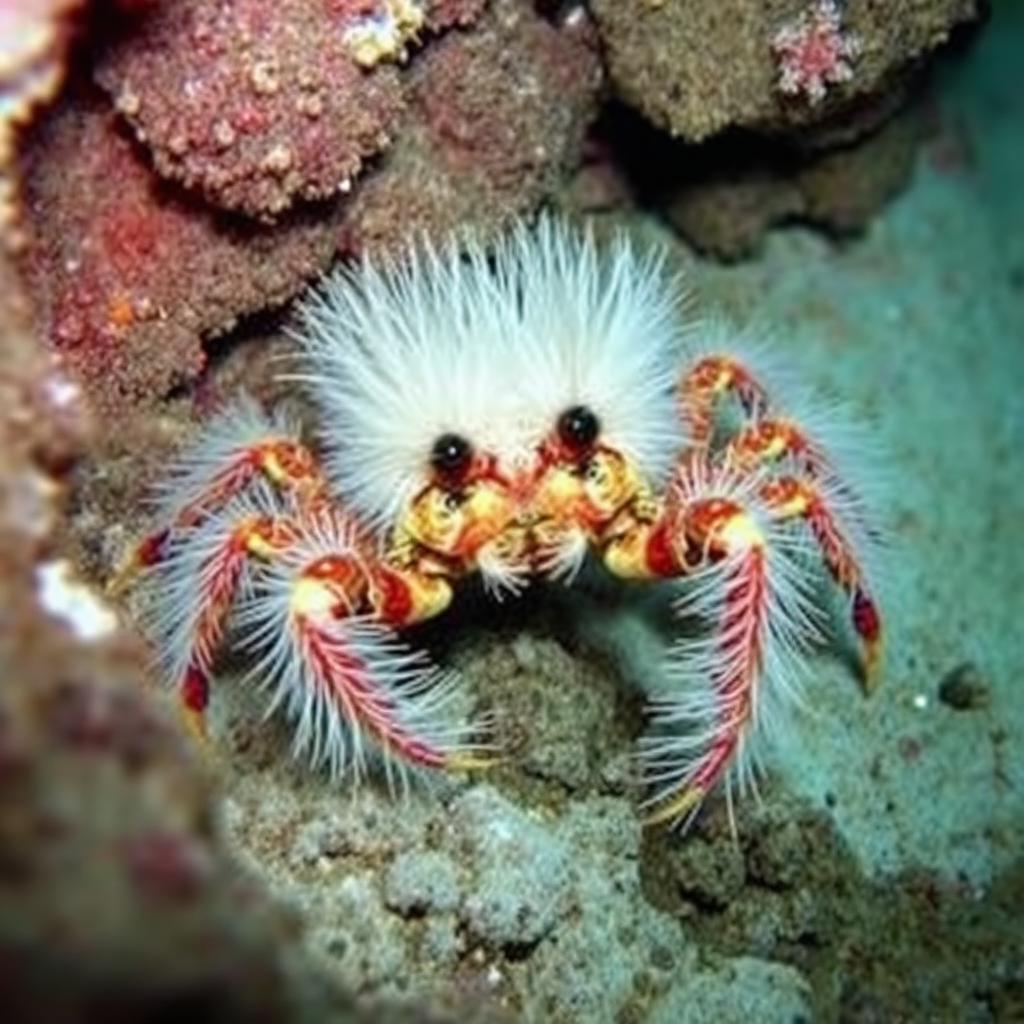
The yeti crab, first described in 2005 as Kiwa hirsuta, is one of the most visually distinctive animals ever discovered near hydrothermal vents. Its most striking feature is a dense covering of long, hair-like bristles known as setae, which give the animal a shaggy appearance. Subsequent expeditions have identified several related species, all sharing the same general body plan and vent-associated lifestyle.
Yeti crabs live in the vicinity of hydrothermal vents and cold seeps in various parts of the world ocean, from the East Pacific to the Southern Ocean. They cluster in dense aggregations close to sources of chemical-rich fluid but not so close that the extreme heat becomes lethal. This narrow habitat band, sometimes only a meter or two wide around a vent, can host hundreds of individuals.
The setae on the crab's claws and legs support dense populations of symbiotic bacteria that use hydrogen sulfide and methane from the vent fluids as energy sources. The crab appears to encourage bacterial growth by waving its claws through the chemical-rich water, effectively fertilizing its own microbial garden. Periodically, the crab uses specialized mouthparts to comb the bacteria off its bristles and eat them.
This form of symbiosis is unusual because the crab is actively farming its food rather than passively hosting nutritional symbionts inside its tissues. In this sense, the yeti crab is one of the very few animals known to practice something resembling agriculture. Whether this behavior evolved from earlier passive symbioses or developed independently in the Kiwa lineage remains an open research question.
Reproduction in yeti crabs is closely tied to the vent environment. Females carry developing eggs on their bodies and, at certain stages, may migrate slightly away from the hottest parts of the vent field to release larvae into cooler waters where they have a better chance of survival. This delicate balance between chemical resource access and thermal tolerance shapes many aspects of yeti crab ecology.
Because vent fields are ephemeral on geological timescales, yeti crabs must be able to locate and colonize new sites when old ones become inactive. Their larvae disperse through the water column and can travel considerable distances, though the exact mechanisms of vent detection remain poorly understood. Chemical cues from vent plumes are the most likely candidates.
The discovery of the yeti crab and its bacterial farming behavior has expanded scientific thinking about how animals can exploit chemosynthetic energy. It also serves as a vivid example of how much remains to be learned even about relatively conspicuous animals in the deep sea. Each new vent field surveyed continues to add species and behaviors to a growing catalog of extreme-environment biology.
Yeti crabs live near hydrothermal vents and cold seeps, cultivating symbiotic bacteria on the dense bristles of their limbs and using them as a primary food source.
Continue reading
 Deep Sea Species Gallery
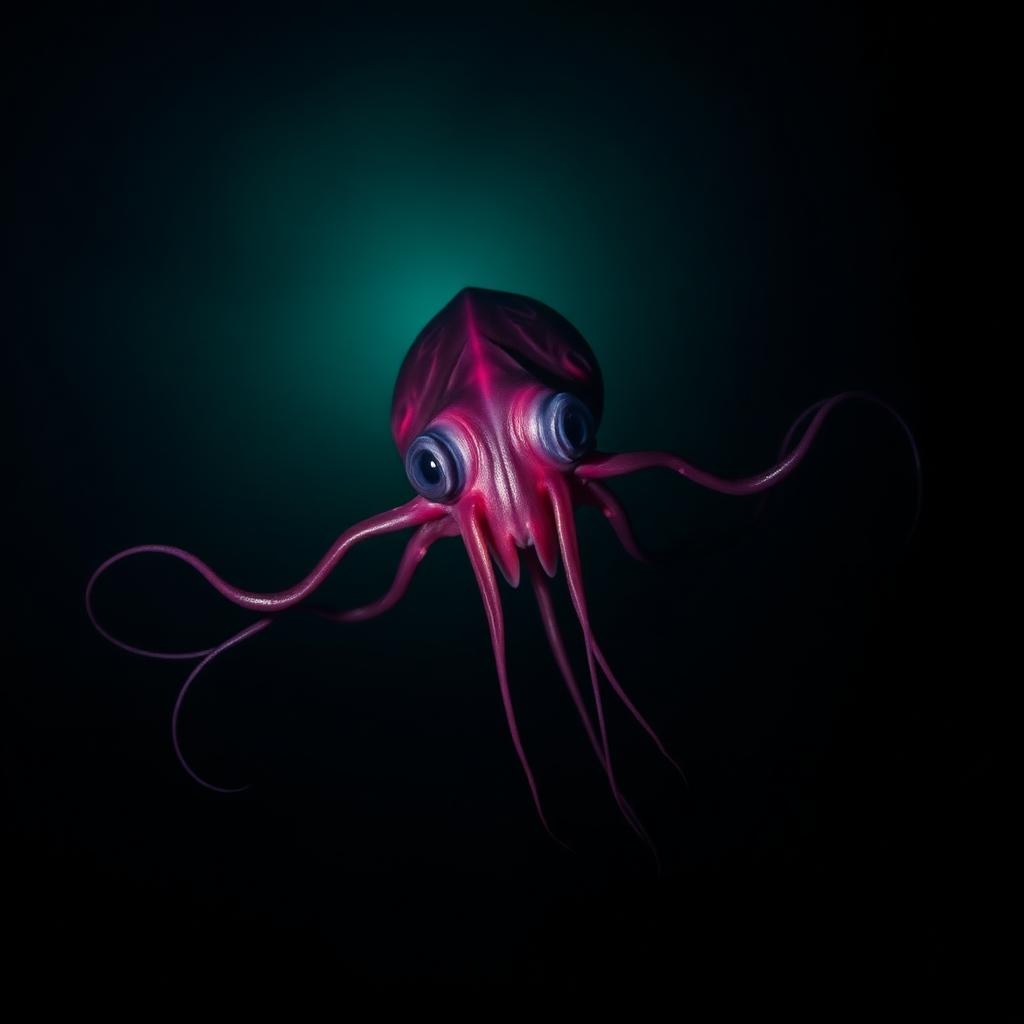
Vampyroteuthis infernalis: The Cephalopod That Is Neither Squid Nor Octopus
A gentle detritivore that has survived nearly unchanged for hundreds of millions of years
 Deep Sea Species Gallery
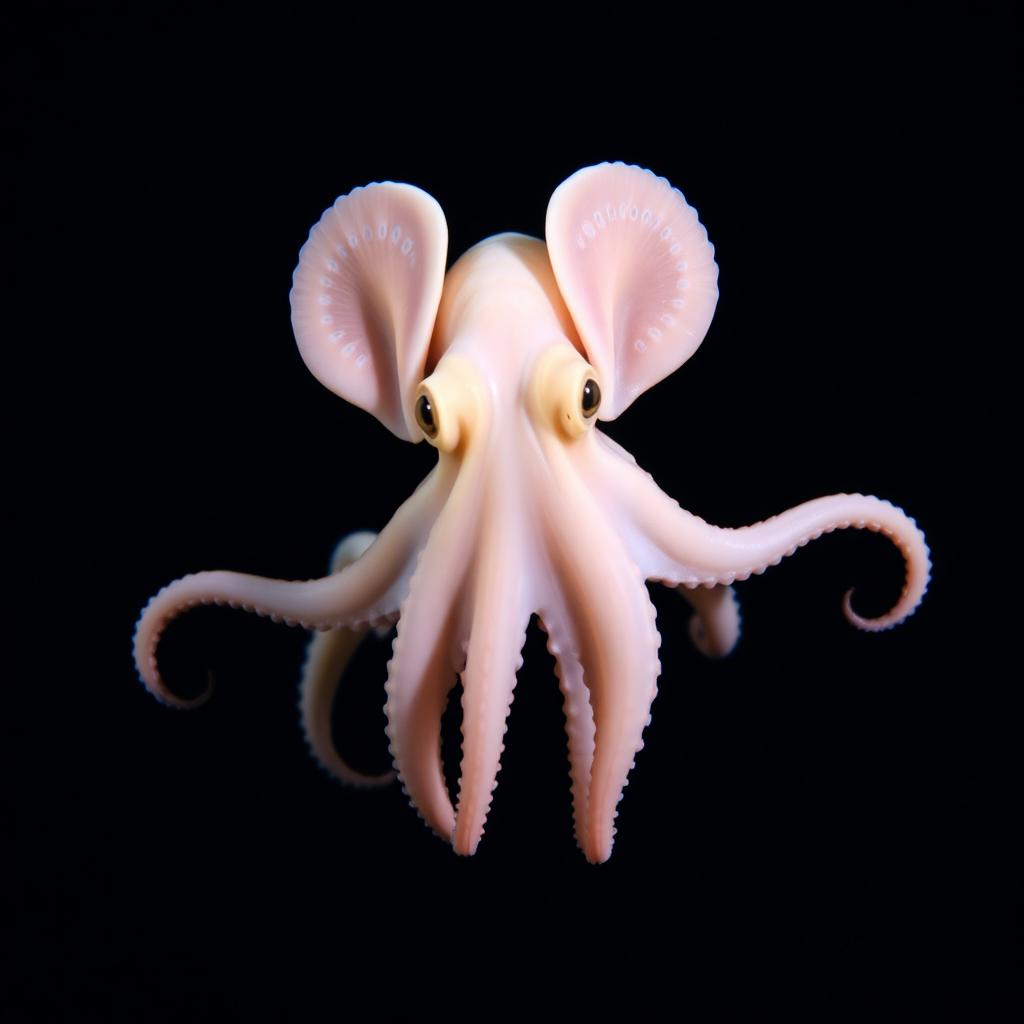
Dumbo Octopus: The Deep's Gentle Wanderer
Grimpoteuthis species that flap through the abyss on ear-like fins
 Deep Sea Species Gallery
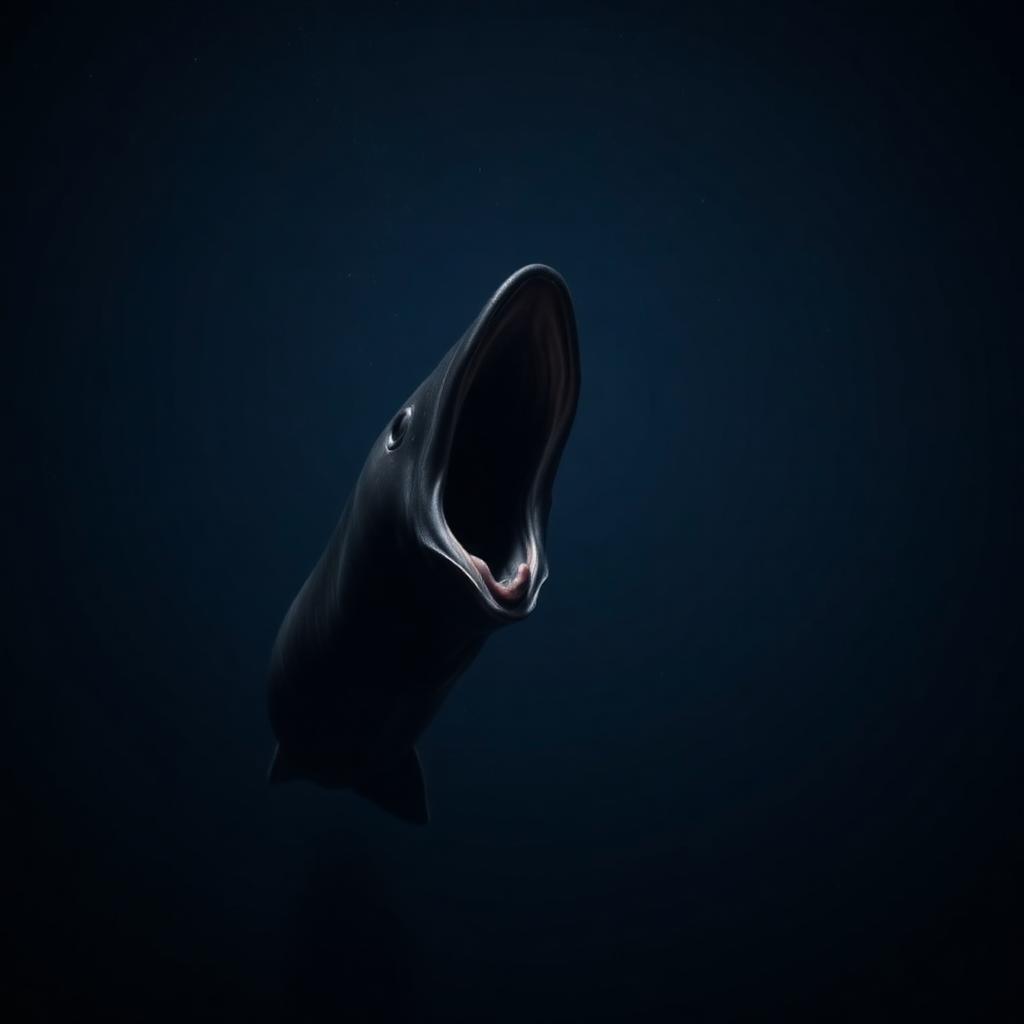
Gulper Eel: A Living Fishing Net
Eurypharynx pelecanoides and the anatomy of extreme swallowing