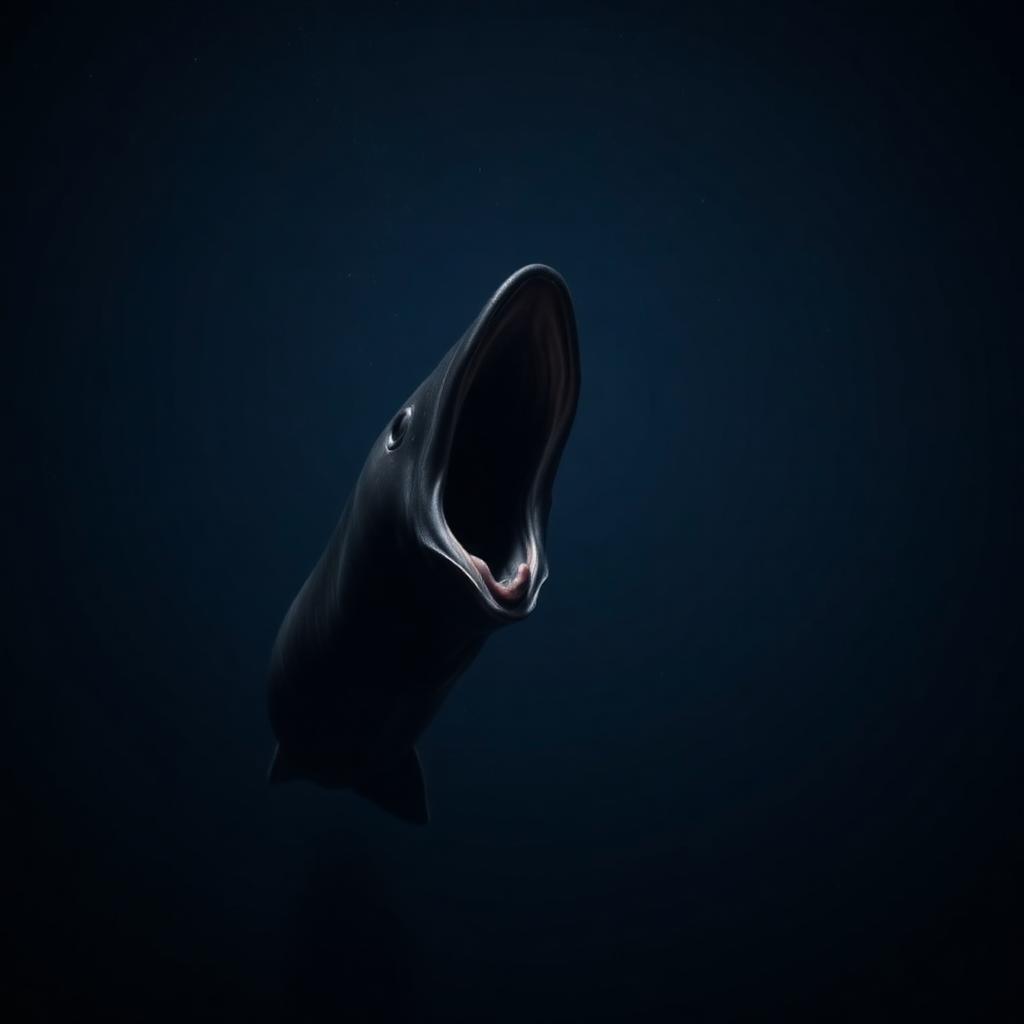
Gulper Eel: A Living Fishing Net
Eurypharynx pelecanoides and the anatomy of extreme swallowing
The gulper eel, Eurypharynx pelecanoides, is one of the most instantly recognizable deep-sea fishes. Its body is elongated and whip-like, but its head appears grossly out of scale, dominated by a huge, hinged mouth that can open to almost pelican-like proportions. The animal grows to about a meter in length in adult form, most of which is a slender tail with a small bioluminescent organ at the tip.
The oversized jaws are the animal's most important tool. Gulper eels feed on small crustaceans, fish, and other prey that occasionally pass close by. When a prey item comes within range, the eel opens its mouth to form a huge basin that can engulf items much larger than the width of its body. Elastic membranes stretch to accommodate large meals, and the low-density tissues throughout the body reduce the metabolic cost of maintaining such disproportionate anatomy.
Because prey is scarce at the mesopelagic and bathypelagic depths where gulper eels live, the animal cannot afford to be selective. It must be able to swallow whatever comes within striking distance. The large gape is essentially an insurance policy against variability in prey size and availability. When only small prey are available, the eel simply closes its mouth partway and captures items on a smaller scale.
Gulper eels rely on a combination of sit-and-wait ambush and slow patrol swimming. Their skeleton is highly reduced, providing enough structure to hold the jaws together but sacrificing rigid musculature that would be needed for fast pursuit. The small bioluminescent tail organ is thought to serve as a lure, drawing curious prey close enough to strike. This makes the animal a kind of living fishing net, with a light on one end and a mouth on the other.
Reproduction in Eurypharynx is poorly understood. Larval forms differ dramatically from adults and were originally classified as separate species. As juveniles mature, the head enlarges and the body elongates until the classic adult shape emerges. Life span estimates are uncertain but are likely on the order of years rather than decades.
Gulper eels are widely distributed in temperate and tropical oceans between roughly five hundred and three thousand meters. They are occasionally captured in deep trawls, but most modern observations come from remotely operated vehicles and baited landers. Video footage sometimes shows the animals inflating their throats in defensive displays, likely a strategy to appear larger and deter would-be predators.
For a general audience, the gulper eel is a compelling example of how a deep-sea body plan can arise from a simple constraint. Food is rare, prey size varies, and metabolic budgets are tight. From those simple facts, natural selection has produced one of the most bizarre-looking fishes in the ocean, an animal that most people would not believe if they had not seen it captured on video.
In galleries of deep-sea life, gulper eels reliably attract attention. They are visually strange, biologically illuminating, and easy to describe in a few clear sentences. That combination makes them ideal ambassadors for the broader message that the deep sea is home to extraordinary forms of life shaped by very ordinary evolutionary pressures.
Gulper eels combine oversized jaws with slender, whip-like bodies. Their strange proportions reflect a life of ambushing small prey in a food-poor environment.
Continue reading
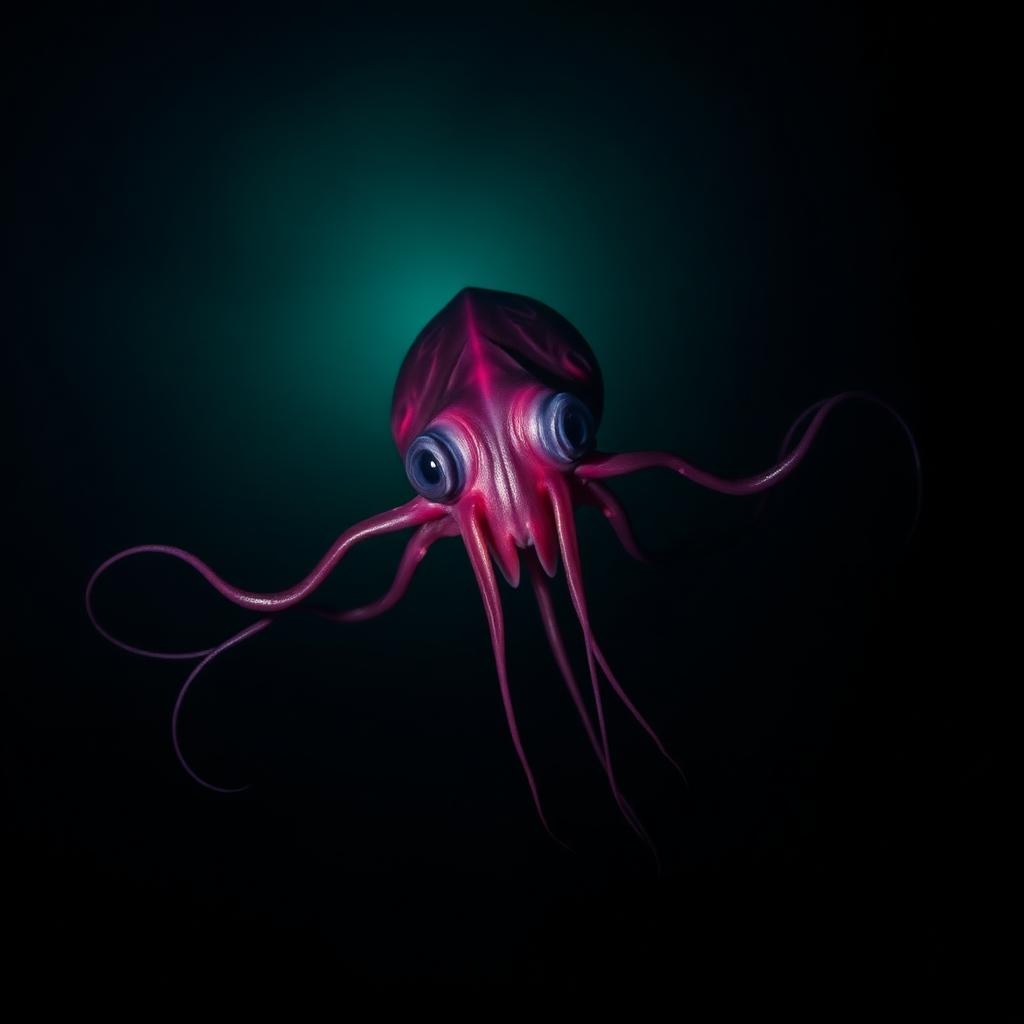 Deep Sea Species Gallery
Vampyroteuthis infernalis: The Cephalopod That Is Neither Squid Nor Octopus
A gentle detritivore that has survived nearly unchanged for hundreds of millions of years
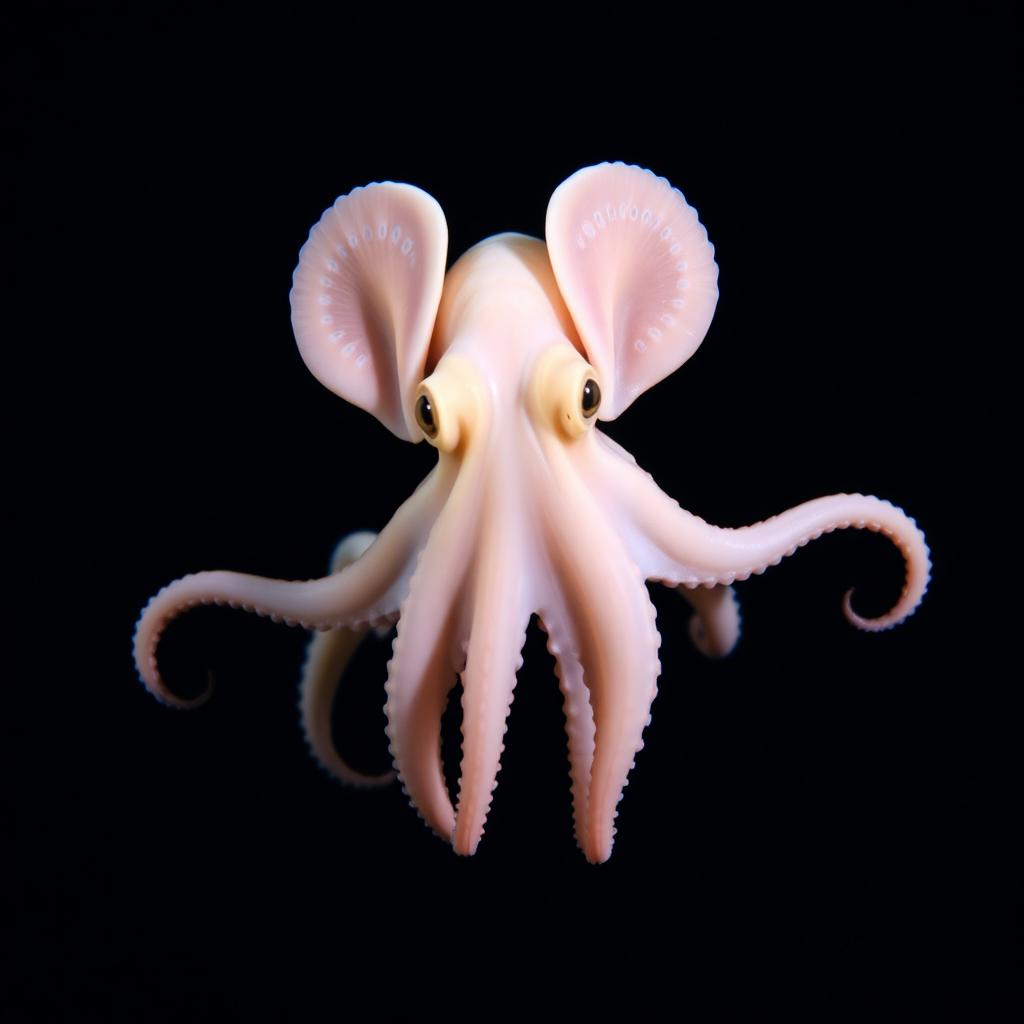 Deep Sea Species Gallery
Dumbo Octopus: The Deep's Gentle Wanderer
Grimpoteuthis species that flap through the abyss on ear-like fins
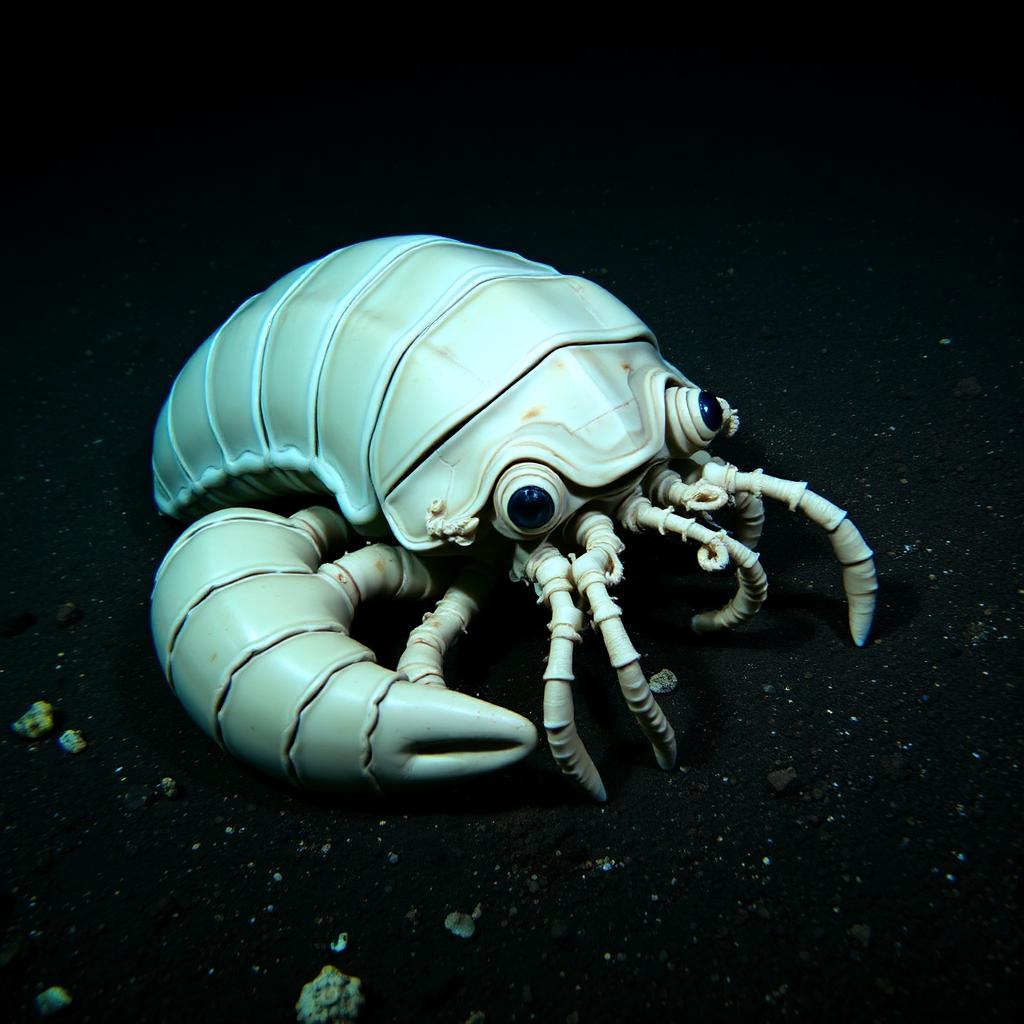 Deep Sea Species Gallery
Giant Isopod: The Deep Sea's Armored Scavenger
Bathynomus species and the biology of deep-sea gigantism