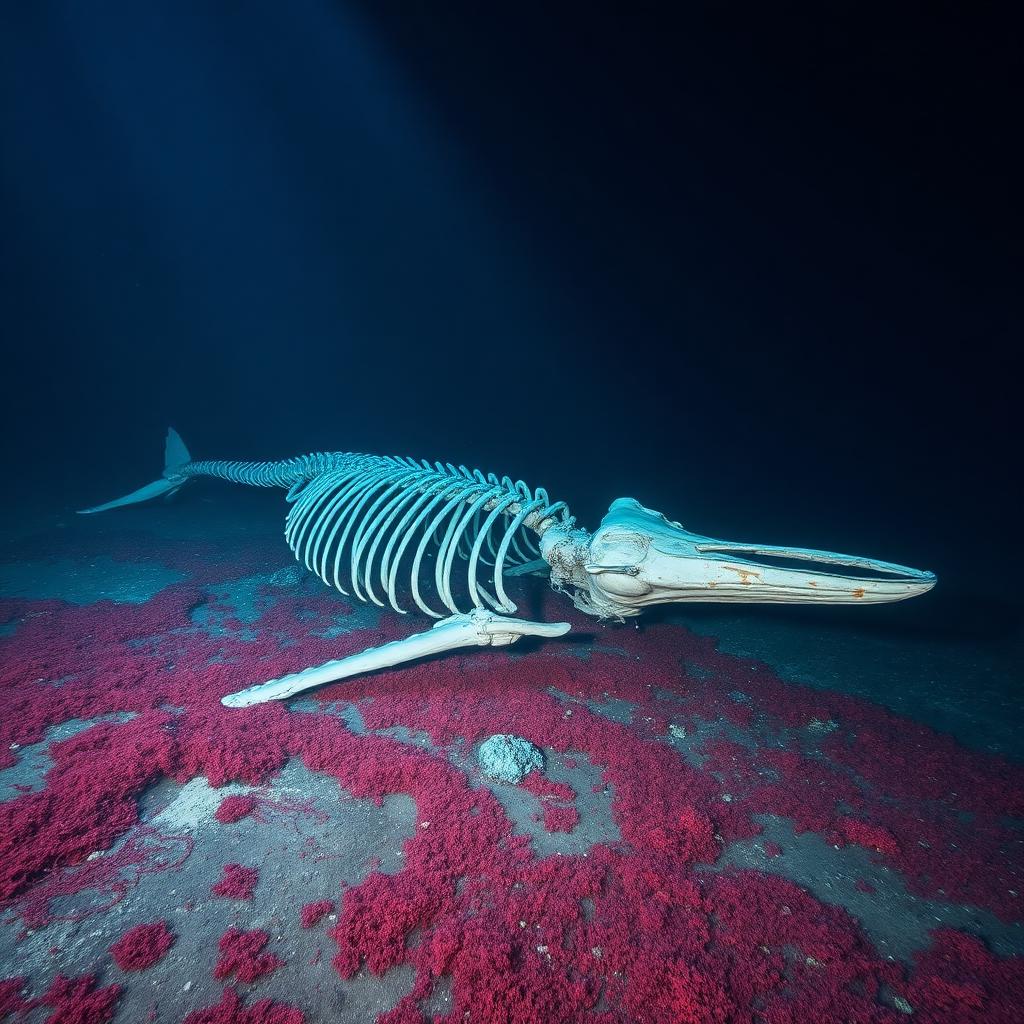
Whale Falls: Islands of Life on the Deep Seafloor
How a single carcass creates decades of ecological succession
When a large whale dies and sinks to the deep seafloor, it delivers an enormous pulse of concentrated food to an environment where such inputs are extremely rare. The resulting ecosystem, known as a whale fall, can support successive communities for years to decades. Whale falls have become important case studies in deep-sea ecology, revealing how the abyss handles episodic bonanzas.
Ecologists typically describe whale fall succession in three overlapping stages. In the mobile scavenger stage, which lasts weeks to months, sharks, hagfish, amphipods, and crabs strip most of the soft tissue from the skeleton. Individual scavengers may consume more food in a few days at a whale fall than they would in years of normal foraging. This stage is often the most dramatic and has been captured in striking submersible video.
In the enrichment opportunist stage, which can last from months to years, communities of polychaete worms, mollusks, and crustaceans colonize the sediments around the carcass, feeding on the organic material that has leached into the surrounding mud. Densities can be extraordinarily high, with thousands of animals per square meter in the immediate vicinity of the skeleton. These communities include both specialists and generalists drawn from the broader deep-sea fauna.
The final stage, the sulfophilic community, can last for decades. As bacteria decompose the whale's fatty bones anaerobically, they produce hydrogen sulfide. This attracts chemosynthetic bacteria and animals that depend on them, including specialized mussels, clams, and the famous bone-eating worms of the genus Osedax. Osedax worms have no digestive tract and rely on internal bacteria to break down bone collagen, essentially dissolving the skeleton over time.
Whale falls thus create habitats that mimic hydrothermal vent and cold-seep communities in miniature. Some of the same or related species appear in all three environments, suggesting that whale falls may serve as stepping stones facilitating dispersal between more permanent chemosynthetic habitats. This idea has been supported by genetic studies showing shared species across widely separated whale falls and vent systems.
Estimating the natural rate of whale falls is difficult but important. Whales are large, long-lived animals, and their carcasses represent a significant flux of organic material to the deep sea in some regions. Historical whaling drastically reduced whale populations, and by extension likely reduced the frequency of whale falls. Recovery of whale populations following commercial whaling bans may be gradually restoring this deep-sea input, though on timescales of centuries.
Scientific study of whale falls has combined natural discovery with experimental deployment. Researchers have towed dead whales to specific sites and monitored them over months and years, providing controlled observations of community succession. These experiments have raised ethical and logistical questions but have produced some of the most detailed ecological data available for deep-sea community assembly.
For a broader audience, whale falls tell a story about how the deep sea handles rare abundance. Most of the time, life at depth is patient and thin. Occasionally, a huge pulse of food arrives, and the surrounding community responds in waves that can last for a human lifetime. It is one of the most vivid illustrations of how ecosystems are shaped as much by rare events as by everyday conditions.
A single whale carcass can support successive communities on the seafloor for decades, illustrating the deep sea's efficiency at using rare, large food inputs.
Continue reading
 Deep Sea Creatures Popular Science
Life in the Midnight Zone: A Field Guide to the Bathypelagic
How animals survive between 1,000 and 4,000 meters of perpetual darkness
 Deep Sea Creatures Popular Science
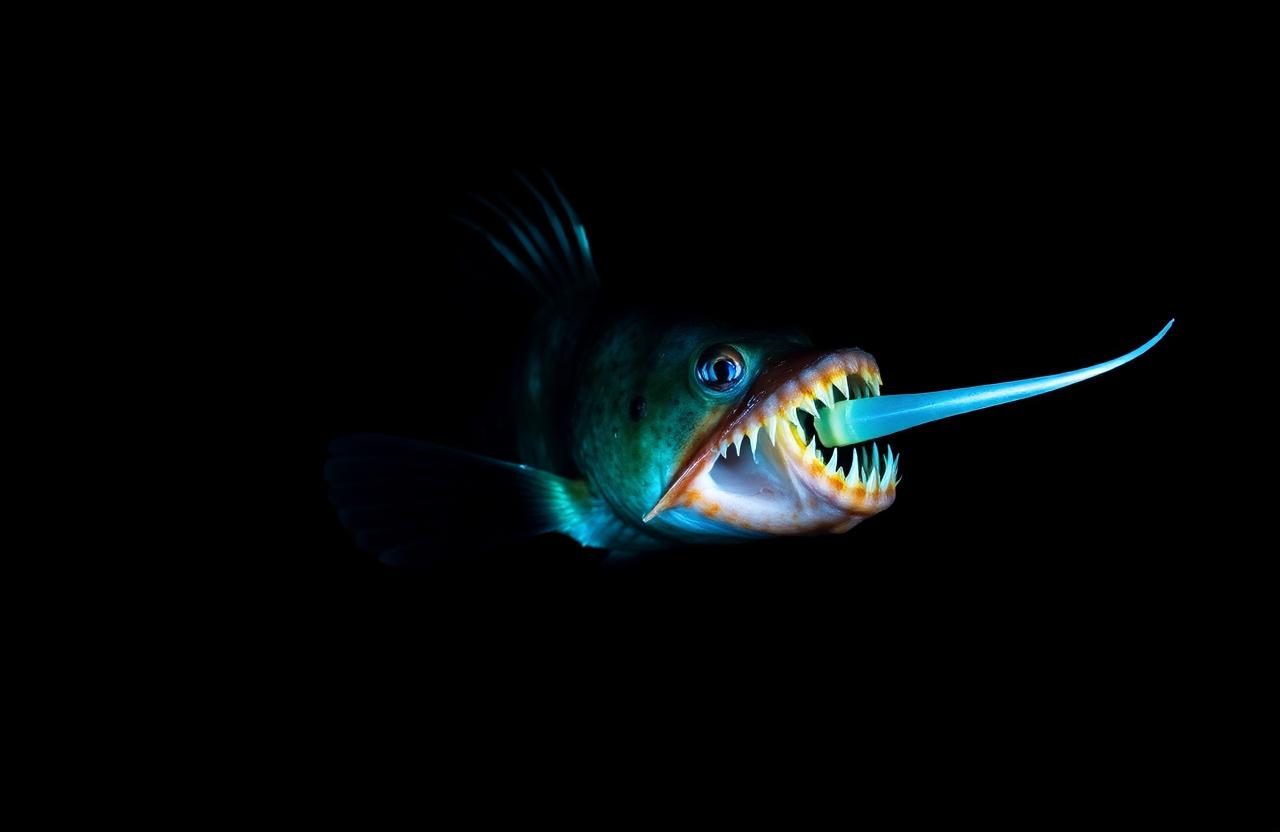
The Anglerfish's Lantern: Anatomy of a Deep-Sea Ambush Predator
How ceratioid anglerfishes evolved bacterial lures, extreme jaws, and parasitic males
 Deep Sea Creatures Popular Science
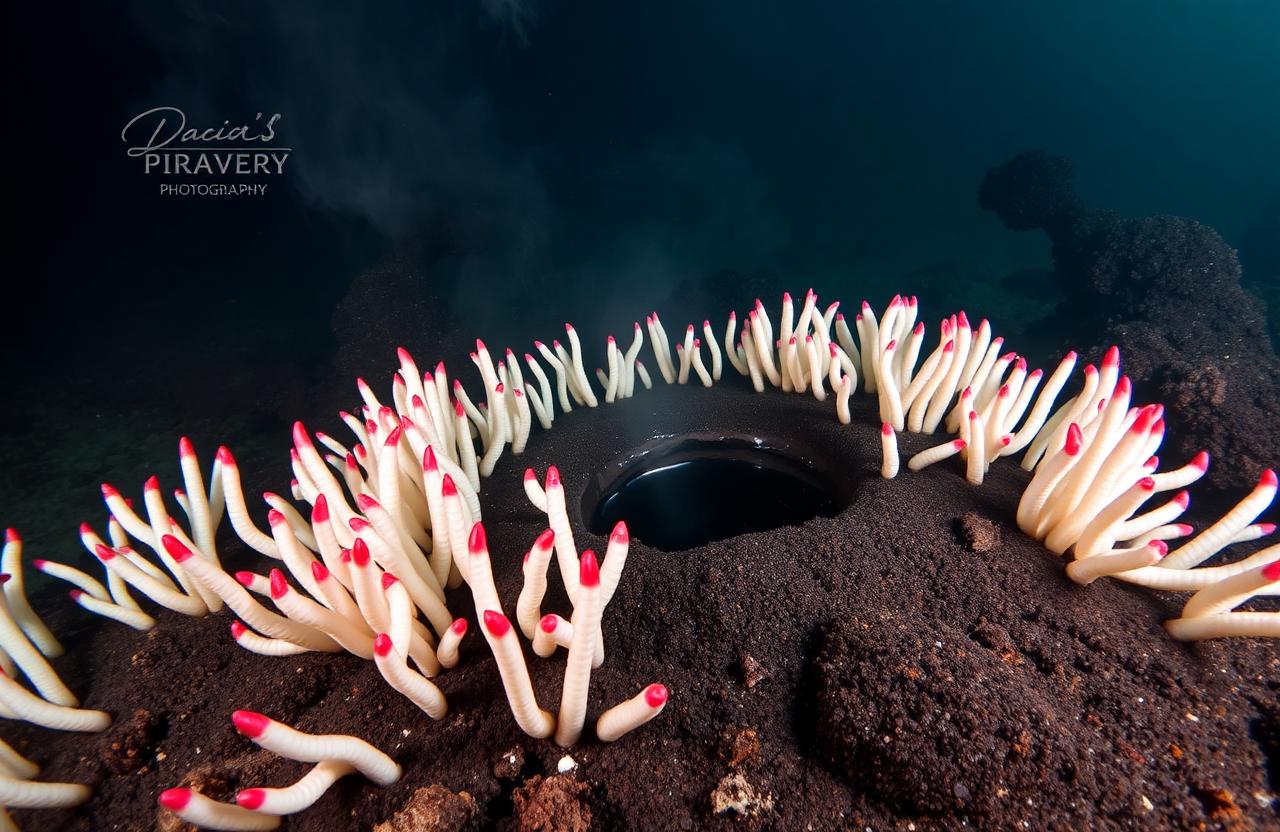
Hydrothermal Vents: Chemosynthesis and the Origins of Life
Superheated fluid, tube worms, and a food web that does not need the sun