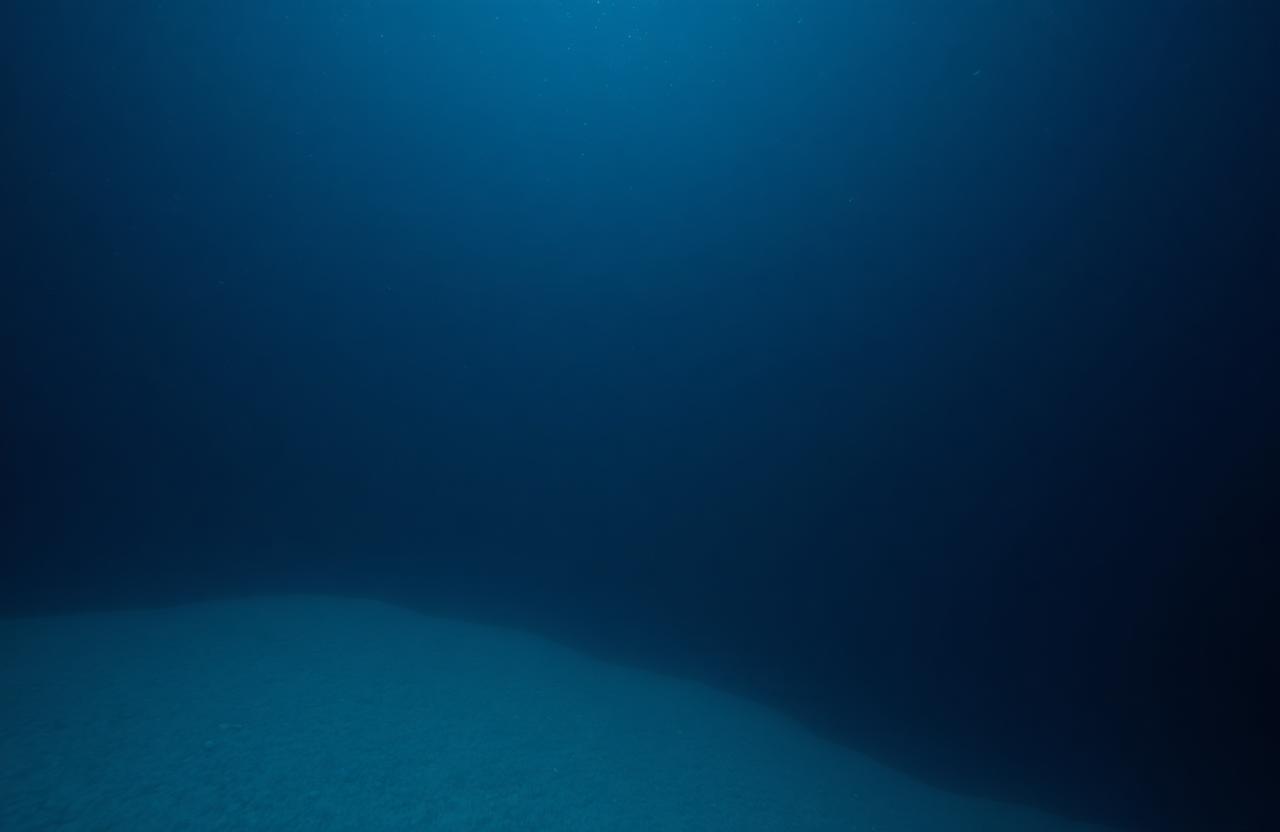
Life in the Midnight Zone: A Field Guide to the Bathypelagic
How animals survive between 1,000 and 4,000 meters of perpetual darkness
The bathypelagic zone, often called the midnight zone, stretches from roughly one thousand meters down to four thousand meters beneath the ocean surface. It is the largest continuous living space on Earth by volume, yet it contains no natural sunlight, almost no seasonal temperature variation, and pressures that would crush most surface vehicles within seconds. Despite these conditions, the midnight zone is not empty. It is populated by fishes, cephalopods, crustaceans, gelatinous zooplankton, and countless microorganisms that have adapted to a world defined by scarcity, cold, and darkness.
The most defining feature of the midnight zone is the absence of photosynthesis. Because sunlight cannot reach these depths, no plants or algae grow. Every animal that lives here depends, directly or indirectly, on organic material drifting down from the sunlit surface. Biologists call this slow rain of dead plankton, fecal pellets, and decaying tissue marine snow. It is the primary food source for filter feeders, scavengers, and the predators that hunt them. In some regions marine snow accounts for less than one percent of the productivity available near the surface, which is why bathypelagic animals tend to be small, slow, and metabolically frugal.
Pressure is the second defining constraint. At three thousand meters, the water column exerts about three hundred atmospheres of force. Gas-filled swim bladders, common in shallow fish, become useless or dangerous at such depths, so most midnight-zone fishes have reduced or lost them entirely. Their bodies rely on watery tissues, flexible cartilage, and specialized membrane lipids that stay fluid under compression. These adaptations make many deep fishes look strange to human eyes: soft, translucent, with oversized jaws and thin, poorly muscled tails built for slow drifting rather than fast pursuit.
Temperature in the midnight zone is remarkably stable, typically hovering between two and four degrees Celsius across most of the world ocean. This uniformity allows species to disperse across vast horizontal distances. A lanternfish found off Japan may share close genetic relatives near the Azores because both populations experience the same physical environment. Uniform cold also slows metabolism, extends lifespans, and reduces the pace of reproduction. Many bathypelagic species take years to reach maturity and produce comparatively few offspring, which makes their populations vulnerable to disturbance.
Bioluminescence is the signature adaptation of the midnight zone. Some estimates suggest that more than seventy-five percent of animals living below one thousand meters produce their own light. Species use bioluminescence for defense, prey attraction, camouflage, and communication. Counterillumination, in which a fish emits soft ventral light that matches the faint downwelling glow from above, lets midwater hunters disappear against the water column. Predators such as dragonfishes and anglerfishes exploit the darkness in the opposite way, generating focused light to lure or startle prey close enough to strike.
The animal community of the midnight zone is dominated by lanternfishes, bristlemouths, hatchetfishes, squids, siphonophores, comb jellies, and copepods. Bristlemouths of the genus Cyclothone are considered the most abundant vertebrates on Earth, with global populations likely in the hundreds of trillions. Siphonophores, colonial cnidarians related to jellyfish, can grow into ribbon-like predators tens of meters long. Gelatinous animals in general dominate midwater biomass because their high water content is metabolically cheap to maintain in an environment where food arrives unpredictably.
Many midnight-zone species participate in the daily vertical migration, the largest coordinated movement of biomass on the planet. Every night, huge populations of small fishes, squids, and crustaceans rise hundreds of meters to feed near the surface, then descend at dawn to avoid visual predators. This migration transports carbon downward, storing it in the deep ocean for centuries. Scientists studying climate change increasingly recognize the biological pump as a critical piece of the global carbon cycle, and the midnight zone is one of its central conveyors.
Human understanding of the bathypelagic remains partial. Trawl surveys, environmental DNA sampling, baited landers, and camera-equipped submersibles each reveal different fractions of the community, and every major expedition adds new species. As deep-sea mining, deep-water fishing, and climate change begin to reach into the midnight zone, careful science becomes urgent. The bathypelagic is not simply a curiosity; it is a vast, slow-moving ecosystem that helps regulate the surface world humans depend on.
A guided tour of the bathypelagic zone, where sunlight fails, pressure crushes, and animals rewrite the rules of biology.
Continue reading
 Deep Sea Creatures Popular Science
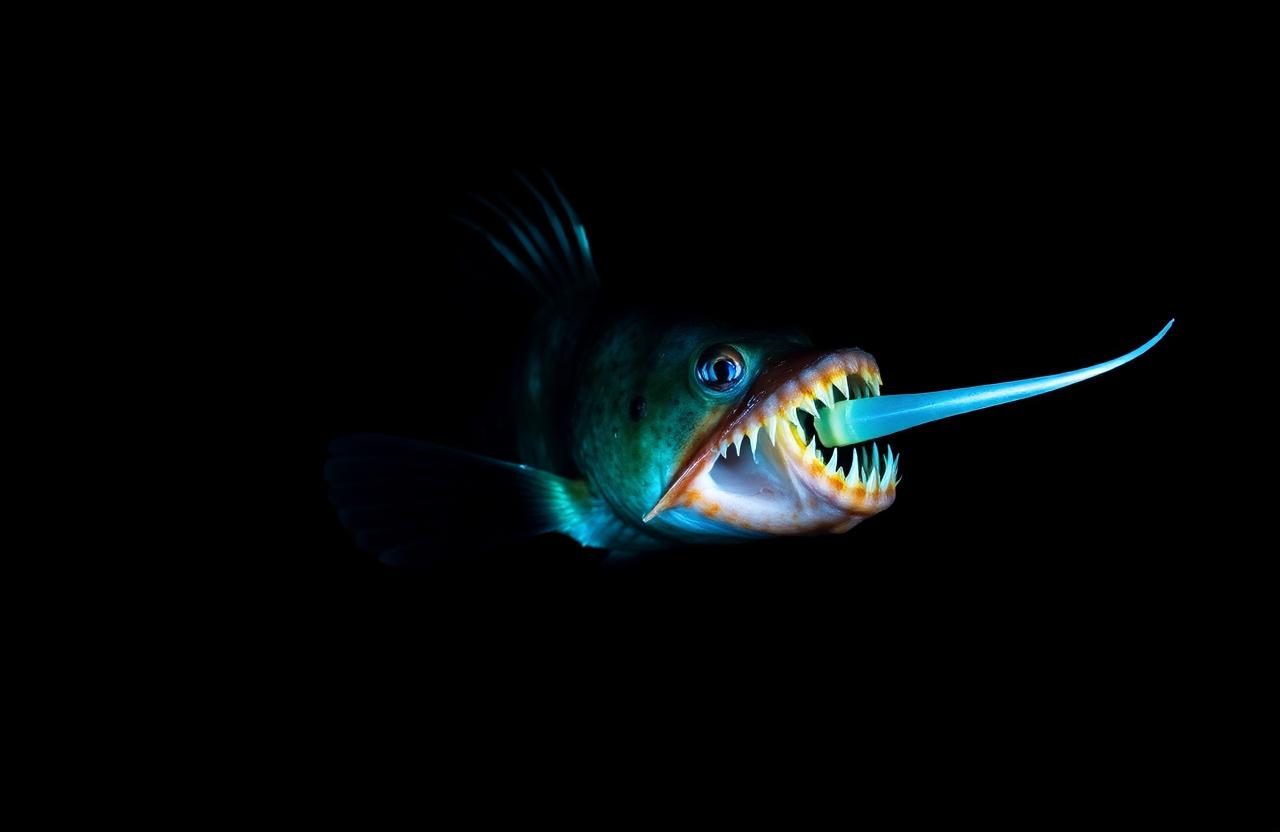
The Anglerfish's Lantern: Anatomy of a Deep-Sea Ambush Predator
How ceratioid anglerfishes evolved bacterial lures, extreme jaws, and parasitic males
 Deep Sea Creatures Popular Science
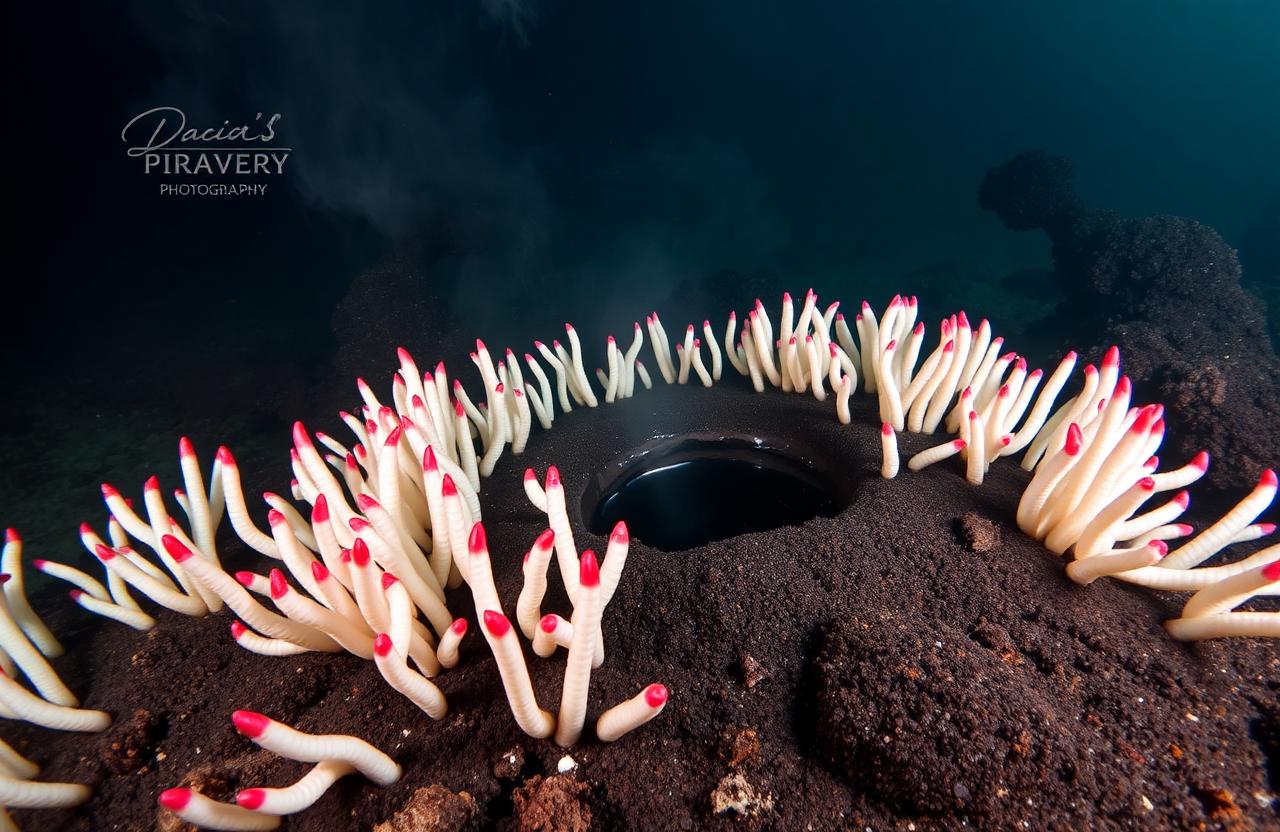
Hydrothermal Vents: Chemosynthesis and the Origins of Life
Superheated fluid, tube worms, and a food web that does not need the sun
 Deep Sea Creatures Popular Science
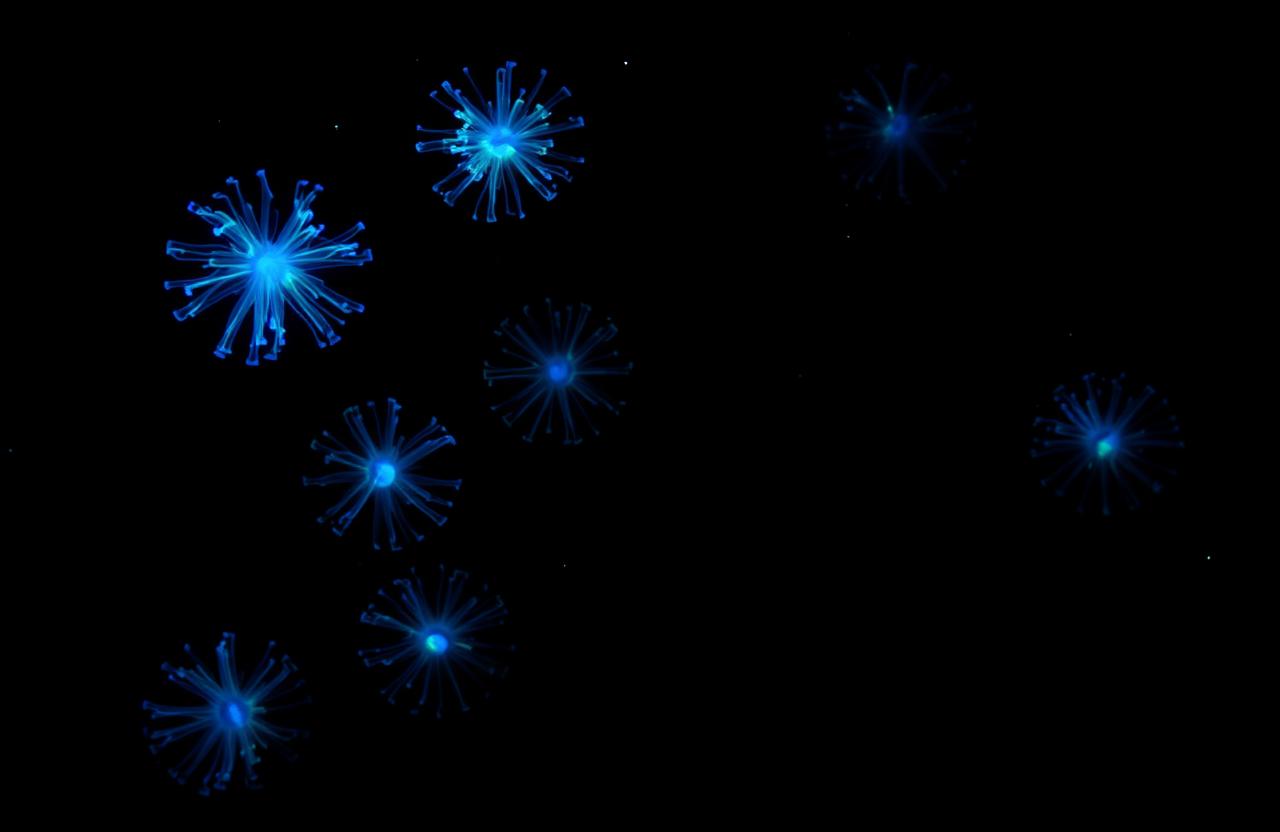
Bioluminescent Signaling: The Grammar of Deep-Sea Light
How pulses, patterns, and colors carry information in the dark ocean