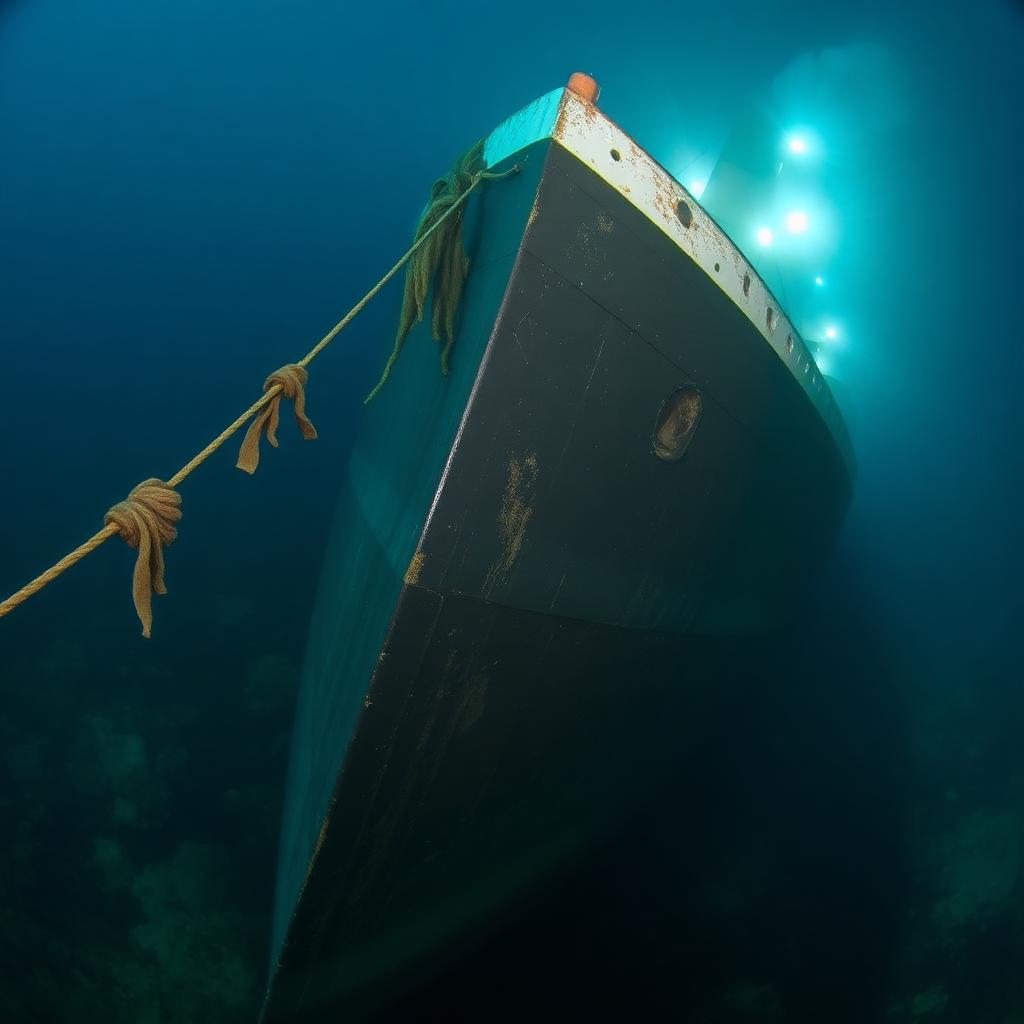
From Titanic to Trenches: How a Wreck Reshaped Deep-Sea Exploration
The technologies developed to find one ship transformed an entire field
In September 1985, a joint French-American expedition led by Jean-Louis Michel and Robert Ballard located the wreck of the RMS Titanic at a depth of about three thousand eight hundred meters in the North Atlantic. The discovery ended a decades-long search and captured global attention. It also marked a turning point in deep-sea exploration technology, demonstrating capabilities that would become standard tools for scientific research in the years that followed.
The discovery relied on Argo, a towed camera sled developed at Woods Hole Oceanographic Institution. Argo could survey large areas of seafloor at relatively low cost, transmitting real-time video to a surface ship. Rather than searching for the wreck directly, the team searched for its debris field, which extended over a much larger area than the ship itself. This methodological insight, combined with reliable long-duration seafloor imaging, made previously impossible searches feasible.
Follow-up expeditions used Alvin, the American crewed submersible, and Jason Junior, a small tethered vehicle deployed from Alvin. These platforms allowed detailed inspection of the wreck and its surrounding environment. Techniques developed for Titanic work, including precise navigation across large seafloor areas and coordinated use of multiple vehicles, transferred directly to scientific applications ranging from hydrothermal vent mapping to seafloor geological surveys.
The Titanic wreck itself became a subject of ongoing scientific study. Microbiologists documented rust-eating bacteria on the hull, corrosion engineers estimated deterioration rates, and marine biologists cataloged the fauna that had colonized the wreck. The site became one of the most extensively studied deep-sea features in the North Atlantic, generating data on everything from shipwreck ecology to material science under deep-ocean conditions.
Public interest in the Titanic wreck also transformed how deep-sea exploration was funded and communicated. Documentary films, museum exhibits, and popular books brought the deep sea into mainstream culture in ways that pure scientific expeditions rarely achieved. This visibility helped sustain support for deep-sea research funding and inspired new generations of scientists, engineers, and public communicators.
Recent years have seen renewed attention to the wreck, including detailed photogrammetric surveys that have produced full three-dimensional models of the debris field. These models allow researchers to monitor deterioration over time and provide the public with unprecedented access to the site without physical visits. They also serve as tests for methods that will be applied to other deep-sea sites, from ecological surveys to archaeological studies of ancient shipwrecks.
Tourism to the wreck has been controversial. Several companies have offered paying-passenger dives to the site, and a 2023 accident involving one such vehicle resulted in the loss of all aboard. The tragedy prompted renewed discussion of safety standards for crewed deep-sea vehicles and contributed to the development of stricter certification requirements. It also raised broader questions about the ethics of tourism at sites that are simultaneously gravesites and scientific resources.
The Titanic story illustrates how a specific mission can catalyze broader change. Technologies developed for one purpose became standard tools for entirely different applications. Public engagement with a single site fostered support for a much wider field. And practical lessons about safety, ethics, and long-term stewardship continue to inform how the deep-sea community approaches every new expedition, from wreck surveys to abyssal plain exploration.
The search for and study of the Titanic wreck drove technological advances that continue to benefit deep-sea science today.
Continue reading
 Deep Sea Exploration Journal
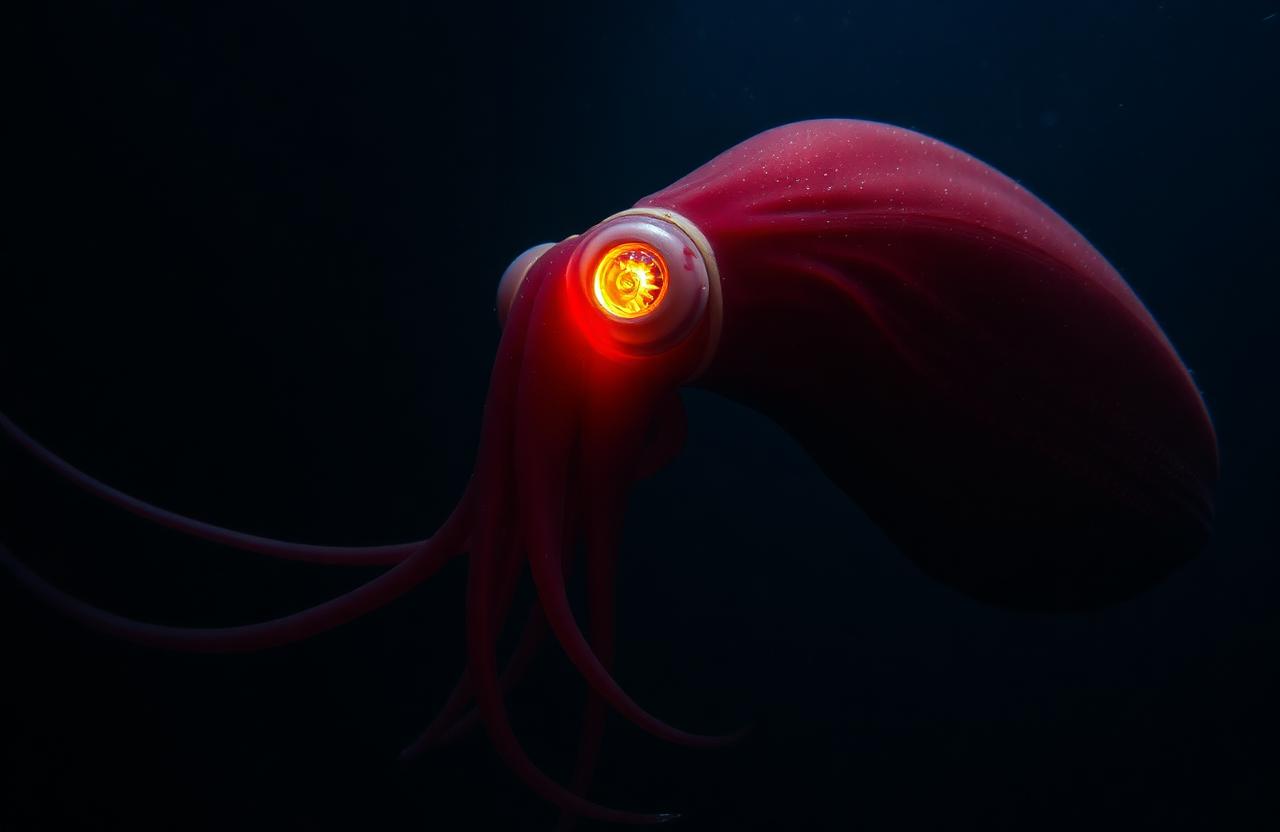
First Video of the Giant Squid: How a Cryptic Cephalopod Was Finally Filmed
The decade-long effort that put a live Architeuthis on camera in its own habitat
 Deep Sea Exploration Journal
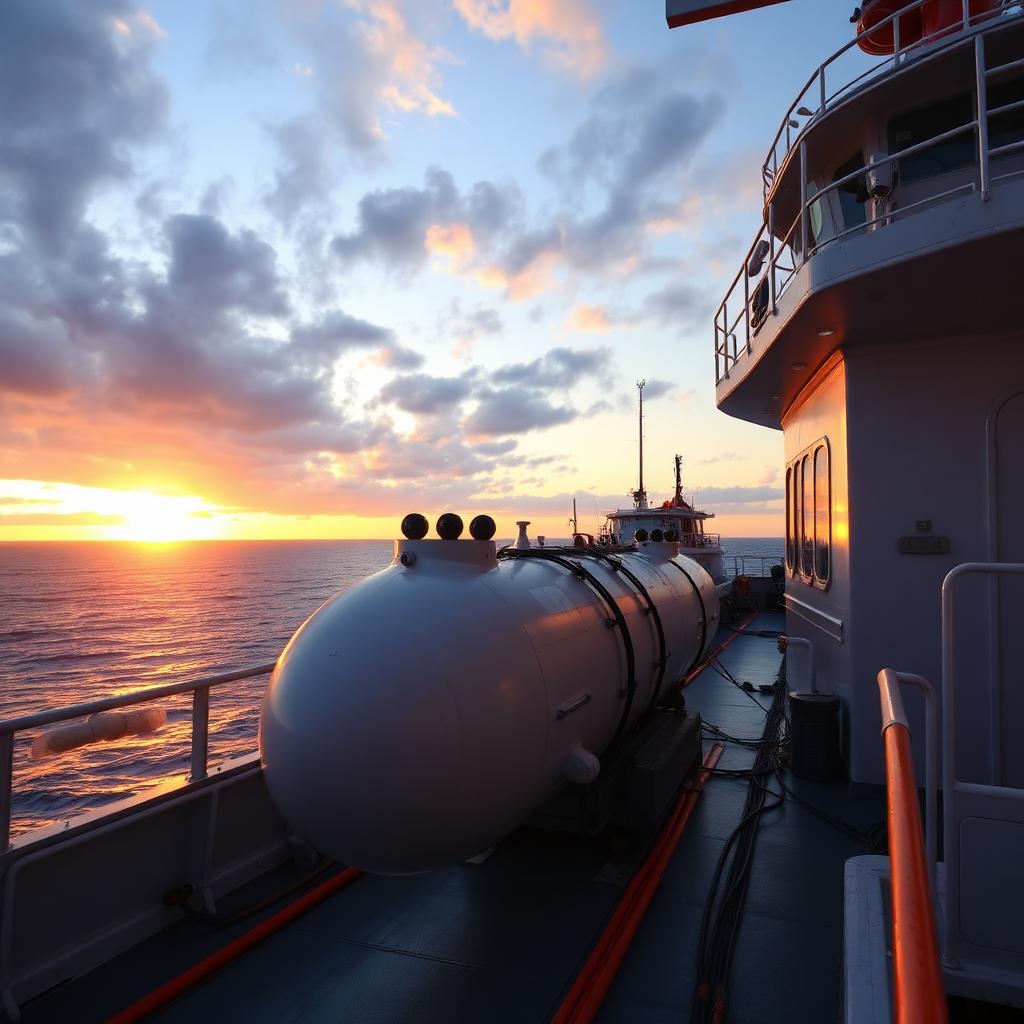
Thirty Years of Shinkai 6500: A Working Submersible's Scientific Legacy
How Japan's flagship crewed vehicle has shaped deep-sea research since 1990
 Deep Sea Exploration Journal
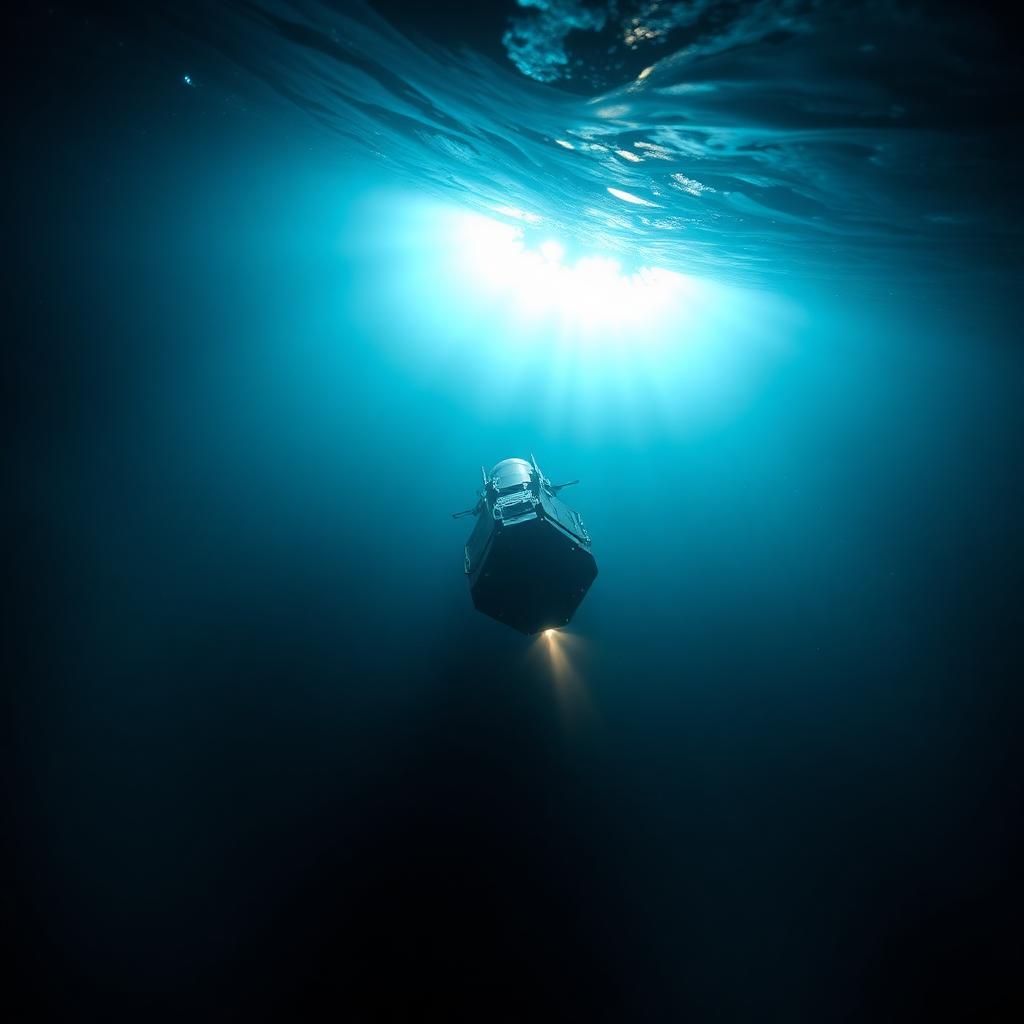
Solo to the Bottom: Individual Descents into the Mariana Trench
How a new generation of purpose-built submersibles reaches Challenger Deep repeatedly