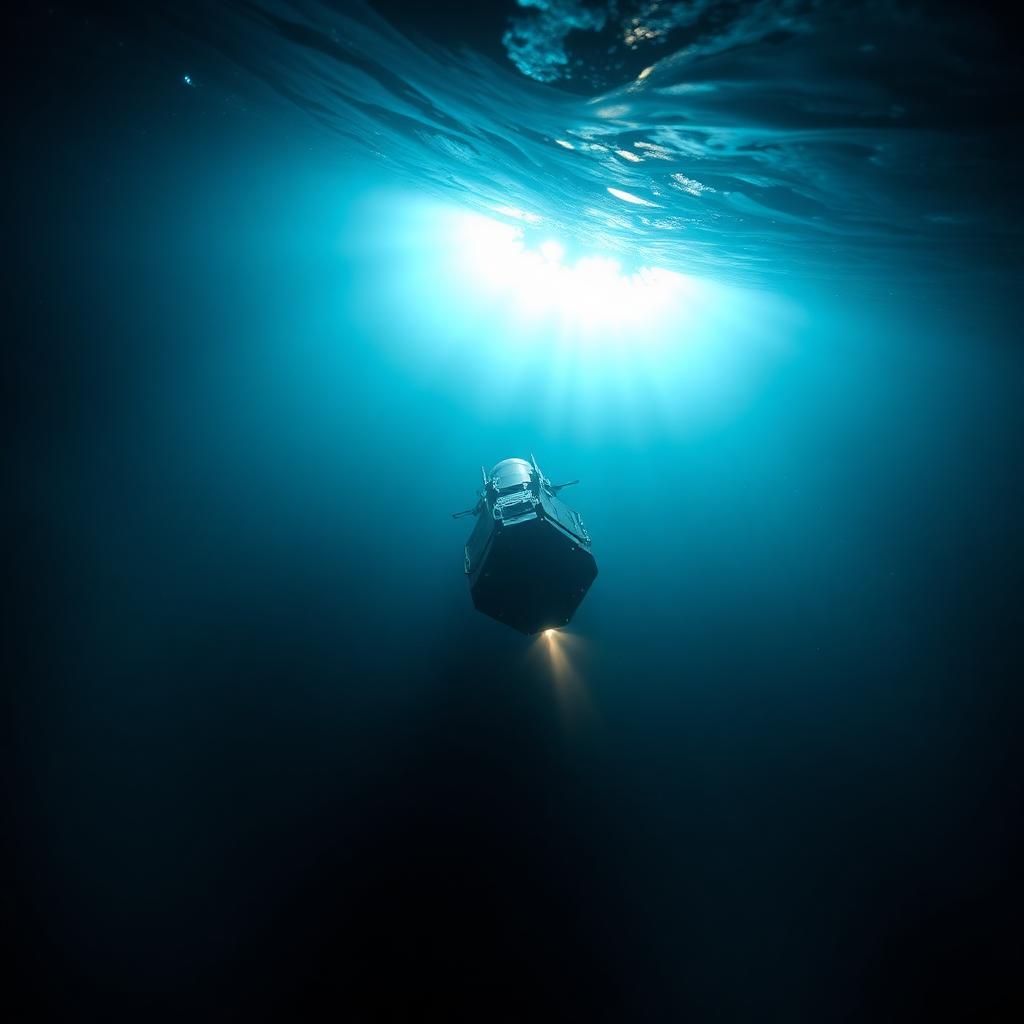
Solo to the Bottom: Individual Descents into the Mariana Trench
How a new generation of purpose-built submersibles reaches Challenger Deep repeatedly
For most of the twentieth century, the deepest known point on the seafloor, Challenger Deep in the Mariana Trench, had been visited only once by humans. The 1960 dive of the bathyscaphe Trieste, carrying Jacques Piccard and Don Walsh, marked the first and for decades the only crewed descent to nearly eleven thousand meters. It was an extraordinary feat, but the vehicle was not designed for repeat trips or detailed scientific work.
In 2012, filmmaker James Cameron completed a solo dive to Challenger Deep in the Deepsea Challenger, a purpose-built vehicle that spent only a few hours on the seafloor. The dive returned some scientific data, but the submersible was retired shortly afterward. Sustained access to the deepest ocean remained elusive until a new generation of vehicles emerged toward the end of the decade.
The Limiting Factor, a two-person submersible built by Triton Submarines for explorer Victor Vescovo, changed the picture. The vehicle was certified for repeated dives to full ocean depth and was used in a series of missions between 2019 and 2022 that reached the deepest points of all five ocean basins. Challenger Deep alone was visited more than a dozen times, with scientists from multiple institutions joining the descents.
These missions transformed Challenger Deep from a single-visit landmark into a working field site. Scientists collected sediment cores, deployed instruments, and recorded high-resolution video of the trench floor. New species of amphipods and snailfishes were documented, and the physical features of the trench were mapped in unprecedented detail. Chinese and Japanese research programs have also completed crewed dives to full ocean depth, adding independent data.
The technical achievements underlying repeated dives are substantial. The pressure hull must withstand more than a thousand atmospheres while remaining light enough to surface reliably. Battery systems must supply enough power for multiple hours at depth. Communication with the surface, life support, and emergency systems all require robust engineering. Every component is a compromise between capability, weight, and cost.
Beyond the engineering, the missions have raised interesting questions about the role of crewed exploration in modern deep-sea science. Many observations can be made equally well by autonomous vehicles or ROVs, at lower cost and without risk to human life. However, direct human presence remains valuable for tasks that require flexible judgment, for public engagement, and for detailed observation of unexpected phenomena.
Environmental findings from these dives have been sobering. Even at the deepest points on Earth, researchers have documented plastic debris, industrial contaminants in the tissues of deep-sea amphipods, and other signs of human influence. The idea that the deep sea is somehow separate from the surface world is no longer defensible. What happens at the ocean surface eventually reaches the trench floor.
For the deep-sea community, the recent Mariana dives are best understood as the beginning of routine access rather than as one-off spectacles. If sustained, this new era of repeated crewed and uncrewed visits could provide the long-term data needed to understand how the deepest ocean is changing and how it fits into the broader planetary system.
Recent expeditions have made repeated crewed descents to the deepest known points on the seafloor, transforming Challenger Deep from a single-visit landmark into a regular field site.
Continue reading
 Deep Sea Exploration Journal
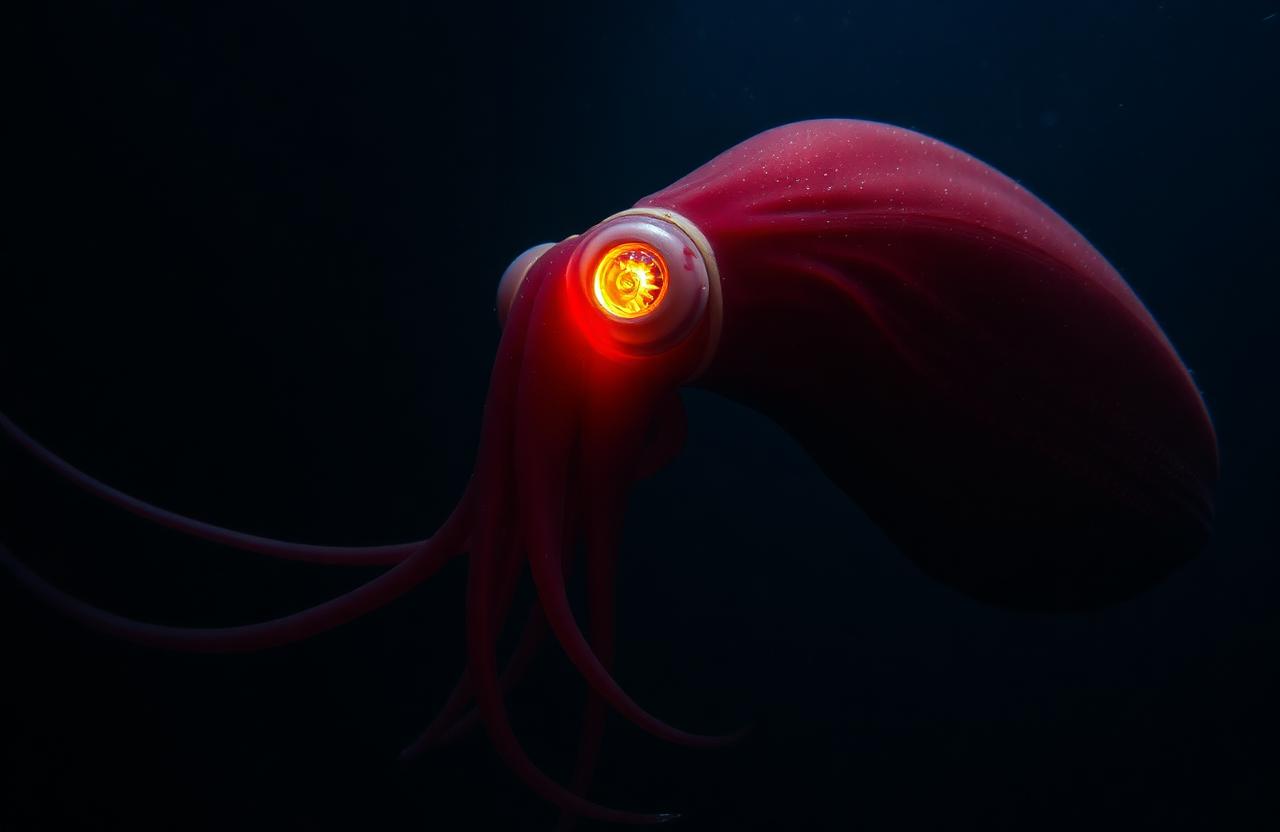
First Video of the Giant Squid: How a Cryptic Cephalopod Was Finally Filmed
The decade-long effort that put a live Architeuthis on camera in its own habitat
 Deep Sea Exploration Journal
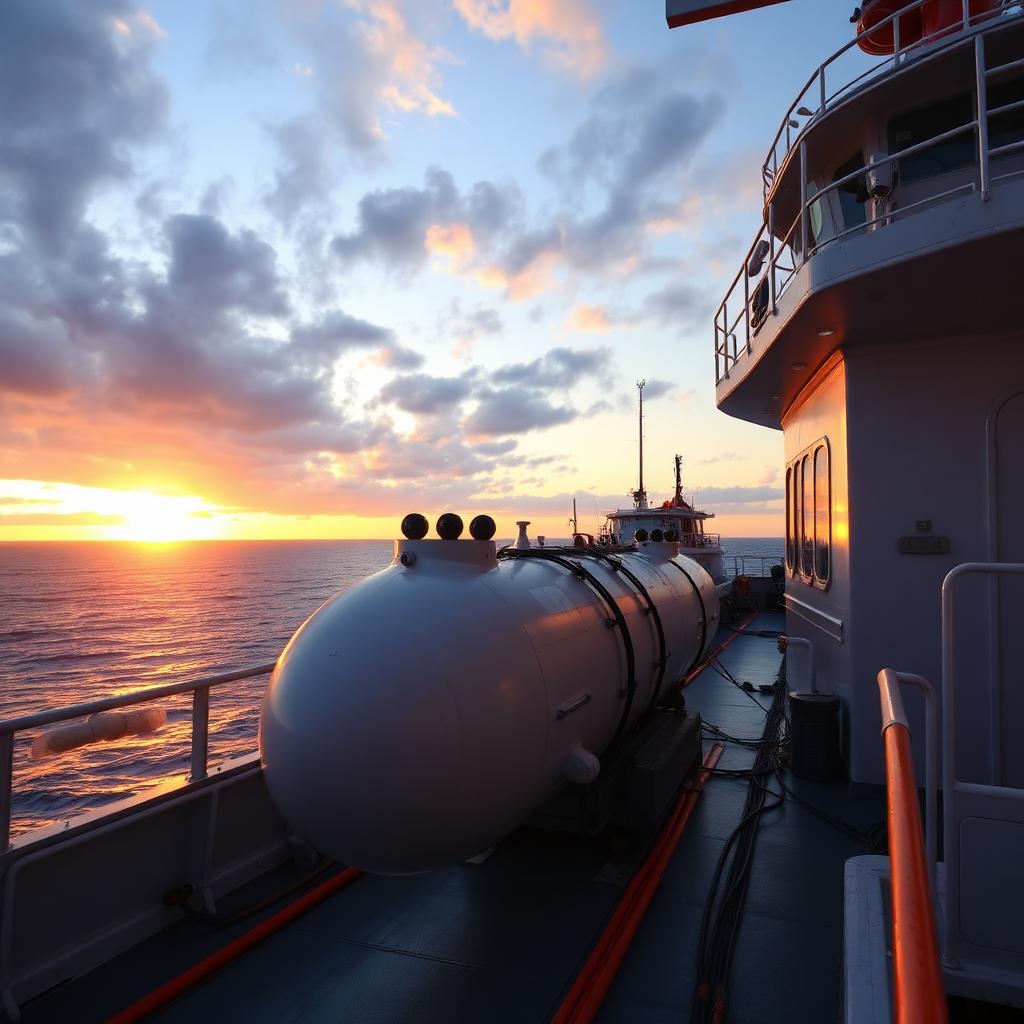
Thirty Years of Shinkai 6500: A Working Submersible's Scientific Legacy
How Japan's flagship crewed vehicle has shaped deep-sea research since 1990
 Deep Sea Exploration Journal
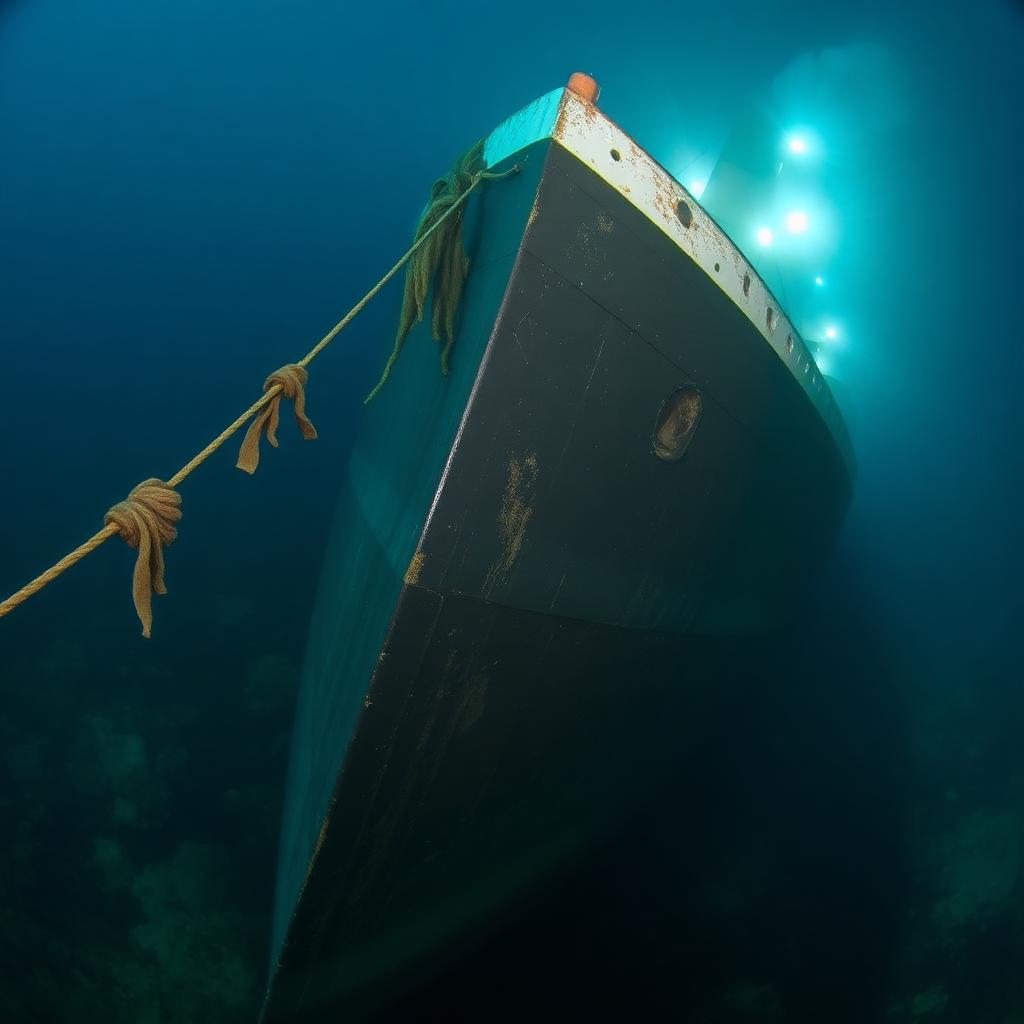
From Titanic to Trenches: How a Wreck Reshaped Deep-Sea Exploration
The technologies developed to find one ship transformed an entire field