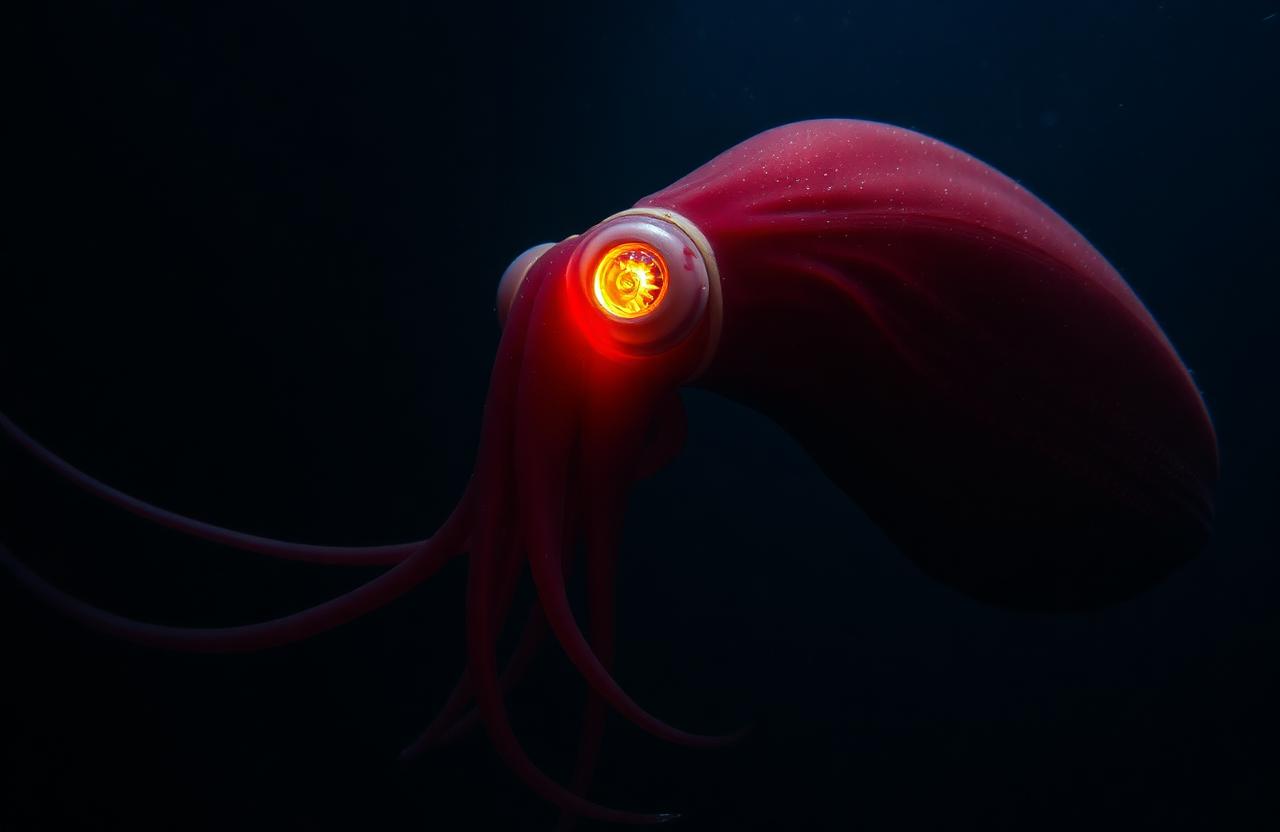
First Video of the Giant Squid: How a Cryptic Cephalopod Was Finally Filmed
The decade-long effort that put a live Architeuthis on camera in its own habitat
Few animals have been more mythologized than Architeuthis dux, the giant squid. Old sailors described tentacled beasts capable of dragging entire ships beneath the waves. Nineteenth-century naturalists dissected stranded specimens and reconstructed a real animal from the fragments: an enormous cephalopod with eyes the size of dinner plates, a beak strong enough to shear steel cable, and arms lined with saucer-sized suckers. Yet no scientist had ever seen a living giant squid in its natural habitat until a small team of researchers succeeded in filming one at depth in 2012.
The breakthrough came from a combination of biological insight and engineering restraint. Traditional deep-sea submersibles use bright white lights that flood the water and often frighten large, sensitive predators. Marine biologist Edith Widder proposed a different approach. She built a camera platform called Medusa that used only far-red light, which most deep-sea animals cannot see. Instead of bait, Medusa carried an electronic lure that mimicked the bioluminescent burglar-alarm display of an atolla jellyfish. The idea was that a large predator hearing this signal would come to investigate a possible meal nearby.
In July 2012, a team working aboard the research vessel Alucia deployed Medusa in the waters off Chichijima, Japan. On the platform's fifth drop, at a depth of around six hundred meters, an eight-meter giant squid rose out of the darkness and attacked the lure. The animal was calm, deliberate, and completely unaware of the camera watching it. It circled the equipment, extended its long feeding tentacles, and eventually released the lure and drifted away. The footage, only a few seconds long, was the first ever recorded of a live giant squid in the wild.
That single sequence rewrote assumptions about the species. Rather than a sluggish scavenger, the animal in the video moved with precision and confidence, using its arms as a coordinated hunting apparatus. The dark red coloration matched anatomical predictions but had never been observed in a living specimen. Estimated body size confirmed that adults commonly exceed ten meters when their feeding tentacles are included, placing the giant squid among the largest invertebrates on Earth.
The success of Medusa transformed how researchers observe large deep-sea animals. Follow-up expeditions in the Gulf of Mexico and off the coast of New Zealand recorded additional Architeuthis encounters, along with sightings of other rarely seen midwater predators. Scientists now understand that the giant squid is a widespread and probably common species between roughly three hundred and one thousand meters, living solitary lives punctuated by brief encounters with mates and prey.
Beyond the immediate biology, the giant squid project changed how the public imagines deep-sea research. It showed that patient observation with quiet, low-impact technology could outperform brute-force lighting and dredging. It also demonstrated that even at a time when satellites map every square kilometer of the surface world, entirely new footage of large animals remains possible for those willing to design tools around the animals themselves.
The giant squid still hides most of its life from human view. No one has yet observed mating, egg laying, or juvenile development in the wild. Estimates of population size are extremely uncertain. Its main predator, the sperm whale, sometimes surfaces with sucker scars and beak fragments as the only reliable evidence of underwater encounters. Yet the wall separating myth from science has been crossed, and each new expedition chips away a little more.
The story of Architeuthis is a reminder that the ocean rewards patience. Careful design, respect for the animal, and repeated fieldwork accomplished what centuries of harpoons, nets, and searchlights had failed to deliver. As new autonomous vehicles and non-invasive imaging systems come online, other legendary species may soon follow the giant squid out of the shadows and onto the record.
For centuries the giant squid existed only in legend and dead specimens. A patient team of biologists and engineers changed that with a jellyfish-shaped lure and a red-light camera.
Continue reading
 Deep Sea Exploration Journal
Thirty Years of Shinkai 6500: A Working Submersible's Scientific Legacy
How Japan's flagship crewed vehicle has shaped deep-sea research since 1990
 Deep Sea Exploration Journal
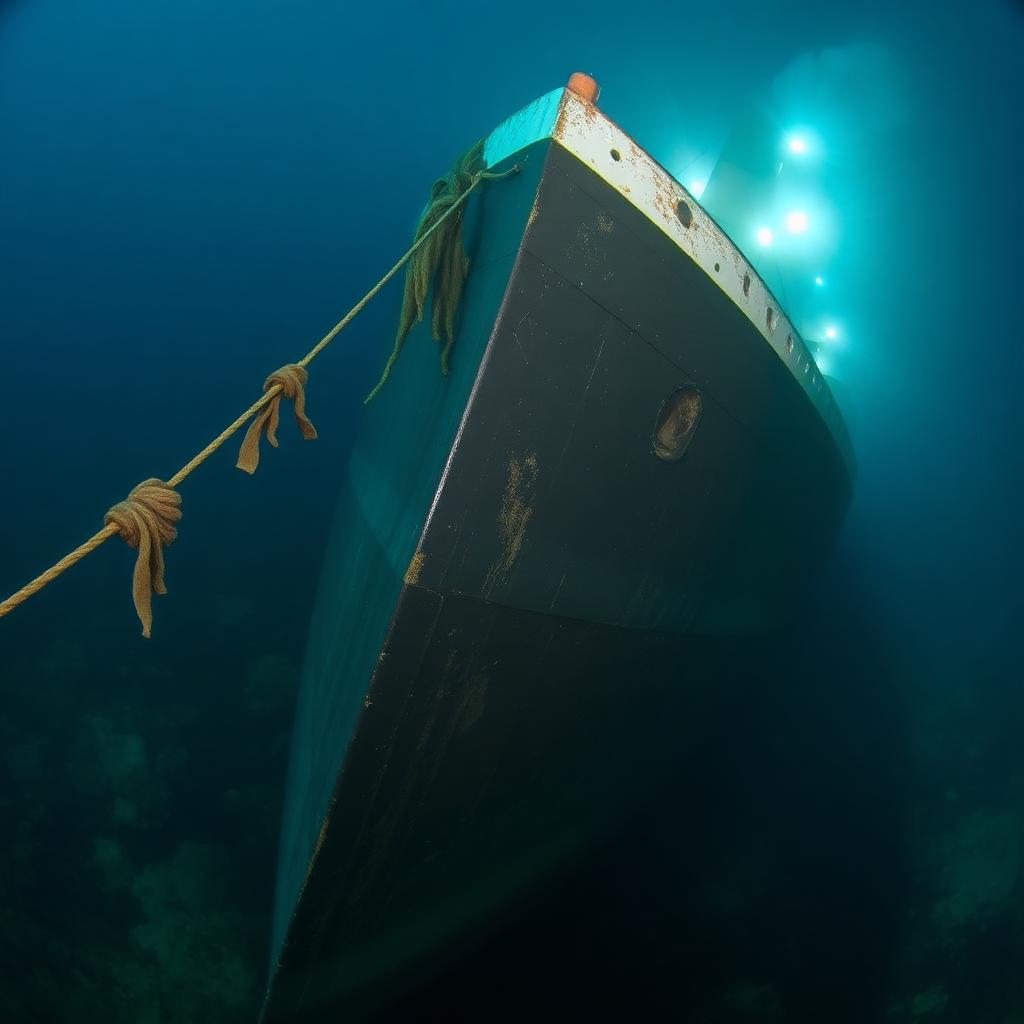
From Titanic to Trenches: How a Wreck Reshaped Deep-Sea Exploration
The technologies developed to find one ship transformed an entire field
 Deep Sea Exploration Journal
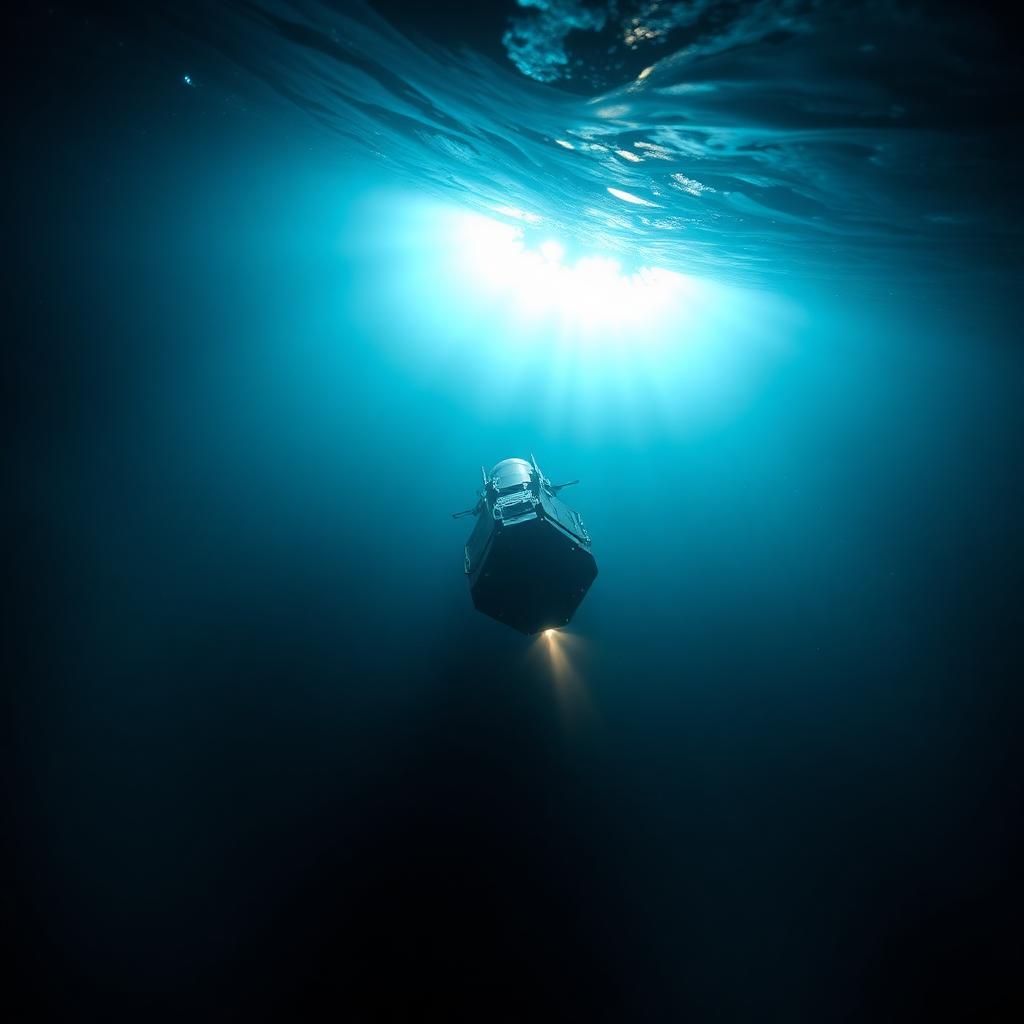
Solo to the Bottom: Individual Descents into the Mariana Trench
How a new generation of purpose-built submersibles reaches Challenger Deep repeatedly