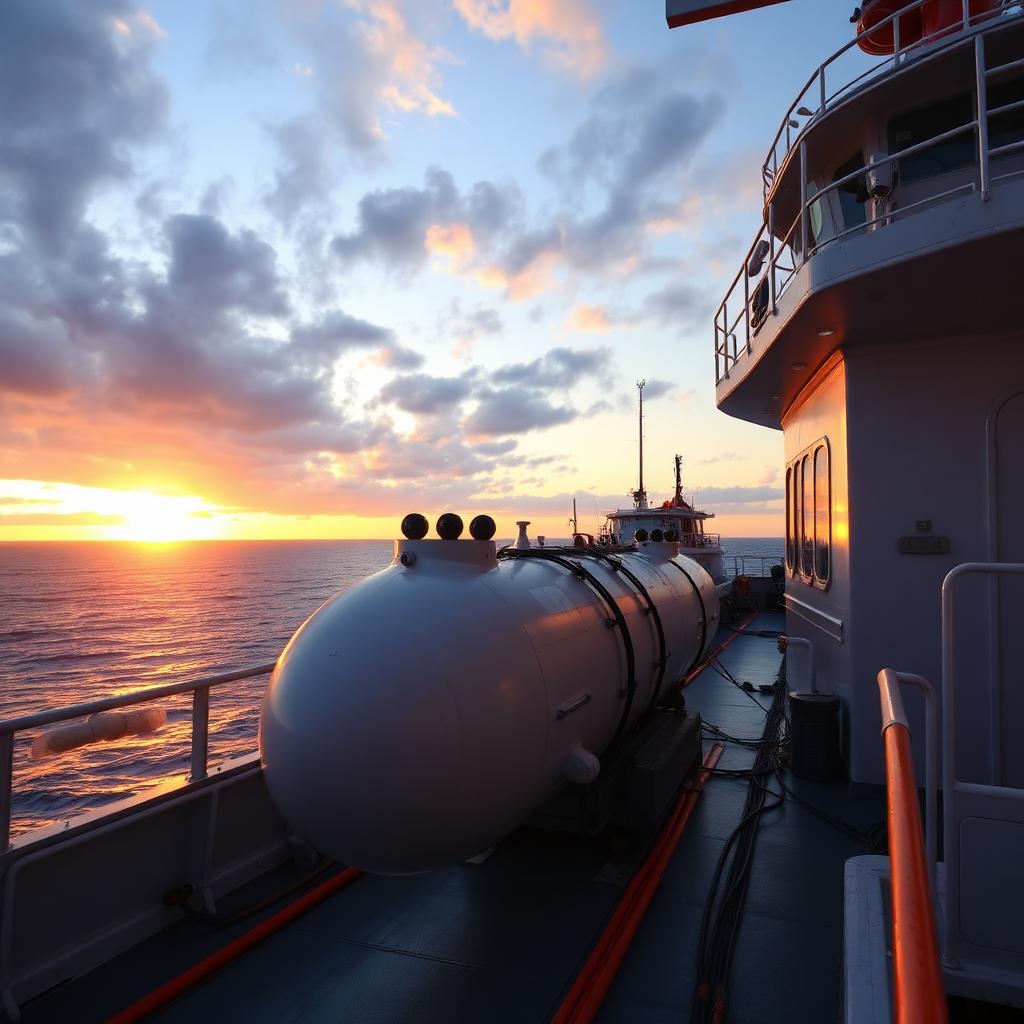
Thirty Years of Shinkai 6500: A Working Submersible's Scientific Legacy
How Japan's flagship crewed vehicle has shaped deep-sea research since 1990
The Shinkai 6500 entered service in 1990 as Japan's first crewed submersible capable of reaching six thousand five hundred meters. Since then it has completed well over a thousand scientific dives across the Pacific, Atlantic, Indian, and Southern Oceans, and it remains one of the most active deep-diving crewed vehicles in the world. Its history is a useful case study in how a single well-supported research platform can shape the trajectory of an entire field.
The vehicle is a compact titanium sphere carrying three people, mounted inside a larger hull with syntactic foam flotation, thrusters, manipulator arms, and a suite of sampling equipment. A typical dive lasts around eight hours, with about three hours spent on descent and ascent and the remainder on the seafloor. Support comes from the research vessel Yokosuka, which handles launch, recovery, and topside operations for both the submersible and the pilots.
Early Shinkai 6500 dives focused on Japanese subduction zones, contributing to a much more detailed picture of the tectonic structures around the country. Later expeditions expanded to hydrothermal vent systems along the Mid-Atlantic Ridge, seep communities off Costa Rica, and cold-water coral mounds in the Norwegian Sea. Each of these programs produced multi-year datasets that would have been effectively impossible without repeated on-site observation.
One of the most valuable aspects of a long-lived crewed vehicle is the institutional knowledge it accumulates. Pilots who have flown hundreds of dives develop an intuitive sense for how to approach delicate animals, position the vehicle in strong currents, and troubleshoot mechanical issues on the seafloor. Scientific operators learn to plan sampling programs that make full use of limited bottom time. This human expertise is difficult to transfer to autonomous systems and is a large part of why crewed submersibles remain scientifically valuable despite the rise of robotic alternatives.
The vehicle has undergone multiple upgrades over its lifetime, including improved lighting, higher-resolution cameras, better manipulator arms, and enhanced navigation. These upgrades reflect a philosophy of continuous investment rather than replacement. Rather than build a new vehicle every decade, the operating agency has treated Shinkai 6500 as a long-term platform, extending its capabilities gradually and maintaining a stable operating environment for scientists.
Comparisons with other deep submersibles illustrate the diversity of national approaches. The American Alvin has been operated with a similar long-term philosophy and recently completed upgrades that extend its rated depth. The Chinese Fendouzhe is a newer vehicle rated to full ocean depth. The Russian Mir class was retired from active service some years ago. Each of these vehicles has distinctive strengths, and international collaboration allows researchers to match tools to scientific questions.
Looking forward, the challenge for the Shinkai 6500 and its peers is to remain relevant alongside rapidly improving autonomous underwater vehicles. Robotic platforms can spend far longer on the seafloor, collect much larger volumes of data, and operate in swarms. Crewed submersibles offer something different: direct human observation, real-time judgment, and the flexibility to respond to unexpected discoveries. Most researchers argue for a mixed fleet in which crewed and uncrewed vehicles complement each other.
The scientific record produced by Shinkai 6500 includes hundreds of peer-reviewed papers, thousands of hours of high-definition seafloor video, and specimens of species that no other method would have collected. That record is a tangible legacy of a single vehicle and a national investment sustained across three decades. It also stands as a reminder that patient, long-term commitment to deep-sea infrastructure is what makes real scientific progress possible.
The Shinkai 6500 has completed more than a thousand dives across four ocean basins. Its history illustrates how a single reliable vehicle can transform a scientific community.
Continue reading
 Deep Sea Exploration Journal
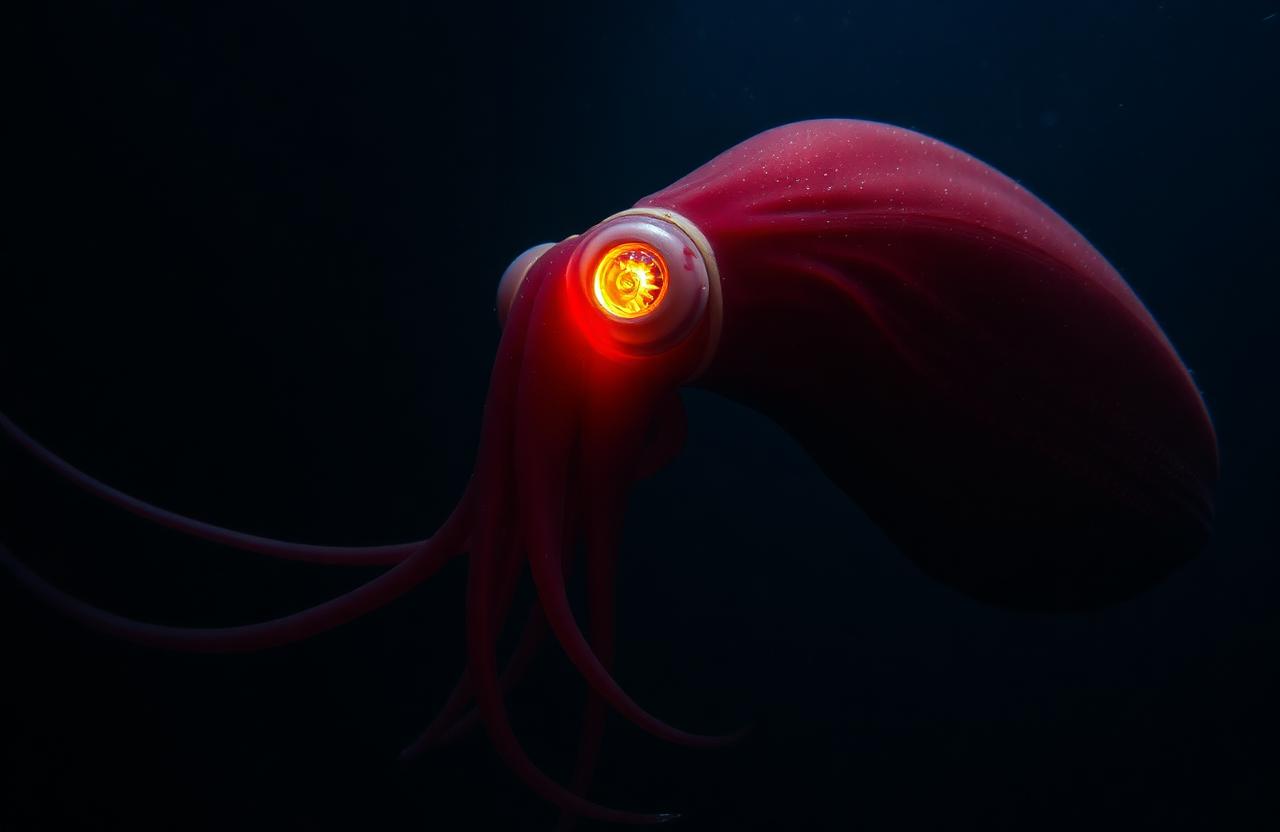
First Video of the Giant Squid: How a Cryptic Cephalopod Was Finally Filmed
The decade-long effort that put a live Architeuthis on camera in its own habitat
 Deep Sea Exploration Journal
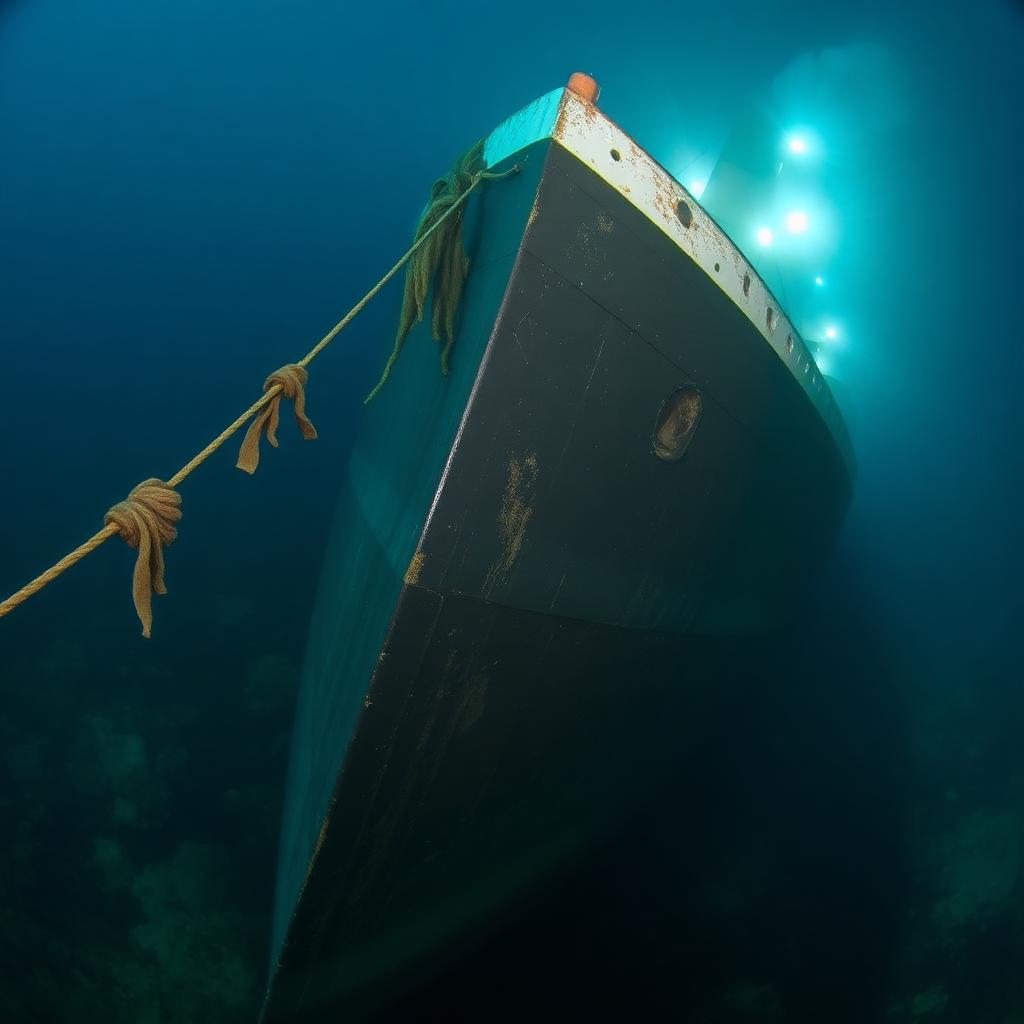
From Titanic to Trenches: How a Wreck Reshaped Deep-Sea Exploration
The technologies developed to find one ship transformed an entire field
 Deep Sea Exploration Journal
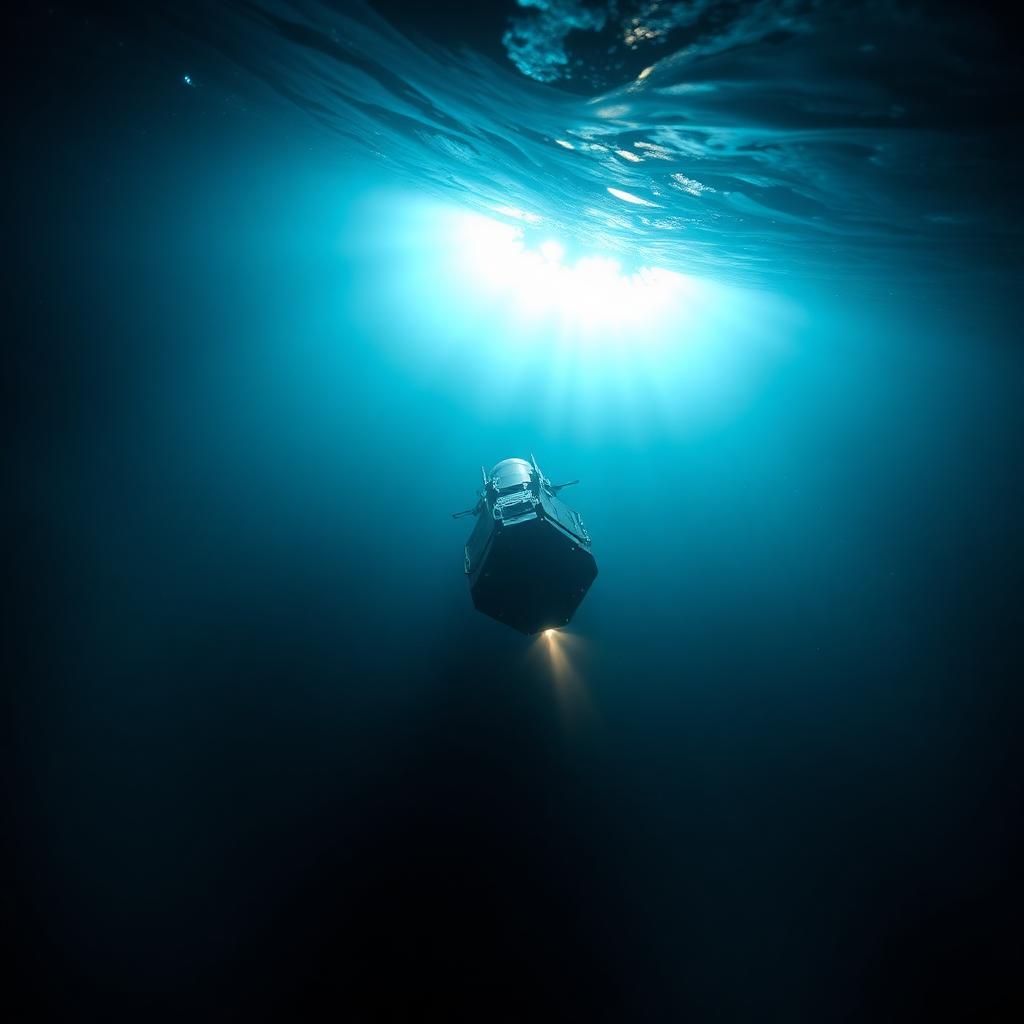
Solo to the Bottom: Individual Descents into the Mariana Trench
How a new generation of purpose-built submersibles reaches Challenger Deep repeatedly