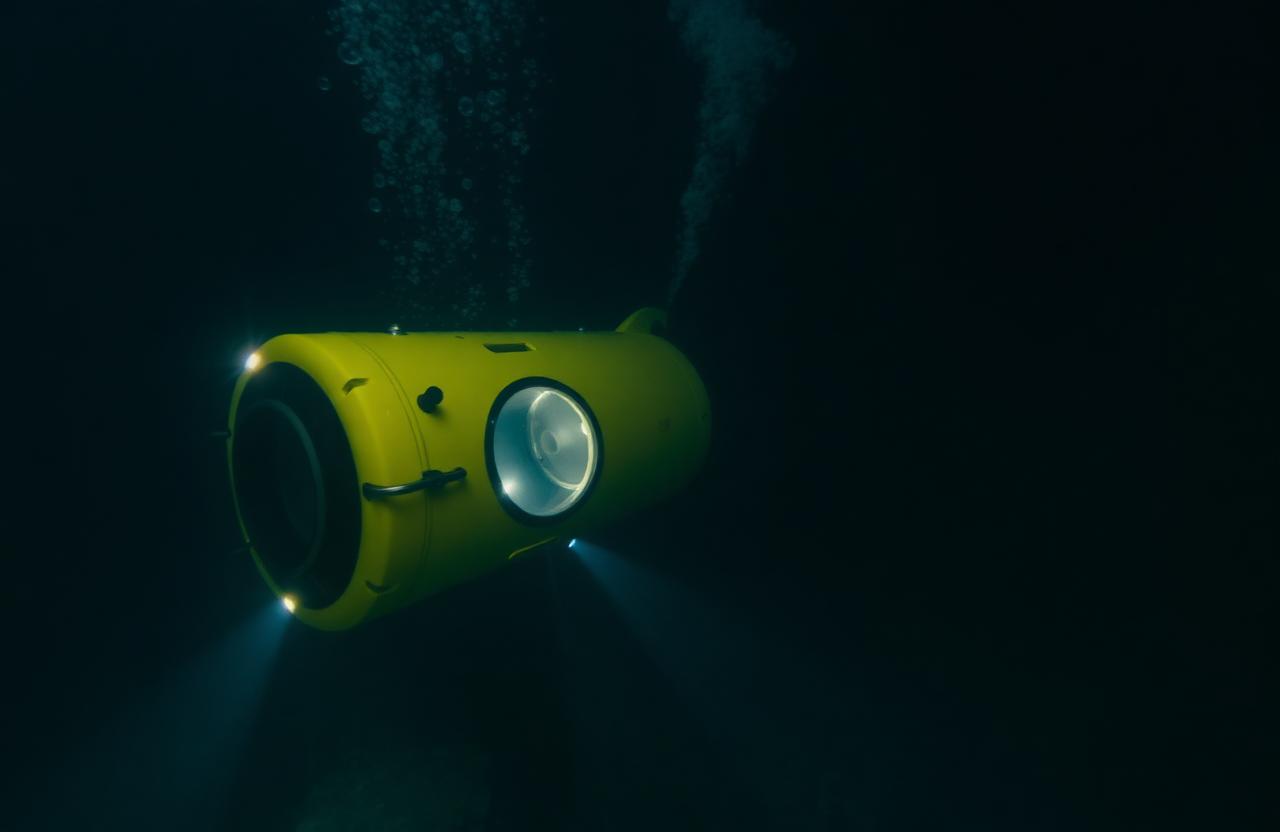
New Certification Rules Announced for Crewed Deep-Sea Submersibles
International bodies coordinate on stricter inspection and depth-rating standards
Following several years of consultation, a coalition of maritime regulators has announced updated certification requirements for crewed deep-sea submersibles. The new framework, coordinated through the International Association of Classification Societies and endorsed by several national authorities, sets stricter inspection intervals, requires third-party verification of depth ratings, and mandates independent review of pressure hull design.
The rules apply to both research and tourism submersibles operating below three hundred meters. They do not directly cover uncrewed autonomous vehicles or remotely operated systems, though many of the same manufacturing best practices are expected to influence those sectors as well. Existing vehicles have a phased compliance period; new builds must meet the full requirements immediately.
The core additions include mandatory periodic acoustic emission testing of composite and metallic pressure hulls, standardized documentation of every dive with detailed pressure and temperature logs, and formal separation between the engineers who design a vehicle and the auditors who certify it. Regulators cited the need for independent oversight after several high-profile incidents in the past decade raised questions about internal safety culture in some private operators.
For the scientific community, the impact of the new rules is expected to be modest. Most major research vehicles, including the American Alvin, the Chinese Fendouzhe, the Japanese Shinkai 6500, and the Russian Mir class, already operate under conservative safety protocols and undergo detailed periodic inspections. Operators of these vehicles have indicated that compliance will require additional paperwork but no fundamental changes to operational practice.
The effect on the emerging deep-sea tourism sector is likely to be more significant. Several companies have recently offered or advertised paying-passenger dives to depths of several thousand meters. Under the new framework, these operators must submit their vehicles for independent design review and provide detailed operational data to regulators. Some smaller companies have already indicated that they will pause commercial operations while adjusting to the new requirements.
Regulators emphasized that the goal is not to discourage deep-sea exploration but to establish a common baseline that protects both crews and passengers. Historically, submersible safety has depended heavily on the professionalism of individual manufacturers and operators. As the sector expands and diversifies, formal standards reduce the risk that a single operator's shortcuts could put people in danger or damage public trust in deep-sea research.
Scientific groups have generally welcomed the announcement while asking for parallel investment in shared infrastructure. Certification alone does not build vehicles or fund expeditions. Several national academies have called for coordinated funding to ensure that the small number of high-capability research submersibles remain available to international teams, including researchers from countries that do not operate their own vehicles.
For the public, the announcement is a reminder that deep-sea exploration involves genuine engineering risk. Every meter of depth increases pressure by roughly one atmosphere. A hull that performs well at two thousand meters can fail catastrophically at four thousand meters if design or maintenance is inadequate. Formal certification, transparent inspection records, and independent review are the tools that turn an inherently dangerous activity into one that professionals can conduct safely over long careers.
A new international framework will require deeper inspection protocols and third-party depth-rating verification for crewed research and tourism submersibles.
Continue reading
 Deep Sea Latest News
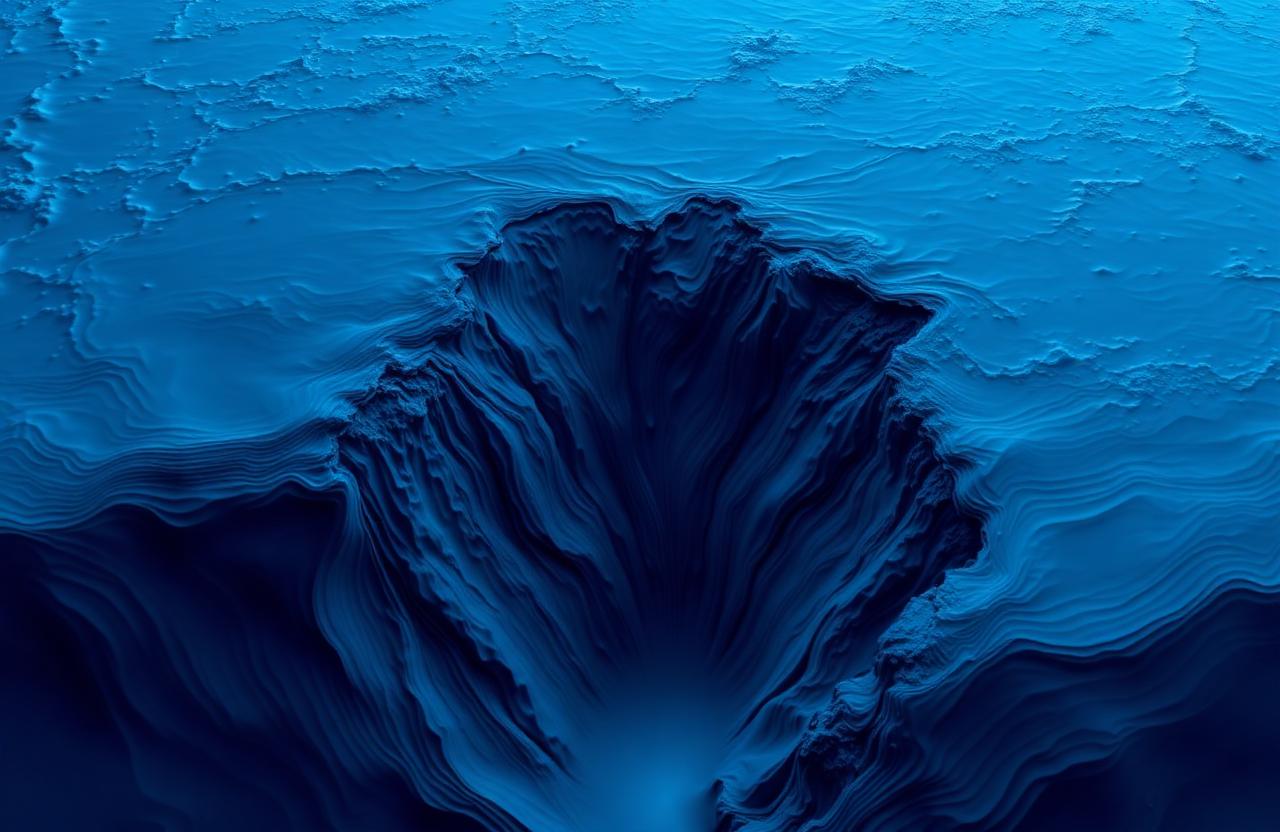
New High-Resolution Bathymetry Released for the Mariana Trench
A multinational survey publishes the sharpest map yet of the deepest place on Earth
 Deep Sea Latest News
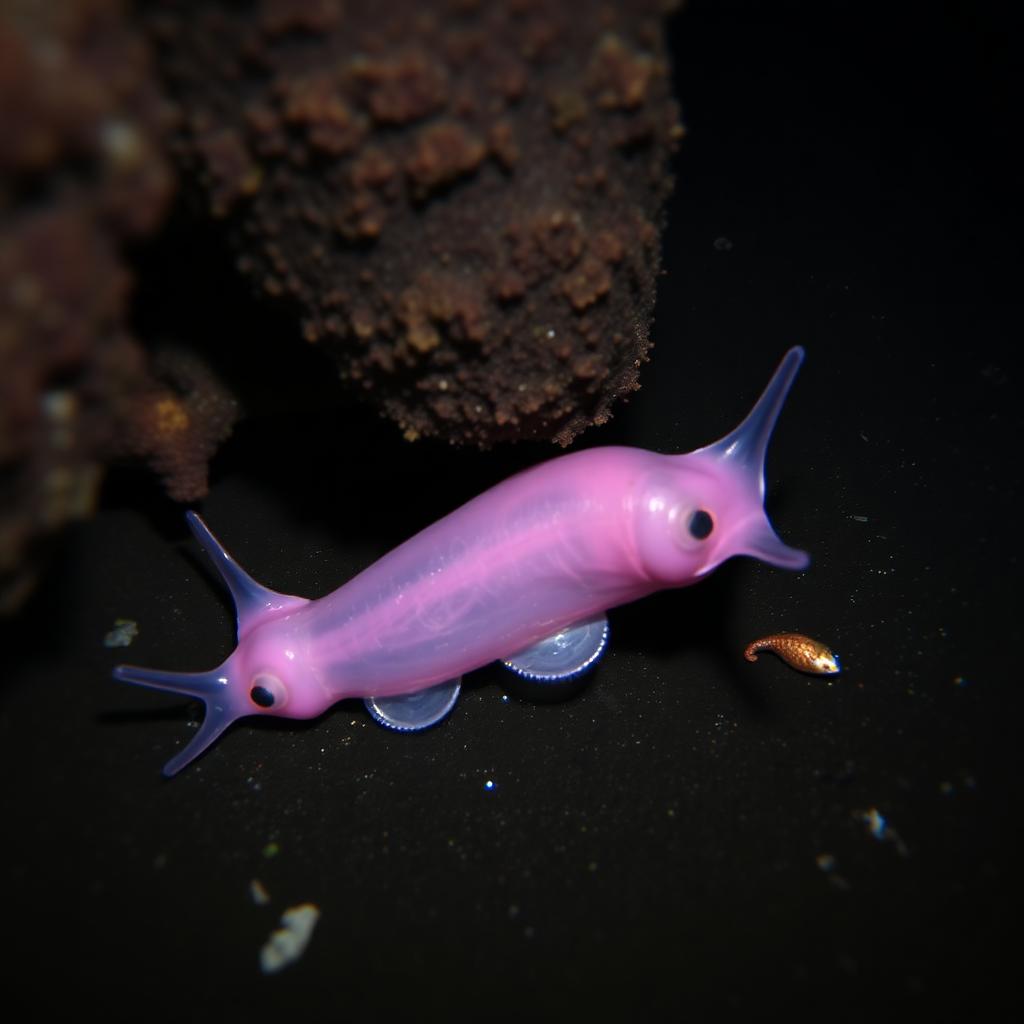
Snailfish Set New Depth Record in the Izu-Ogasawara Trench
Video captured at 8,336 meters extends the known depth range of vertebrate life
 Deep Sea Latest News
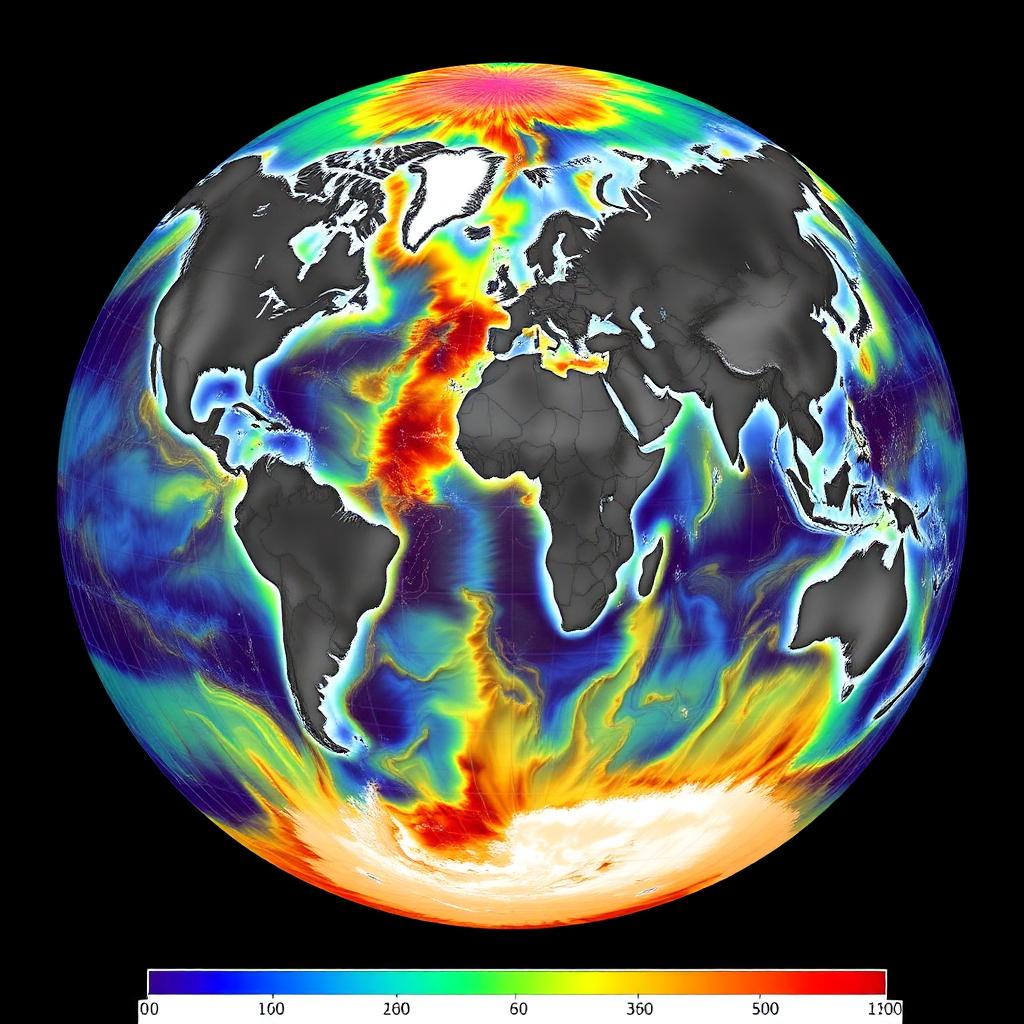
Seabed 2030: Progress and Gaps in Global Ocean Mapping
How much of the seafloor has actually been mapped at modern resolution