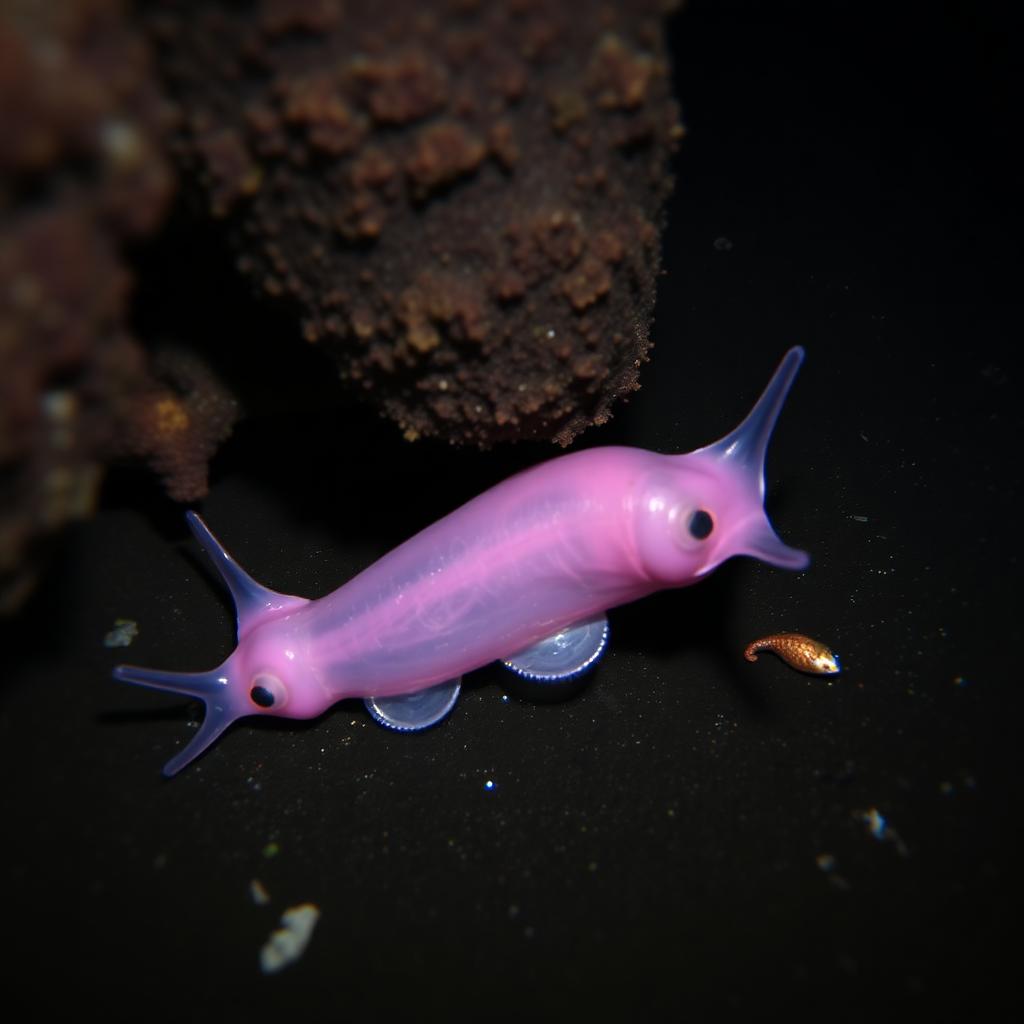
Snailfish Set New Depth Record in the Izu-Ogasawara Trench
Video captured at 8,336 meters extends the known depth range of vertebrate life
A team of researchers has released video of a small snailfish swimming at a depth of eight thousand three hundred thirty-six meters in the Izu-Ogasawara Trench, south of Japan. The footage, captured by a baited camera deployed from a surface vessel, extends the known depth range of vertebrate life by several meters. The animal appears to be a juvenile in the genus Pseudoliparis and was identified based on body shape and observed behavior around the camera.
Snailfishes have been prominent in hadal biology since a series of expeditions between 2014 and 2023 documented several species at depths greater than seven thousand meters. Their translucent, gelatinous bodies and slow, deliberate swimming suit an environment where pressures exceed eight hundred atmospheres. Fluid-filled internal structures replace gas spaces, which would collapse under such conditions, and cell membranes contain specialized compounds that maintain fluidity despite the pressure and cold.
The Izu-Ogasawara Trench is part of the same subduction system that includes the Mariana and Yap trenches. Its geology makes it one of the deepest features in the northwestern Pacific, and its relatively narrow shape concentrates sinking organic matter along a limited area of seafloor. This concentration may explain why the trench supports observable fish populations at extreme depths despite the general scarcity of food at those pressures.
The new record does not necessarily represent the absolute depth limit for vertebrate life. Physiological modeling suggests that fish biochemistry can, in principle, function down to around eight thousand four hundred meters, beyond which key protein and membrane systems become unstable. The observation reported here sits close to that theoretical limit and is consistent with the physiological ceiling rather than pushing beyond it.
Beyond the specific record, the observation reinforces the value of baited-camera surveys in hadal biology. Unlike trawls, which physically capture and often damage specimens, camera systems allow direct observation of undisturbed behavior. Combined with environmental DNA sampling and occasional targeted trapping, they provide a much richer picture of trench communities than earlier methods.
The research team plans further deployments in both the Izu-Ogasawara and Mariana systems in coming seasons. Additional data will help refine population estimates for hadal snailfishes and clarify how their communities differ between trenches. Because trenches are isolated from one another by shallower seafloor, each system tends to host distinct populations that have evolved somewhat independently.
For science communicators and educators, this observation is a compact illustration of how the deep sea continues to surprise. Even in a well-studied region, a relatively simple instrument can capture something no one has seen before. It is also a reminder that vertebrate life extends nearly to the deepest reaches of the planet, and that the boundary between the possible and the impossible in biology is often set not by intuition but by careful measurement.
The published clip is short and unspectacular in a traditional sense: a small, translucent fish swimming quietly around a bait cage in cold dark water. That is precisely its importance. It is real evidence, from a real animal, at a real depth that would have seemed impossible a generation ago.
A baited camera deployed in the Izu-Ogasawara Trench recorded a juvenile snailfish at 8,336 meters, extending the known depth range of vertebrates.
Continue reading
 Deep Sea Latest News
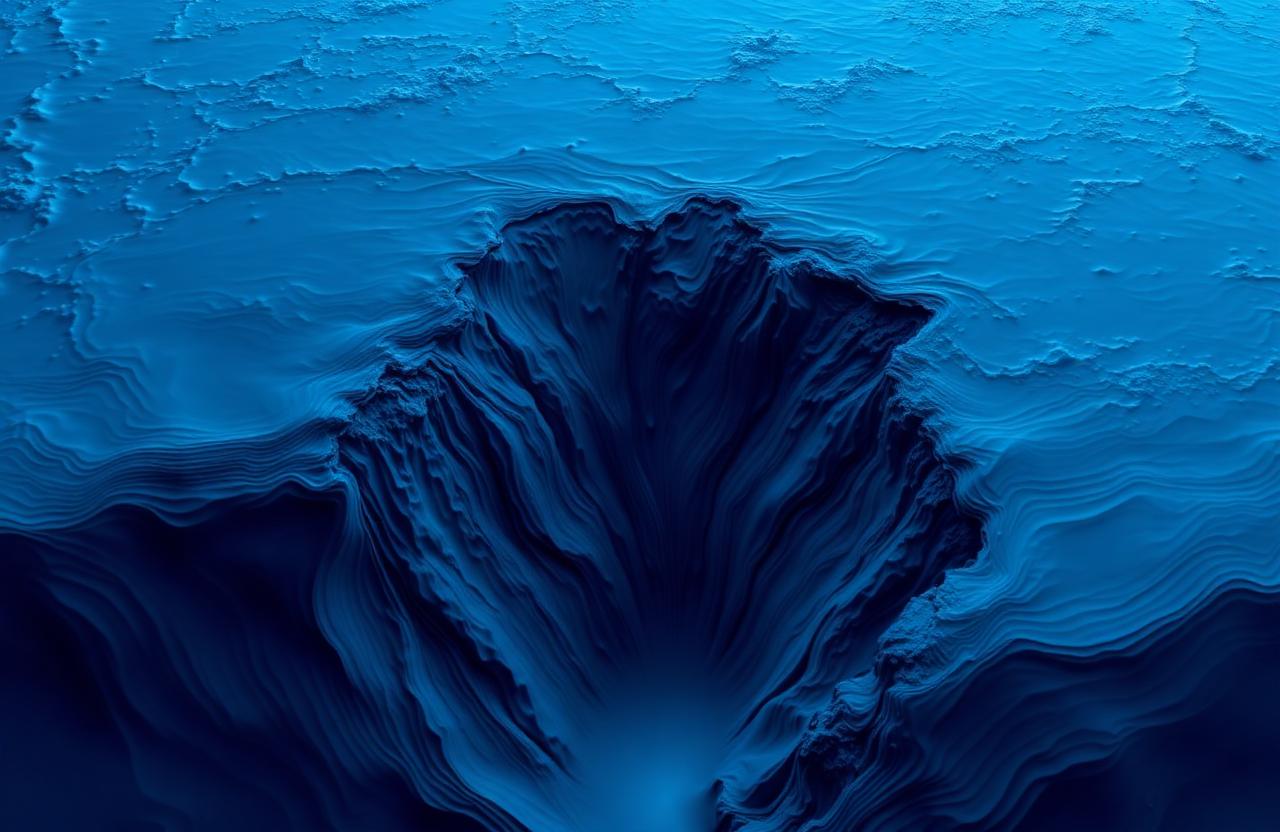
New High-Resolution Bathymetry Released for the Mariana Trench
A multinational survey publishes the sharpest map yet of the deepest place on Earth
 Deep Sea Latest News
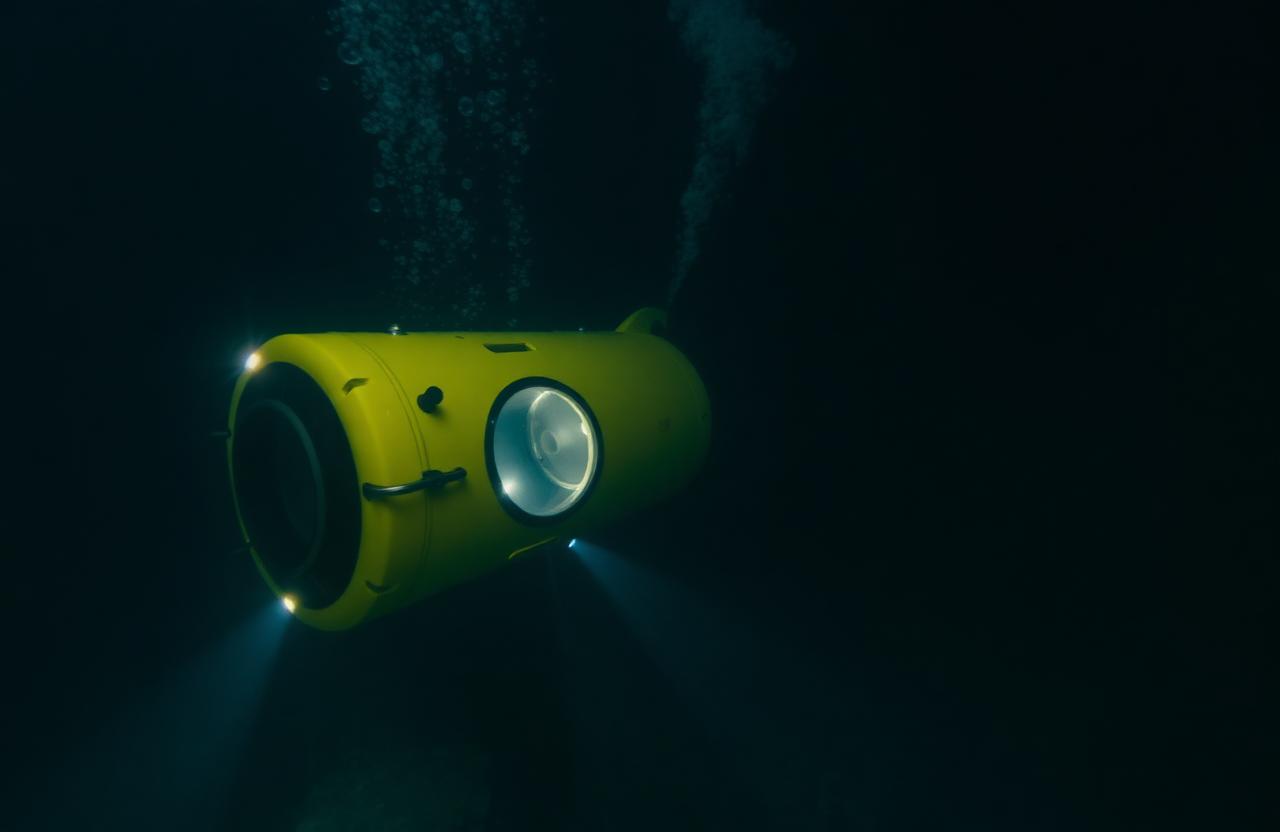
New Certification Rules Announced for Crewed Deep-Sea Submersibles
International bodies coordinate on stricter inspection and depth-rating standards
 Deep Sea Latest News
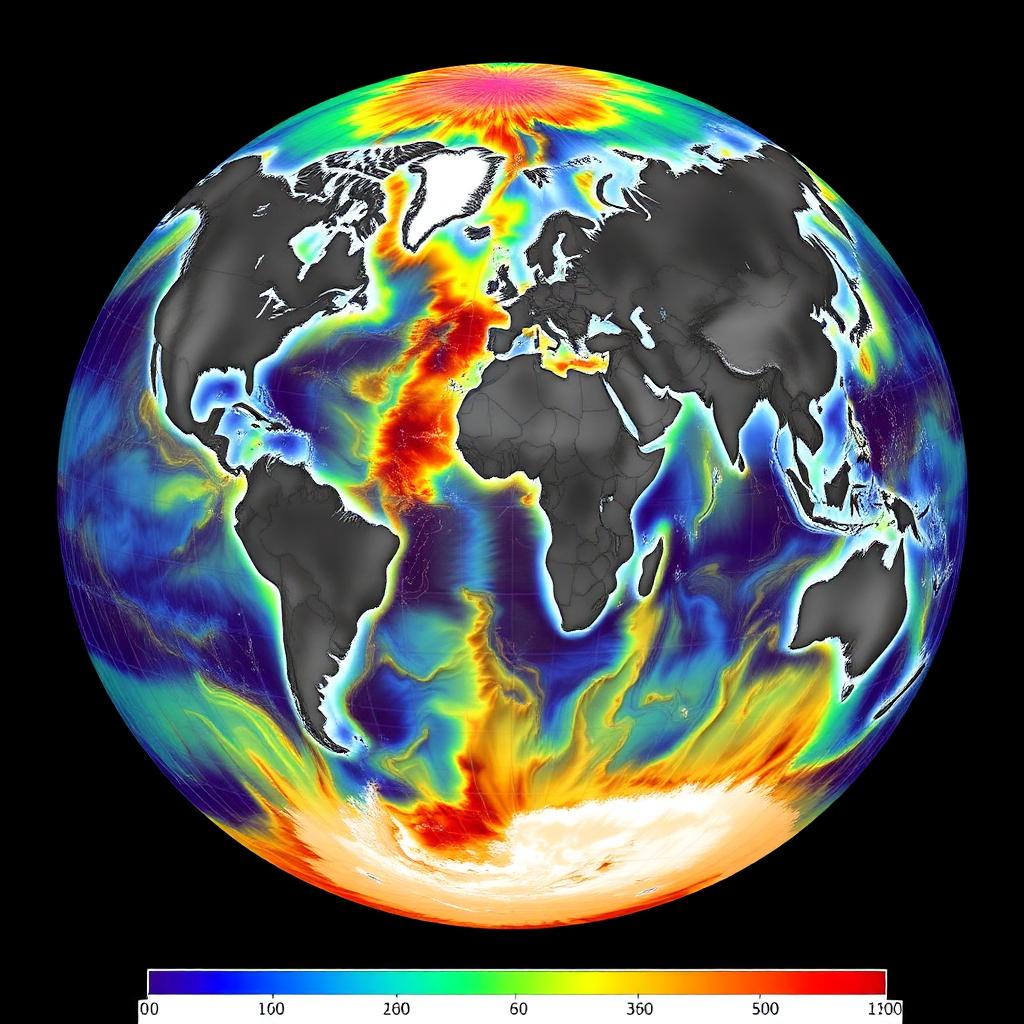
Seabed 2030: Progress and Gaps in Global Ocean Mapping
How much of the seafloor has actually been mapped at modern resolution