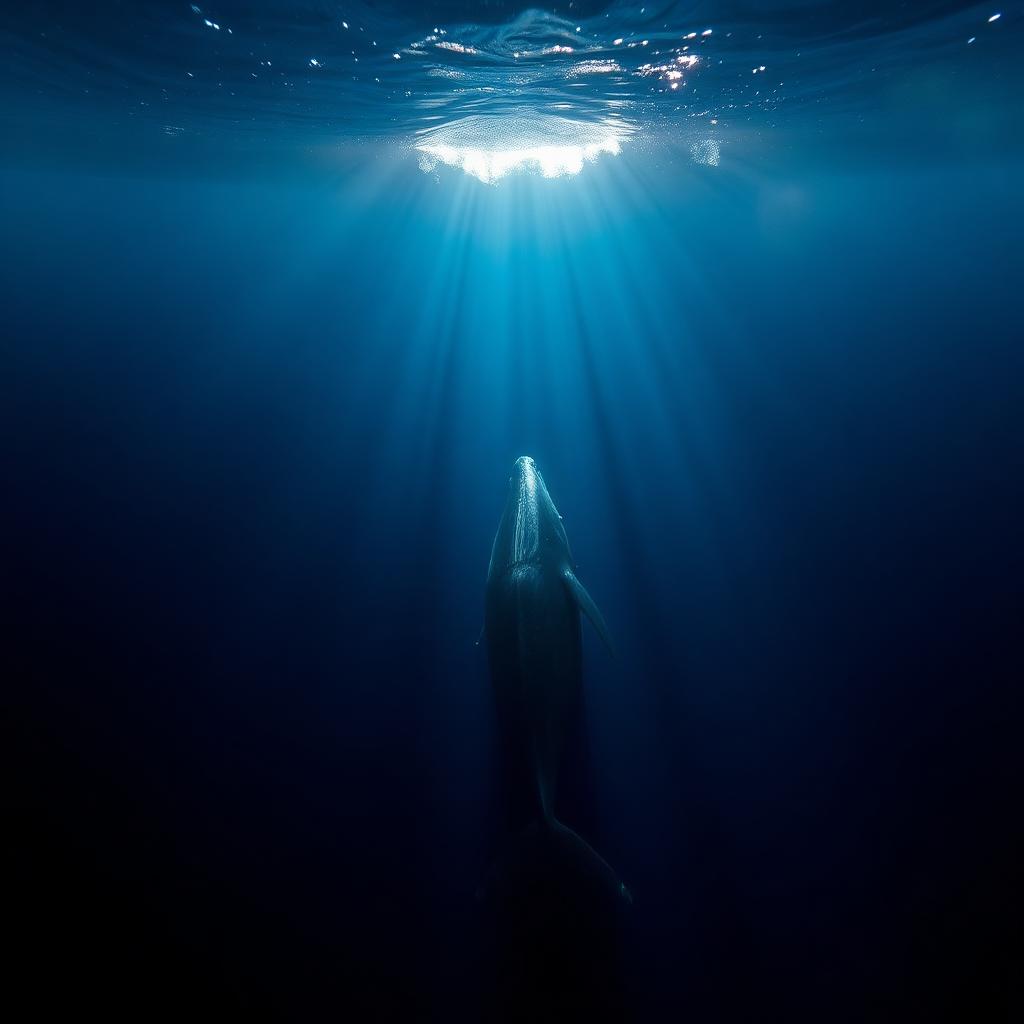
Sperm Whales and Their Deep-Sea Prey: What Sonar and Stomachs Reveal
Long-line divers that shape mesopelagic and bathypelagic ecosystems
The sperm whale, Physeter macrocephalus, is the largest toothed predator on Earth and one of the most impressive deep divers among mammals. Adults routinely descend to depths of five hundred to one thousand meters and can reach beyond two thousand meters on longer foraging dives. Their primary prey are mid- and deep-water squids, including several species of Architeuthis and Mesonychoteuthis, but their diet also includes fishes, octopuses, and other cephalopods.
Understanding sperm whale foraging requires piecing together evidence from several sources. Direct observation is impossible during deep dives because human divers cannot reach those depths. Instead, researchers use acoustic tags that record diving profiles and echolocation clicks, analyze stomach contents from stranded animals, and study sucker scars and beak fragments recovered from prey remains. Each source has biases, but together they build a coherent picture of a predator that spends much of its life in the mesopelagic and bathypelagic zones.
The whale's echolocation is central to this lifestyle. Clicks generated in the spermaceti organ propagate through the water and reflect off prey. Analysis of click sequences shows that whales adjust their signals depending on target range, prey density, and behavioral context. Foraging dives typically involve steady clicking at depth, punctuated by rapid buzzes as the whale closes on individual prey. These patterns can be used to estimate feeding rates and prey selection without direct observation.
Sperm whales connect surface and deep ecosystems in important ways. Nutrients ingested at depth are eventually released as feces in surface waters, contributing to nutrient cycling and stimulating primary production. Some estimates suggest that sperm whale populations play a measurable role in transporting iron and other limiting nutrients within their range, though the exact magnitude is debated. This coupling means that changes in deep-sea prey populations can affect surface productivity indirectly.
Conservation of sperm whales has focused historically on ending commercial whaling, which drastically reduced global populations in the twentieth century. Current threats include ship strikes, entanglement in fishing gear, chemical pollution, and noise from shipping, seismic surveys, and military sonar. Because sperm whales rely on sound for navigation and prey detection, chronic noise exposure may reduce foraging success in some regions.
The whales' interaction with deep-sea cephalopods also raises questions about the health of prey populations. Estimated squid consumption by global sperm whale populations is very large, and shifts in whale abundance would inevitably affect squid dynamics. Conversely, deep-sea fisheries targeting some of the same squid species could reduce prey availability for whales. Coordinated ecosystem-based management, considering surface and deep components together, is a growing focus among fisheries scientists.
For students of deep-sea biology, sperm whales offer a bridge between two worlds. They are large, familiar, and easy to observe at the surface. They also spend most of their lives hunting animals that few humans will ever see. Following a sperm whale as it descends into the twilight zone is one of the clearest reminders that the ocean is a single system, not a series of separate compartments.
Ongoing research combines satellite tagging, acoustic monitoring, environmental DNA analysis of surface waters, and long-term photo identification of individual whales. The goal is not only to understand sperm whales themselves but to use them as sentinels for the state of the deep pelagic ecosystem. Few other animals cross so many depth zones so regularly, and few are as informative about the coupling between the sunlit and the dark ocean.
Sperm whales are the largest deep divers on Earth. Their behavior links surface conservation to deep-sea ecology in ways that are still being mapped.
Continue reading
 Deep Sea Creatures Popular Science
Life in the Midnight Zone: A Field Guide to the Bathypelagic
How animals survive between 1,000 and 4,000 meters of perpetual darkness
 Deep Sea Creatures Popular Science
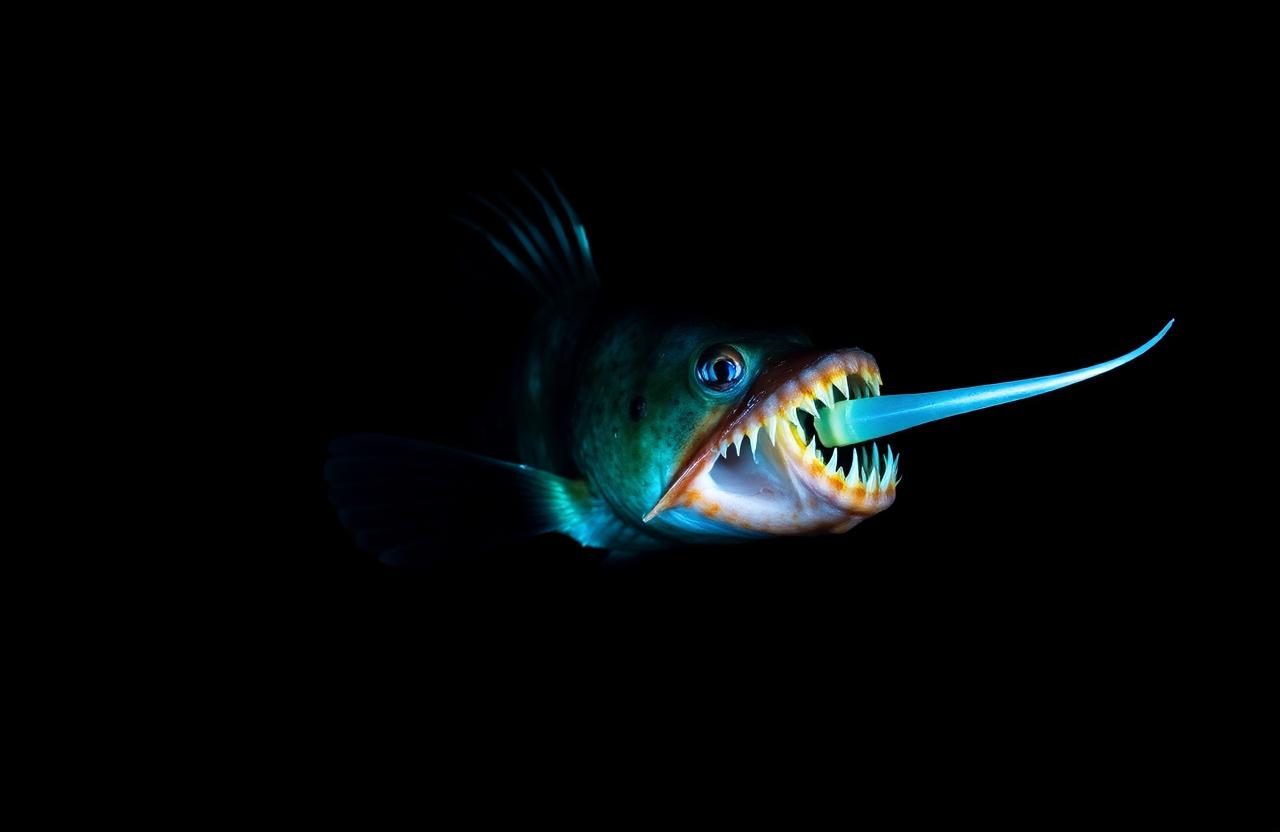
The Anglerfish's Lantern: Anatomy of a Deep-Sea Ambush Predator
How ceratioid anglerfishes evolved bacterial lures, extreme jaws, and parasitic males
 Deep Sea Creatures Popular Science
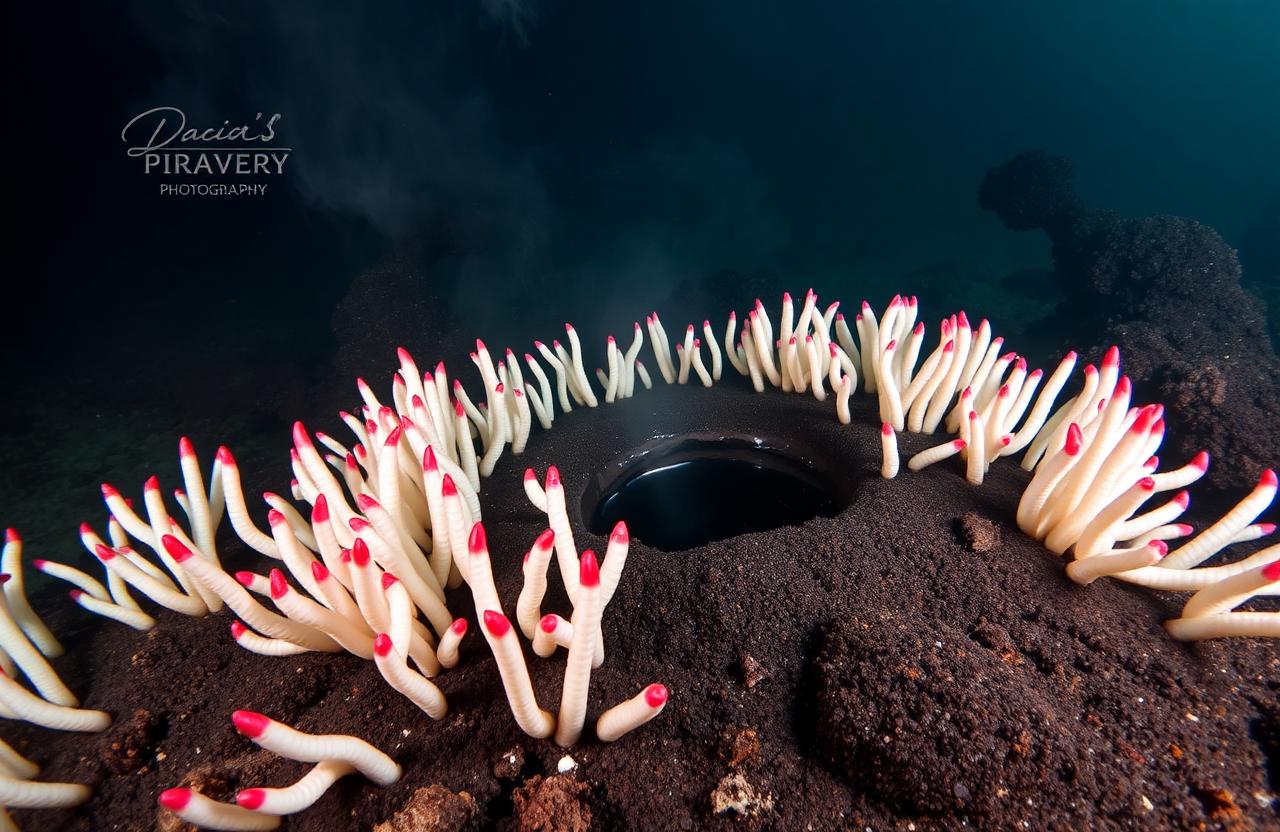
Hydrothermal Vents: Chemosynthesis and the Origins of Life
Superheated fluid, tube worms, and a food web that does not need the sun