Siphonophores: The Longest Animals in the Ocean
Colonial cnidarians that grow into ribbon-like predators tens of meters long
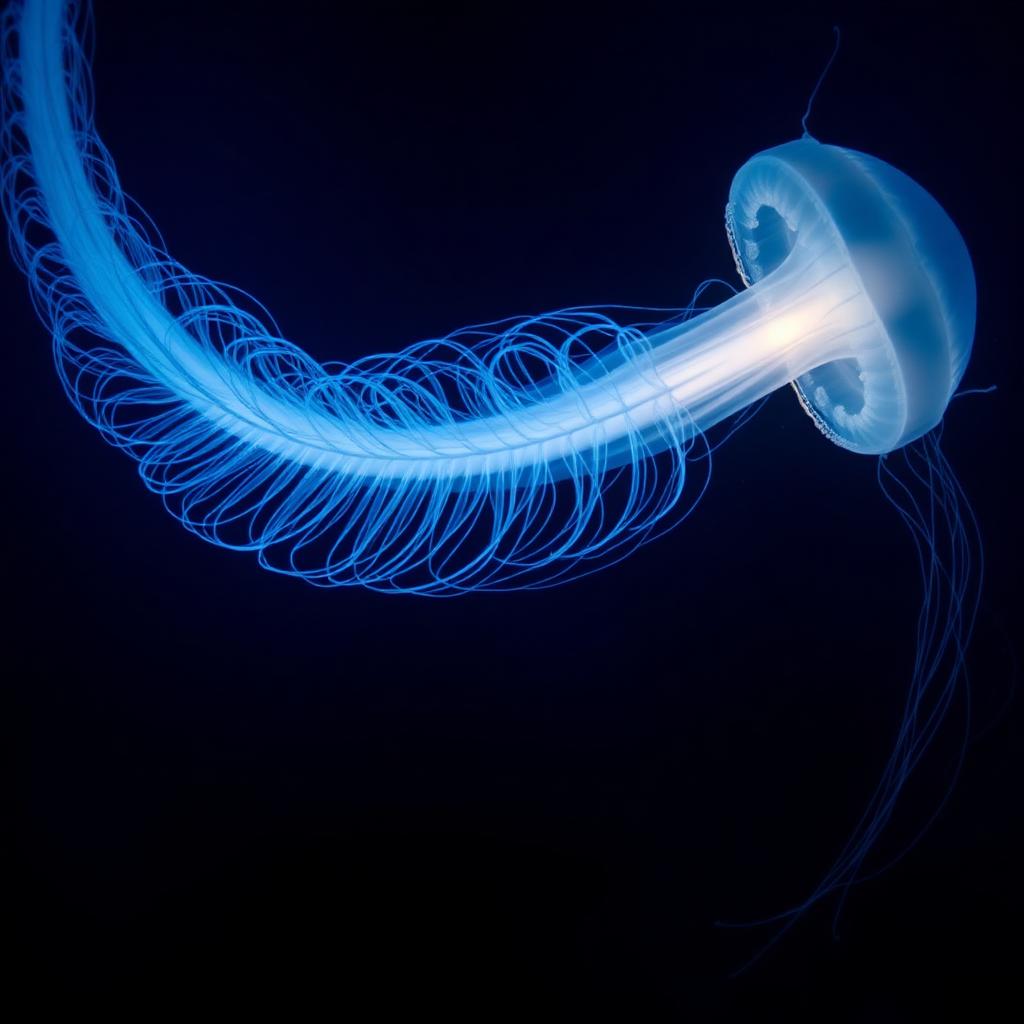
Siphonophores are among the most misunderstood animals in the ocean. They look like single jellyfish-like organisms, but each one is actually a colony of many specialized bodies, called zooids, that grow from a common stem. Each zooid performs a specific job: some capture prey, some digest food, some reproduce, and some provide buoyancy or propulsion. Together they behave as a single coordinated animal, though genetically every zooid is a clone of the others.
The most famous siphonophore is the Portuguese man o' war, but the deep-sea species are far stranger. A 2020 expedition off Western Australia filmed an Apolemia siphonophore estimated to be more than one hundred and twenty meters long, arranged in a spiral pattern that filled the water column. If confirmed, that individual would be longer than any blue whale ever recorded, making siphonophores contenders for the title of longest animals on Earth.
Deep-sea siphonophores hunt by extending curtains of stinging tentacles across large volumes of water. Small fishes, crustaceans, and copepods swim into these near-invisible traps and are quickly paralyzed. Specialized digestive zooids then process the prey and distribute nutrients along the shared body. Because the colony can rearrange its shape and orientation, it is essentially a living fishing net that reconfigures itself in real time.
Buoyancy is maintained by a small gas-filled float called a pneumatophore at the top of many species, along with muscular swimming bells arranged beneath it. By contracting the bells in coordinated pulses, the colony can move slowly through the water column, adjust depth, and reposition its tentacle curtains. This coordinated locomotion is surprisingly efficient and allows siphonophores to occupy specific depth layers with remarkable stability.
Reproduction in siphonophores is also colonial. Specialized zooids called gonophores produce eggs and sperm that are released into the surrounding water. Fertilized eggs develop into a single larval zooid, which then begins budding off additional zooids to form a new colony. This developmental sequence, in which a single individual gives rise to a highly organized society of clones, has fascinated biologists since the nineteenth century.
Studying siphonophores in the wild is difficult because their bodies are extremely fragile. Any contact with a net or manipulator arm typically destroys the colony, leaving researchers with a bag of unidentifiable fragments. Modern high-definition ROV cameras have transformed the field by allowing scientists to observe intact colonies at depth without touching them. Behavioral data collected this way has revealed feeding strategies, swimming patterns, and community roles that were invisible to earlier researchers.
Siphonophores also play a large but underappreciated role in ocean carbon cycling. Their tentacle curtains capture significant amounts of small prey, and their waste products contribute to the marine snow that feeds deeper communities. Some estimates suggest that gelatinous predators like siphonophores may process a much larger fraction of midwater biomass than earlier surveys recognized, simply because their fragile bodies were destroyed by traditional sampling methods.
For anyone new to deep-sea biology, siphonophores are a good reminder that the ocean's most abundant hunters are often not the sharks and swordfishes of popular imagination. They are transparent, delicate, cooperative colonies that ambush prey with patience and precision, drifting through the dark in shapes that no single animal on land could ever adopt.
Siphonophores are not single animals but coordinated colonies of specialized zooids. In the deep sea they grow longer than blue whales.
Continue reading
 Deep Sea Creatures Popular Science
Life in the Midnight Zone: A Field Guide to the Bathypelagic
How animals survive between 1,000 and 4,000 meters of perpetual darkness
 Deep Sea Creatures Popular Science
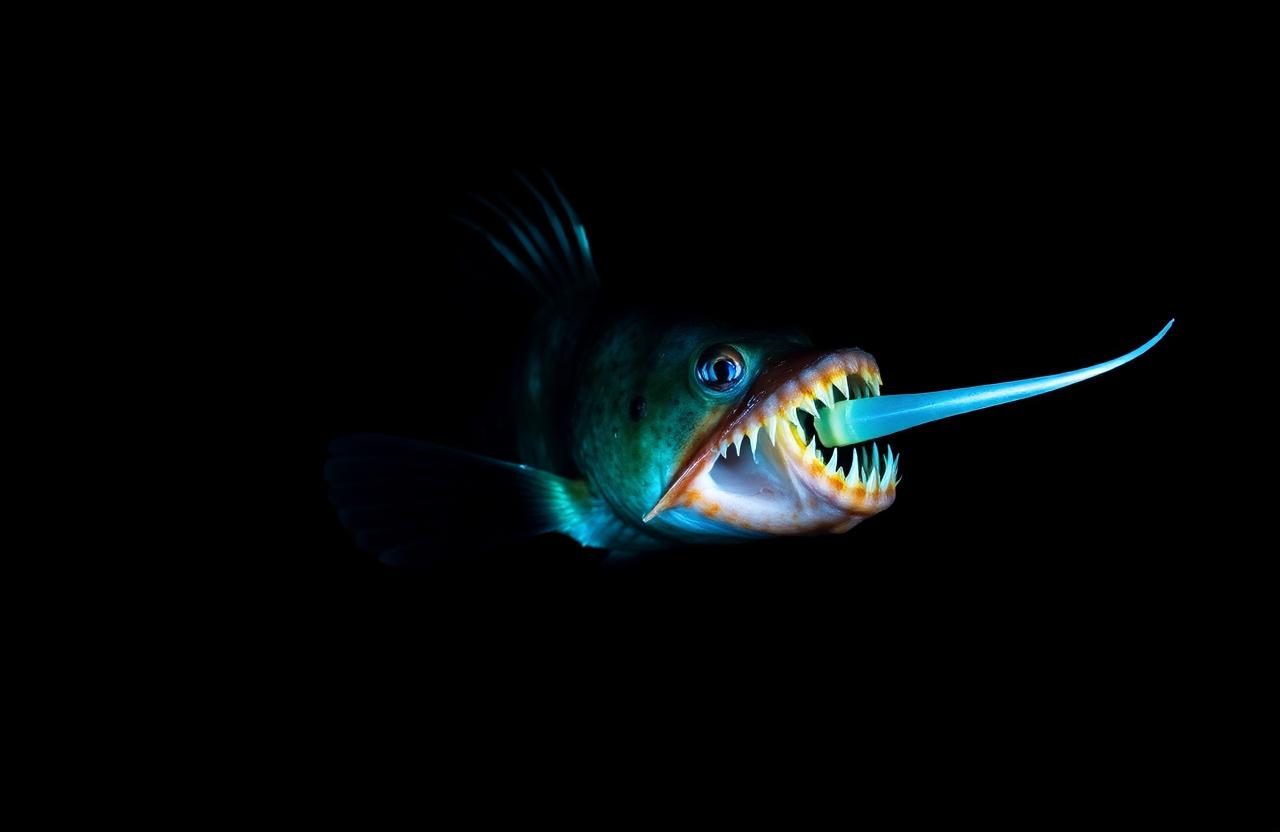
The Anglerfish's Lantern: Anatomy of a Deep-Sea Ambush Predator
How ceratioid anglerfishes evolved bacterial lures, extreme jaws, and parasitic males
 Deep Sea Creatures Popular Science
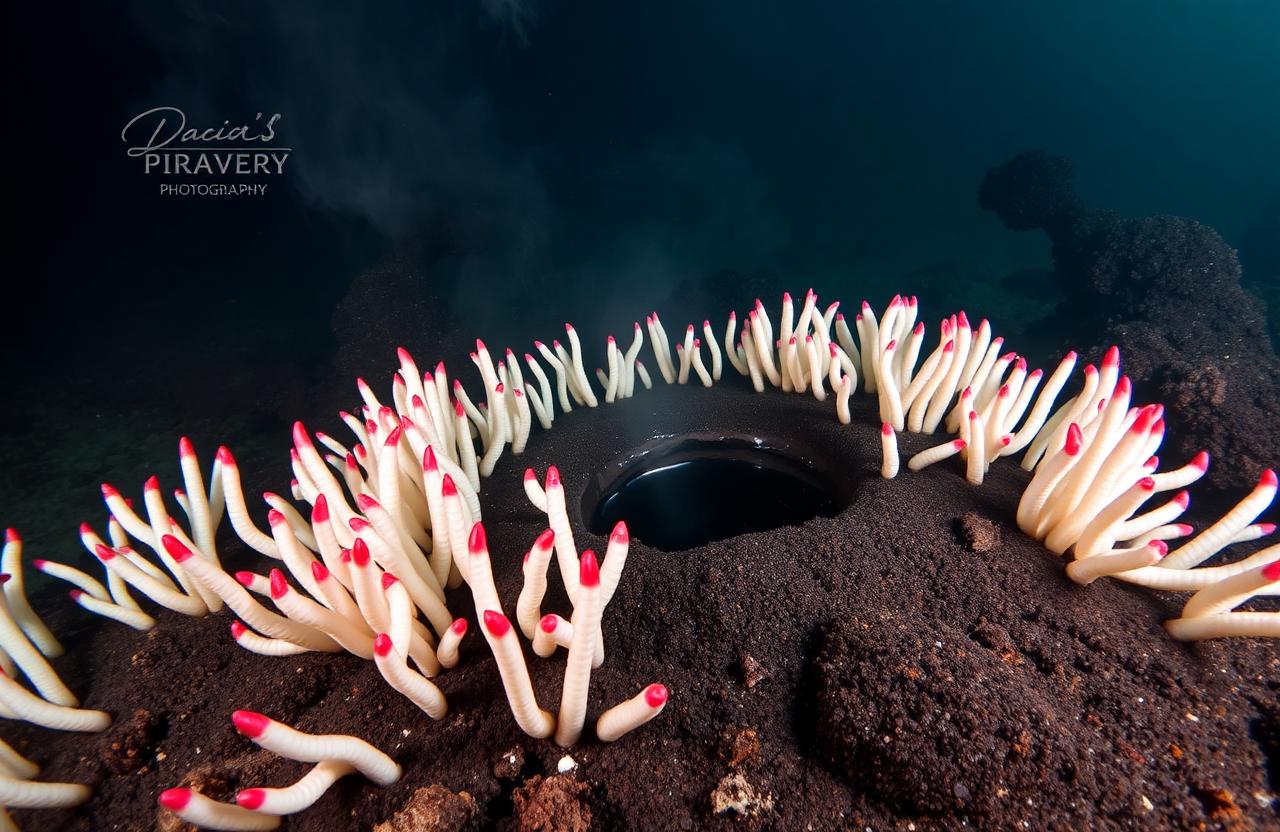
Hydrothermal Vents: Chemosynthesis and the Origins of Life
Superheated fluid, tube worms, and a food web that does not need the sun