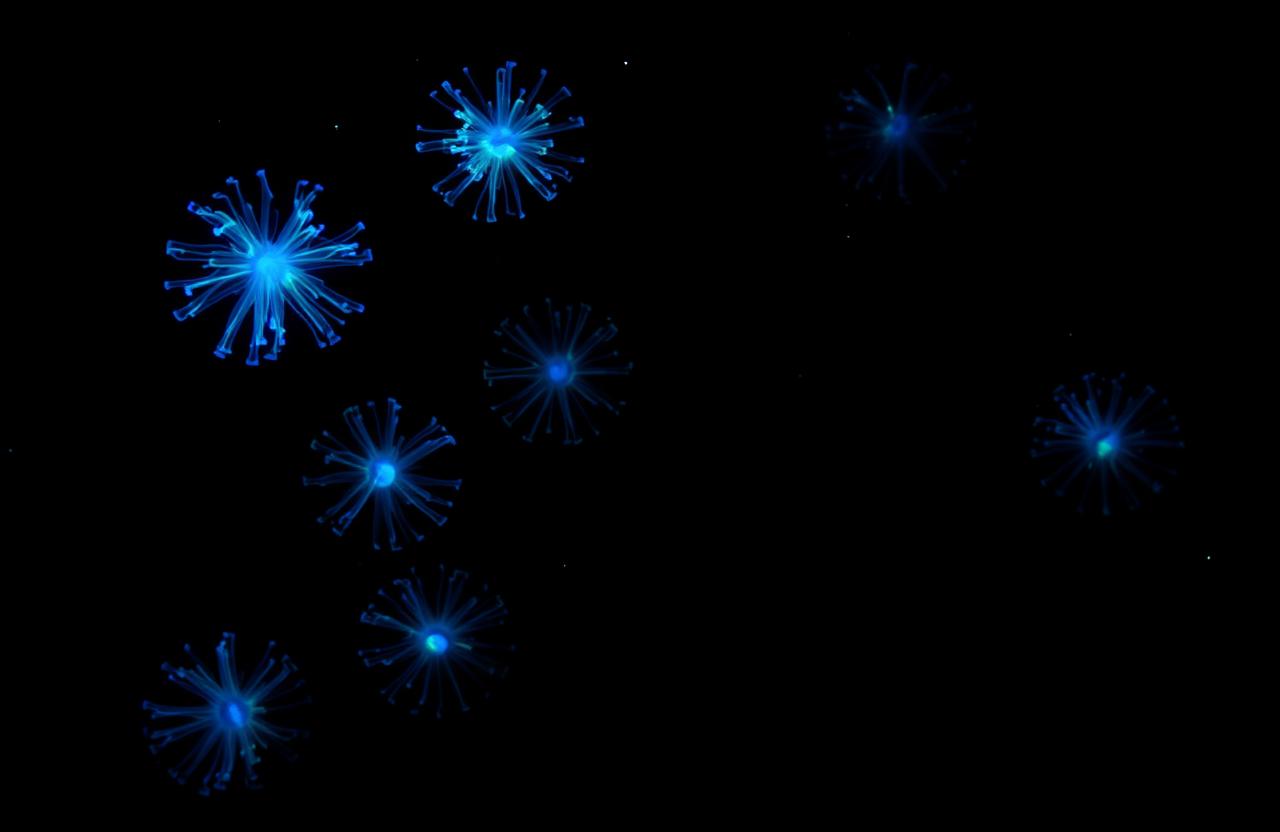
Bioluminescent Signaling: The Grammar of Deep-Sea Light
How pulses, patterns, and colors carry information in the dark ocean
Bioluminescence is one of the defining features of the deep sea, but it is easy to underestimate. In popular imagery, it appears as scattered glowing dots against a black background, a kind of decorative starfield. In reality, the light produced by deep-sea organisms carries information. Pulse durations, wavelengths, spatial patterns, and behavioral contexts combine into signaling systems that biologists are only beginning to decode.
The chemistry behind most deep-sea bioluminescence involves a substrate called coelenterazine reacting with oxygen in the presence of a luciferase enzyme. Different species use variants of this reaction, and some, such as certain fishes and squids, host symbiotic bacteria that light continuously and are switched on and off by the animal through mechanical shutters or blood-flow control. The end result in every case is cold light, produced with high efficiency and almost no wasted heat.
One of the most widespread uses of light in the ocean is counterillumination. In the upper mesopelagic zone, faint sunlight still filters down from above, and any animal viewed from below appears as a silhouette. Many mesopelagic fishes, squids, and shrimp carry rows of light organs called photophores on their bellies. By matching the intensity and color of the downwelling light, they erase their silhouette and become nearly invisible to upward-looking predators. Some species even adjust their photophores in real time as clouds pass overhead or as they change depth.
In the bathypelagic and abyssal zones, where no sunlight reaches, bioluminescence shifts from camouflage to communication. Certain squids display coordinated patterns across skin-embedded photophores that appear to serve as warning signals to rivals or invitations to mates. Ostracods release luminescent secretions in specific temporal sequences during courtship, effectively broadcasting Morse-code-like patterns unique to each species. Predators respond to these species-specific signals, meaning that mate attraction and predation risk are always in tension.
Defensive bioluminescence is particularly striking. When attacked, some deep-sea shrimp expel bright clouds of luminescent fluid that startle the predator and give the shrimp a moment to escape. The atolla jellyfish, mentioned in giant squid research, produces a rotating burglar-alarm display when grasped, drawing the attention of even larger predators that may attack whatever is holding the jellyfish. This third-party recruitment strategy shifts the balance of an encounter without direct physical defense.
Color, though limited by ocean physics, still carries information. Blue and green wavelengths travel farthest through seawater, so most bioluminescence peaks in that range. A few unusual species, however, produce red light. Dragonfishes in the genus Malacosteus have red-sensitive vision paired with red-emitting photophores, giving them a private communication channel invisible to most of their prey and rivals. Achieving red vision required an unusual evolutionary trick: incorporating chlorophyll-derived molecules from dietary sources into their retinas.
Measuring these signaling systems is difficult because bright submersible lights and long observation periods change behavior. Techniques such as low-light red-sensitive cameras, in situ spectrometers, and baited landers that record animals over hours without human presence have begun to build a more accurate picture. Machine learning tools now assist researchers in classifying flash sequences and distinguishing species from short video clips.
The functional richness of bioluminescent signaling reinforces a larger point: the deep sea is a fully realized ecosystem with communication systems as complex as those found on any coral reef or savanna. The medium is unfamiliar, the participants are strange, and the language is written in pulses of blue light, but the essential problems of finding food, avoiding predators, and finding partners are universal. Understanding that language is one of the most exciting frontiers in modern marine biology.
Bioluminescence is more than decoration. Deep-sea animals use light in stereotyped patterns that serve as camouflage, warnings, invitations, and lures.
Continue reading
 Deep Sea Creatures Popular Science
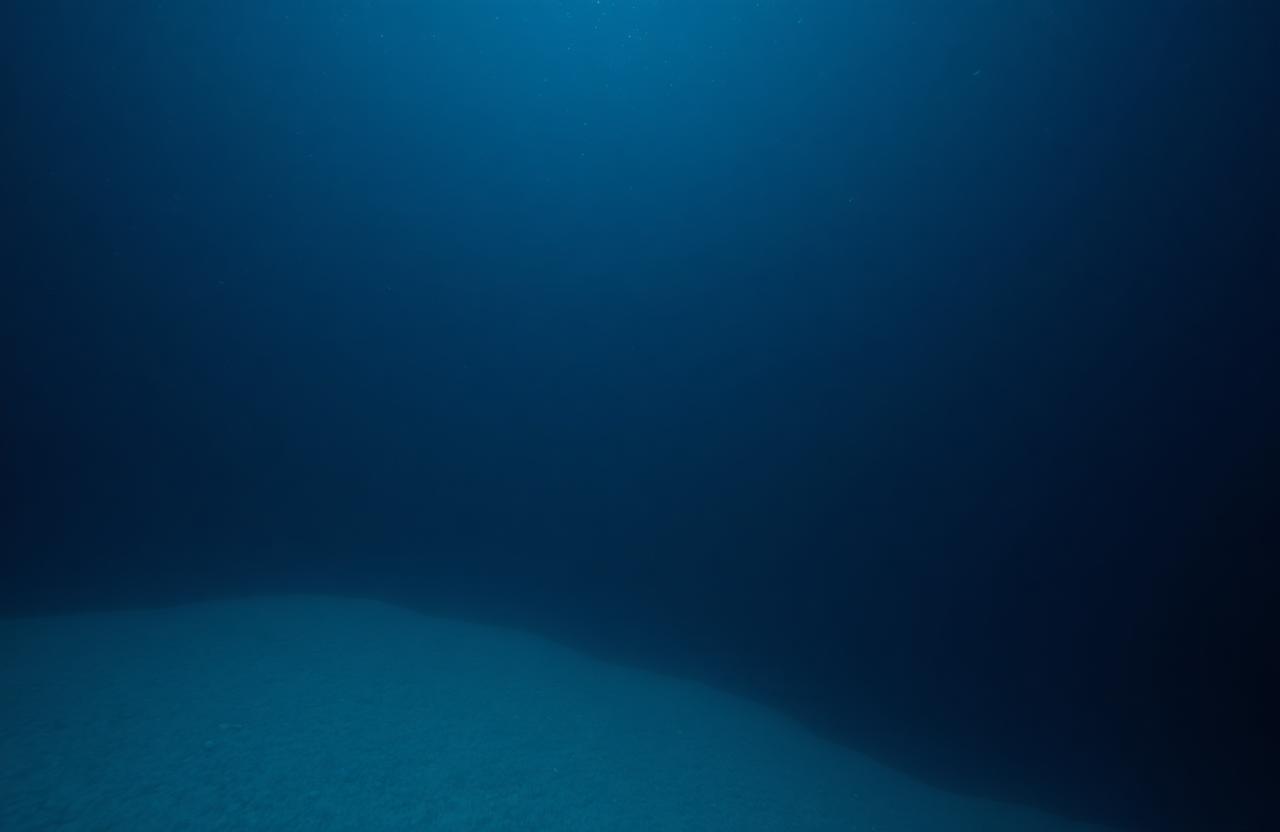
Life in the Midnight Zone: A Field Guide to the Bathypelagic
How animals survive between 1,000 and 4,000 meters of perpetual darkness
 Deep Sea Creatures Popular Science
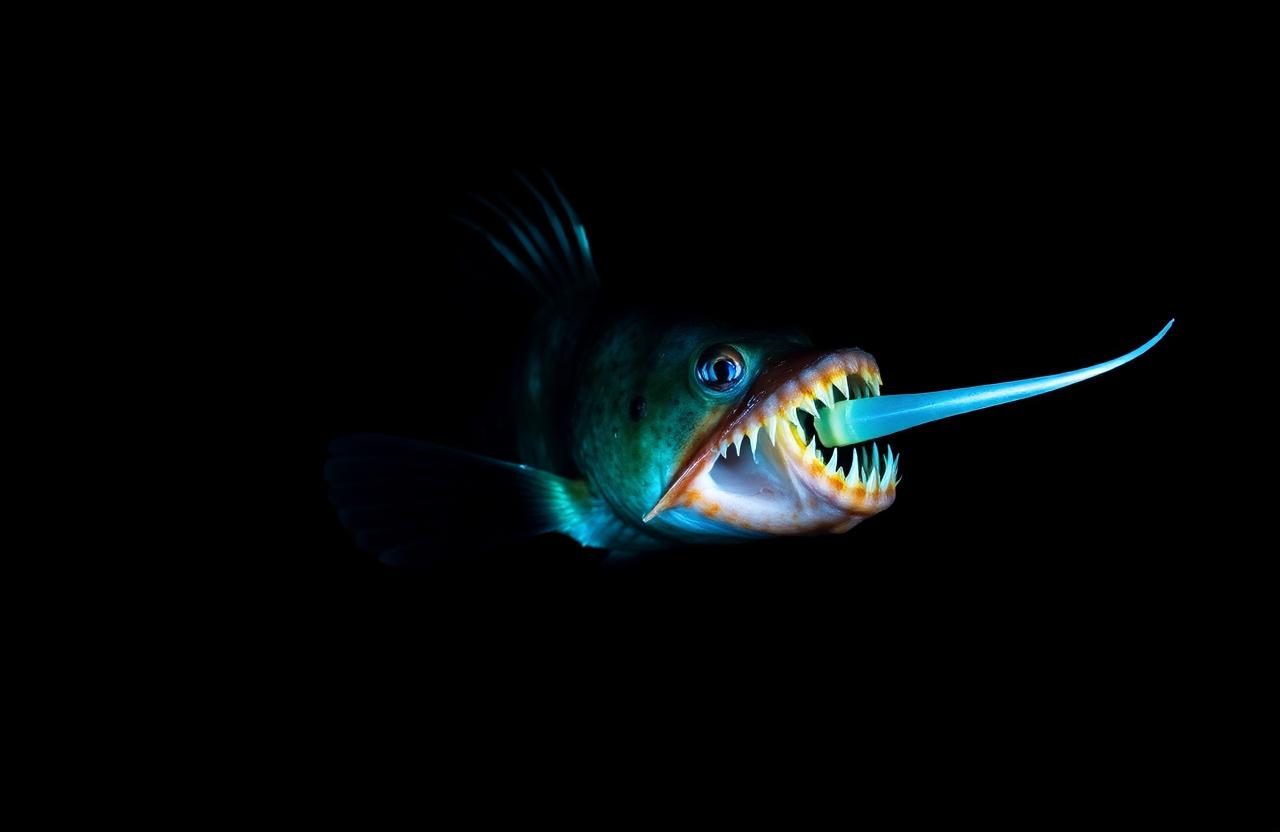
The Anglerfish's Lantern: Anatomy of a Deep-Sea Ambush Predator
How ceratioid anglerfishes evolved bacterial lures, extreme jaws, and parasitic males
 Deep Sea Creatures Popular Science
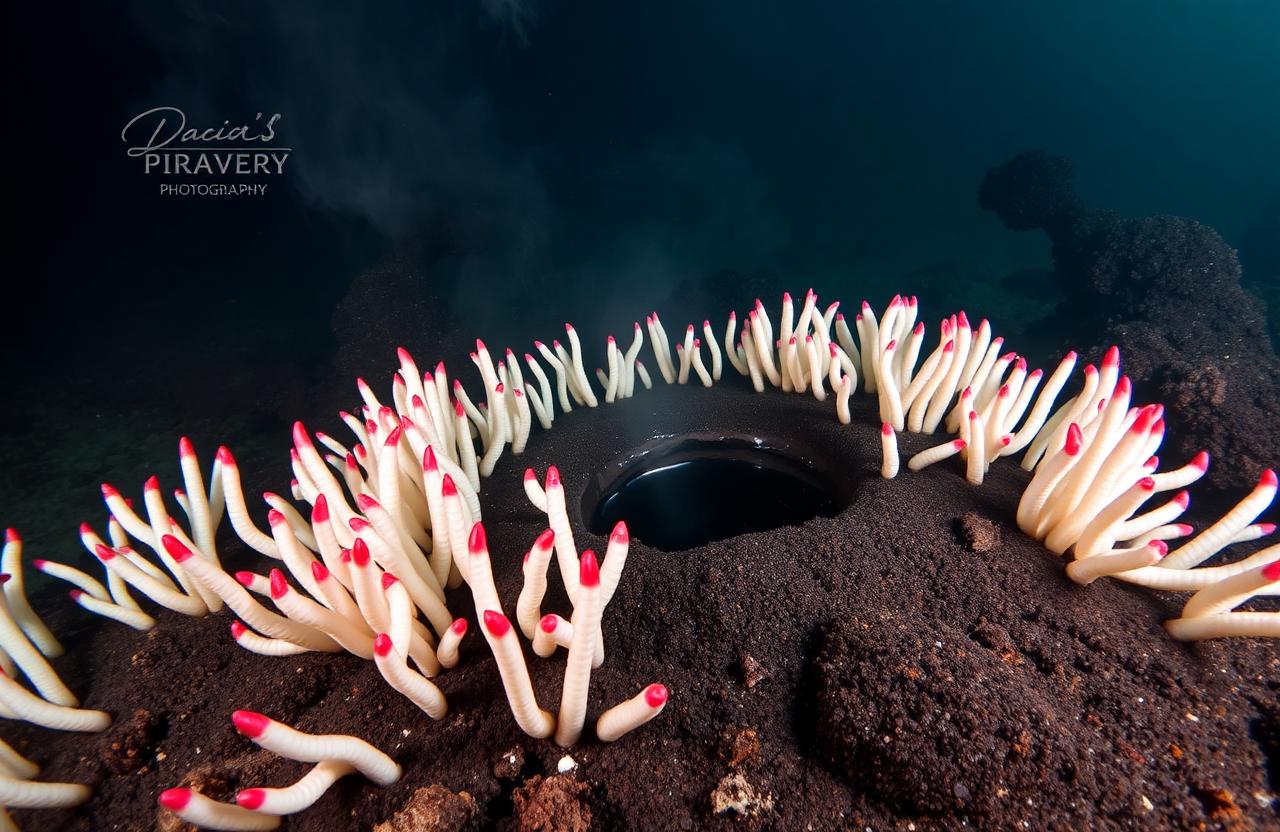
Hydrothermal Vents: Chemosynthesis and the Origins of Life
Superheated fluid, tube worms, and a food web that does not need the sun