Bringing the Deep Sea to the Surface: Hyperbaric Research Chambers
How pressure-retaining laboratories keep abyssal animals alive for study
Studying deep-sea animals under laboratory conditions has always been challenging because most species die within minutes of being brought to the surface. Rapid changes in pressure, temperature, and oxygen availability quickly overwhelm animals adapted to stable, high-pressure environments. To address this problem, several research groups have developed hyperbaric aquaria that maintain deep-sea pressures throughout the sampling, transport, and study process.
Pressure-retaining sampling devices are the first step in this workflow. They capture animals at depth inside sealed chambers that maintain ambient pressure as the sample is brought to the surface. Modern designs include ROV-deployed collection cylinders, isobaric gas-tight samplers, and specialized traps that close automatically once the target animal is inside. Successful sampling requires careful coordination between pilots and scientists to avoid damaging fragile specimens.
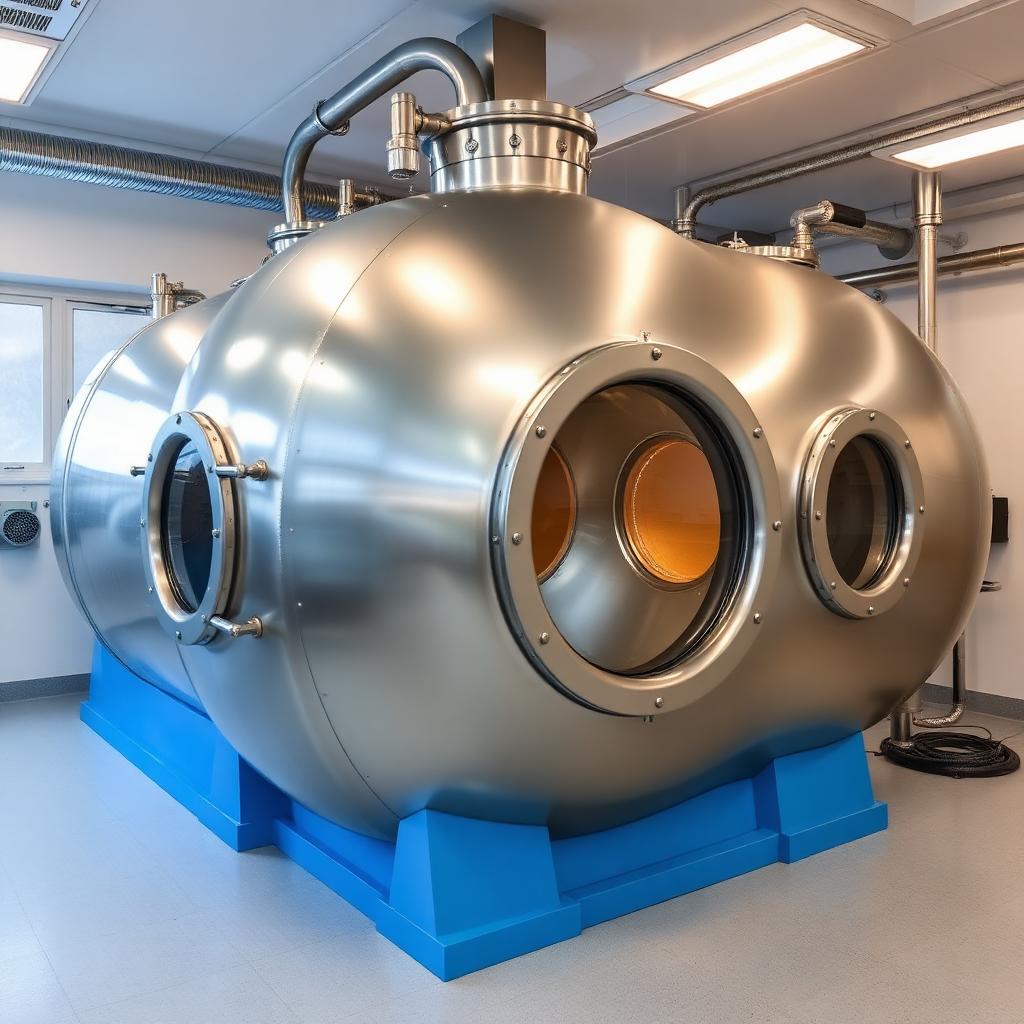
Once at the surface, samples are transferred into laboratory hyperbaric aquaria that can maintain pressures equivalent to depths of several thousand meters. These tanks are built from thick steel, use high-pressure pumps to maintain conditions, and include viewing ports for direct observation. Some systems allow water exchange, feeding, and even manipulation of animals through pressure-locked interfaces.
Research using hyperbaric aquaria has revealed physiological details that would be impossible to study from dead specimens alone. Metabolic rates, feeding behavior, growth patterns, and responses to environmental stressors can all be measured under realistic conditions. This has been particularly important for understanding how deep-sea animals might respond to climate change, ocean acidification, and other human-induced stressors.
One notable success has been the maintenance of hydrothermal vent animals under laboratory conditions. Tubeworms, mussels, and shrimp collected from vent fields have been kept alive for weeks or months in specialized hyperbaric systems, allowing detailed studies of their symbiotic bacteria, reproductive cycles, and stress responses. Similar work with anglerfishes, snailfishes, and other pelagic species is ongoing.
The technical challenges of hyperbaric research are considerable. Systems must maintain not only pressure but also temperature, water chemistry, and food supply over extended periods. Failure of any component can result in loss of irreplaceable specimens. Because the systems are expensive and require specialized expertise, they are concentrated at a small number of research institutions worldwide.
As hyperbaric technology matures, its integration with genomic, biochemical, and imaging tools is opening new research frontiers. Combining live animal studies with molecular analysis of the same individuals allows researchers to connect physiological observations with underlying genetic mechanisms. This kind of integrative work is gradually transforming deep-sea biology from a descriptive science into an experimental one.
Hyperbaric aquaria and pressure-retaining sampling systems let researchers study deep-sea animals under conditions that mimic their native habitat.
Continue reading
 Deep Sea Research Review
How Climate Change Reaches the Deep Ocean
Warming, deoxygenation, and acidification below the surface
 Deep Sea Research Review
A Review of Abyssal Fish Diversity Across Ocean Basins
How different basins support different abyssal fish communities
 Deep Sea Research Review
Citizen Science Comes to the Deep Sea
How volunteer image classification is accelerating deep-sea discovery