Citizen Science Comes to the Deep Sea
How volunteer image classification is accelerating deep-sea discovery
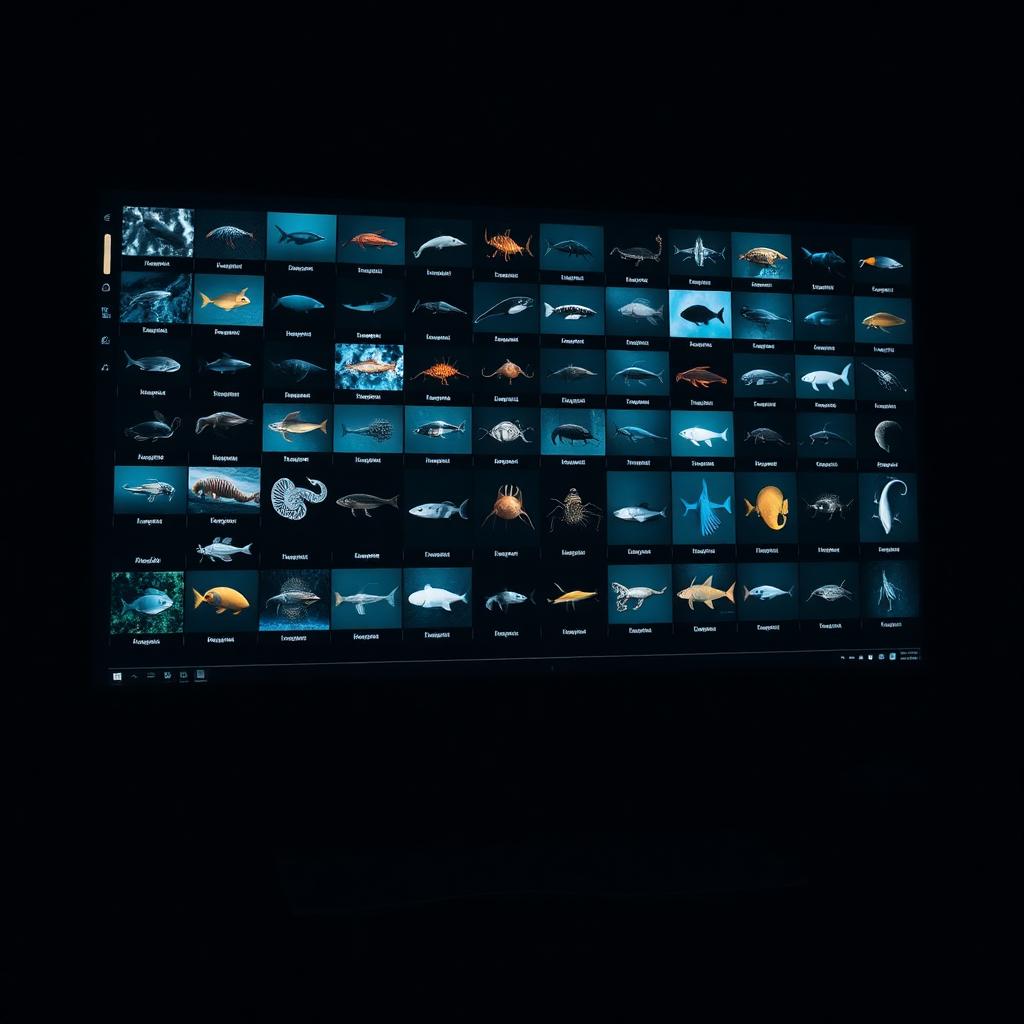
Modern deep-sea expeditions generate enormous amounts of imagery. A single remotely operated vehicle dive can produce hundreds of hours of high-definition video, and long-term seafloor observatories accumulate archives spanning years. Manually annotating this material has become a bottleneck for research. In response, several institutions have launched citizen science programs that invite volunteers to help classify deep-sea images and video.
Programs such as Deep Sea Spy, Squidle+, and various Zooniverse projects allow anyone with an internet connection to view underwater imagery and tag species, count organisms, or note interesting features. Volunteers receive training through simple tutorials and can begin contributing within minutes. Their classifications are typically cross-checked by multiple users and by expert reviewers to ensure quality.
The results have been substantial. Citizen scientists have contributed to species inventories in the Clarion-Clipperton Zone, identified previously undocumented behaviors in cold-water coral communities, and helped train machine learning models that can then automate simpler classification tasks. Some projects credit volunteer contributors as coauthors on peer-reviewed papers, formalizing recognition of their role.
Beyond scientific productivity, citizen science serves an important educational and communication function. Participants learn about deep-sea biology through direct engagement with real data, which is far more compelling than passive reading. Programs report high retention rates among engaged volunteers, some of whom go on to pursue formal education or careers in marine science. Public understanding of deep-sea issues, including mining and climate change, benefits from this direct exposure.
Challenges exist. Volunteer classifications are noisier than expert ones, and reliably identifying rare or cryptic species requires careful validation. Bias can enter through the selection of imagery shown to volunteers or through inconsistent training. Data curation and platform maintenance require sustained institutional support, which is not always secure. Nonetheless, the overall trajectory is positive, and best practices for combining volunteer and expert contributions continue to evolve.
Machine learning is transforming the field alongside citizen science. Models trained on volunteer-classified images can process new imagery automatically, flagging interesting frames for expert review. This creates a feedback loop in which volunteers help train models, models process new data, and both approaches feed into scientific analysis. Human judgment remains essential for rare or novel observations, but routine classification is increasingly automated.
Some programs are experimenting with new interfaces, including virtual reality tours of the seafloor and interactive visualizations of long-term time series. These approaches aim to make participation more engaging and to convey the scale and complexity of deep-sea data. Early results suggest that immersive interfaces can increase both participation and understanding, though they require more development resources.
For readers interested in getting involved, most citizen science programs are free and require only a web browser. A few hours per week can produce meaningful contributions to real research. It is one of the most direct ways for members of the public to participate in deep-sea science, and it demonstrates that expertise is not the only path to scientific contribution. Curiosity, patience, and careful attention are equally valuable inputs to research.
Volunteer efforts to classify deep-sea images are helping researchers process massive datasets and identify rare species.
Continue reading
 Deep Sea Research Review
How Climate Change Reaches the Deep Ocean
Warming, deoxygenation, and acidification below the surface
 Deep Sea Research Review
A Review of Abyssal Fish Diversity Across Ocean Basins
How different basins support different abyssal fish communities
 Deep Sea Research Review
Tubeworm Symbiosis and the Evolution of Chemoautotrophy
How Riftia and its relatives illuminate a fundamental mode of life