How Climate Change Reaches the Deep Ocean
Warming, deoxygenation, and acidification below the surface
Discussions of climate change often focus on air temperature, extreme weather, and surface conditions. The deep ocean, out of sight and slow to change, is easy to leave out of the picture. Yet the deep ocean is one of the most important components of the climate system. It absorbs most of the excess heat trapped by greenhouse gases, stores enormous quantities of carbon, and integrates surface changes over decades to millennia. Recent research shows that climate signals are reaching well below the surface and reshaping deep-sea biology.
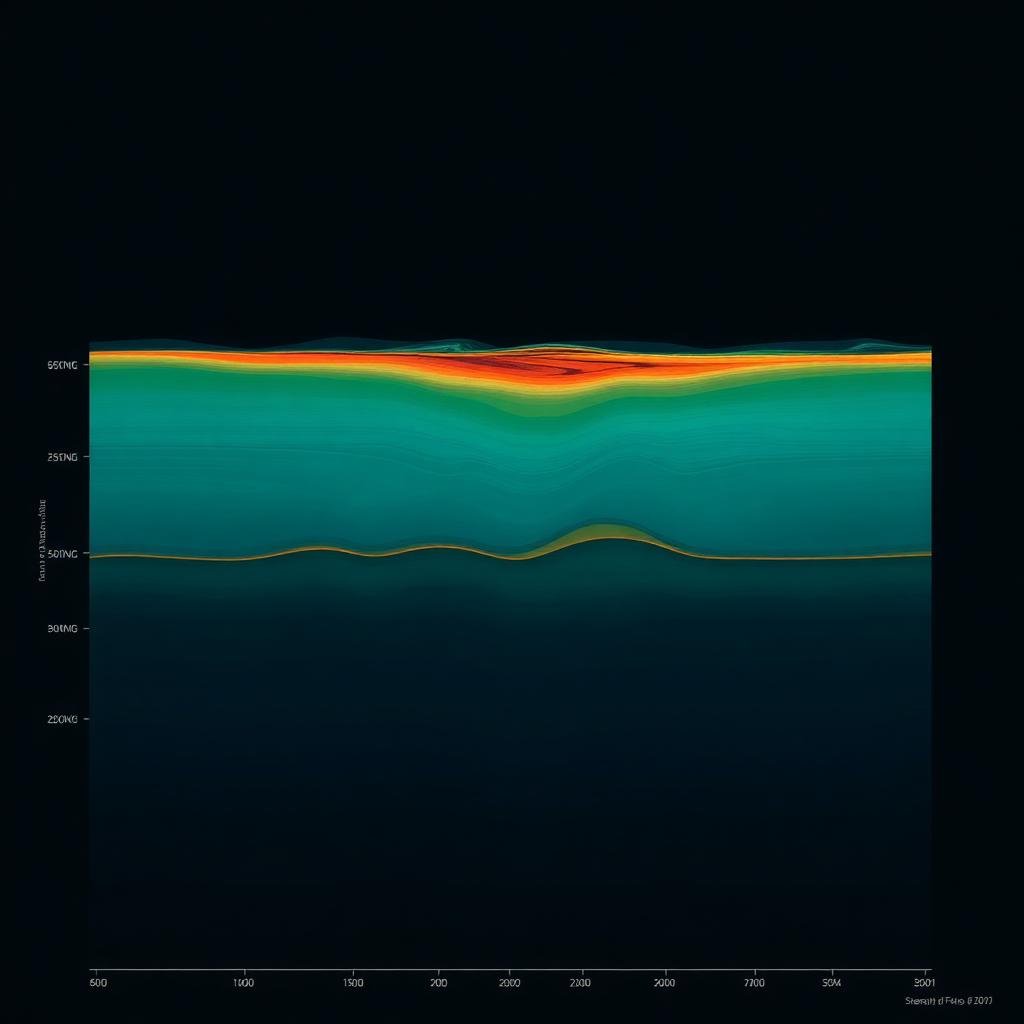
Warming is the most straightforward change. The upper two thousand meters of the ocean have absorbed roughly ninety percent of the additional heat associated with anthropogenic climate change over recent decades. That warming penetrates gradually into deeper layers as heat mixes downward along overturning circulation pathways. Bottom waters formed today around Antarctica and in the North Atlantic are already measurably warmer than those formed in preindustrial times, and this warmed water eventually spreads throughout the deep ocean.
Deoxygenation is a second, subtler change. Warmer water holds less dissolved oxygen, and increased stratification of the upper ocean reduces the delivery of oxygen from surface to depth. Many mesopelagic regions have experienced measurable declines in oxygen over the past half century. Some oxygen-minimum zones are expanding both vertically and horizontally. For many animals, oxygen availability is as important as temperature, and shifts of even a few percent can compress or expand available habitat.
Acidification affects the deep ocean more slowly than the surface, but it is real. As surface waters absorb carbon dioxide, they become more acidic. Over decades to centuries, acidified water is transported downward through overturning circulation and along density surfaces. Deep-water species that build calcium carbonate skeletons, including cold-water corals and some pteropod-like animals, face gradually increasing difficulty maintaining their skeletons as acidification proceeds.
Biological consequences are already appearing. Long-term monitoring programs have documented northward and downward range shifts in many midwater species, changes in seasonal timing of vertical migrations, and shifts in community composition on continental slopes. Deep-sea coral communities in some regions show reduced growth rates or altered species mixes. Amphipod populations in some trench systems show elevated pollutant burdens that interact with physiological stress from environmental change.
Some feedbacks between deep-sea change and the climate system are potentially large. Warming may destabilize methane hydrate deposits along continental margins, releasing methane that is a potent greenhouse gas. Changes in deep-sea biology could alter the biological pump, affecting how much carbon is stored on long time scales. Modeling these feedbacks is difficult because it requires linking physical oceanography, biogeochemistry, and ecology across enormous spatial scales.
Monitoring the deep ocean is expensive and slow. Ship-based programs, autonomous floats such as the deep Argo network, and long-term seafloor observatories all contribute pieces of the picture. Improving coverage and continuity of these observing systems is critical, since gaps in the record can obscure genuine trends or produce spurious ones. International coordination through programs such as the Global Ocean Observing System has made real progress but still has significant funding shortfalls.
For public communication, the challenge is to convey that the deep ocean is not immune to climate change. It is slow to respond, but its slow response is precisely what makes it so important. What we do today at the surface will continue to affect deep-sea ecosystems long after we have stopped emitting excess carbon. Understanding that connection is essential to any honest conversation about the future of the ocean.
Climate change is often described as a surface phenomenon, but its signals reach thousands of meters down and reshape the biology of the deep ocean.
Continue reading
 Deep Sea Research Review
A Review of Abyssal Fish Diversity Across Ocean Basins
How different basins support different abyssal fish communities
 Deep Sea Research Review
Citizen Science Comes to the Deep Sea
How volunteer image classification is accelerating deep-sea discovery
 Deep Sea Research Review
Tubeworm Symbiosis and the Evolution of Chemoautotrophy
How Riftia and its relatives illuminate a fundamental mode of life