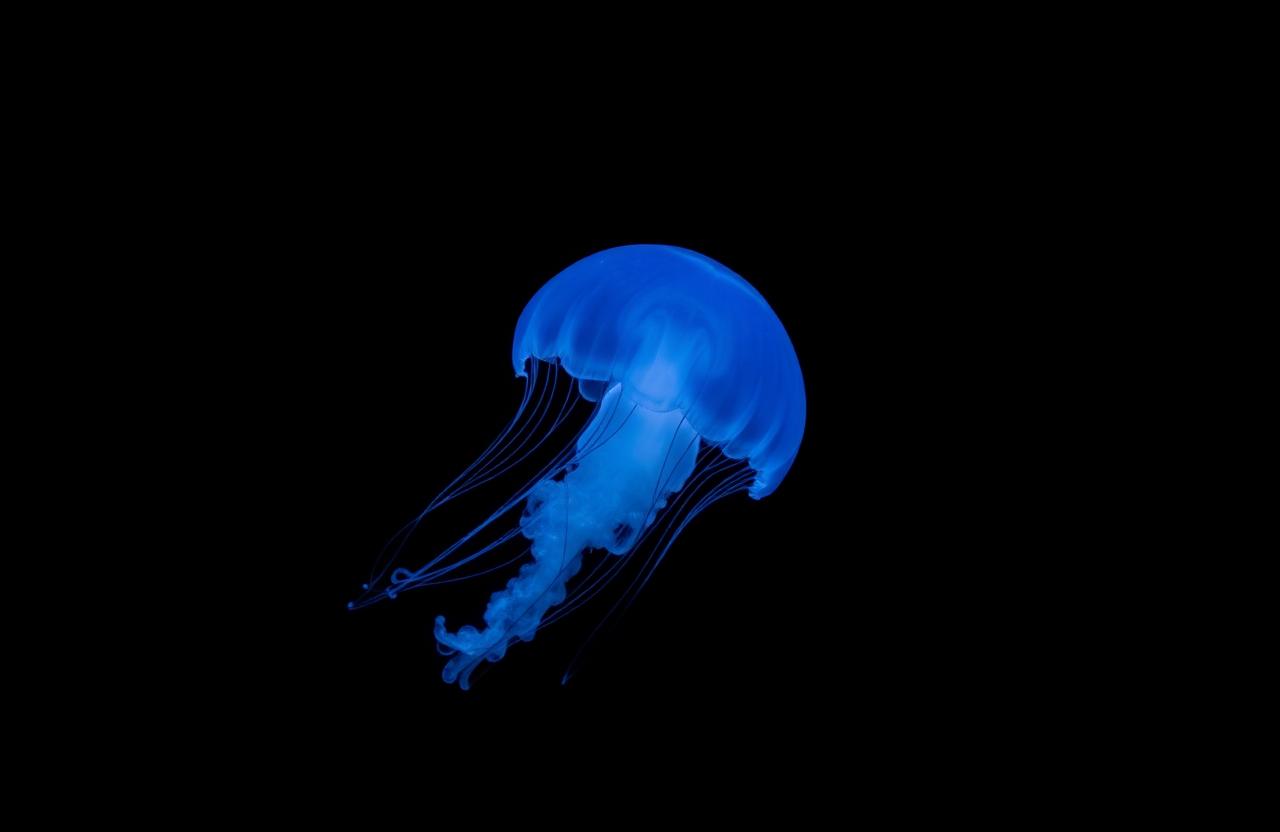
The Quiet Dominance of Gelatinous Zooplankton
Jellyfish, siphonophores, and ctenophores as engineers of the midwater
Gelatinous zooplankton, including jellyfish, siphonophores, and ctenophores, are among the most abundant animals in the deep sea. They are also among the most underestimated. Traditional net-based surveys damage their soft bodies and often reduce them to unidentifiable fragments, causing them to be systematically undercounted in older biomass estimates. Modern in situ observation using submersibles, remotely operated vehicles, and holographic cameras has revealed that gelatinous animals dominate many midwater communities by both number and volume.
These animals share a common structural theme. Their tissues are largely water, held together by delicate networks of collagen and mesoglea. This construction is inexpensive in metabolic terms, which is a major advantage in the food-poor deep sea. It also allows large body sizes to be reached with minimal investment in dense tissues. Some siphonophores extend to more than thirty meters, making them among the longest animals on Earth despite their fragile appearance.
Ecologically, gelatinous zooplankton play multiple roles. Many are predators, capturing smaller zooplankton with stinging cells or sticky mucus. Some are filter feeders, using cilia or specialized mucus nets to capture drifting particles. Others, such as certain siphonophores, are colonial organisms in which specialized individuals within a single colony carry out different functions, from swimming to prey capture to reproduction. This division of labor is one of the most extreme examples of biological cooperation known.
As predators, jellyfish and their relatives can consume large quantities of larval fish and small crustaceans. Their impact on food webs is not limited to what they eat directly. Their carcasses, sometimes called jelly-falls, sink rapidly to the seafloor when population blooms collapse. These carcasses provide pulses of high-quality food to benthic communities, contributing to carbon transport from the surface to the deep sea in ways that traditional carbon-flux models have often underestimated.
Population dynamics of gelatinous zooplankton are difficult to characterize. They can undergo dramatic blooms lasting weeks to months, followed by rapid collapses. Some blooms are driven by seasonal food availability, others by temperature changes or shifts in circulation. In several regions, apparent long-term increases in jellyfish abundance have raised concerns that eutrophication, warming, and overfishing of jellyfish predators may be creating conditions that favor gelatinous animals over fishes.
Studying these animals requires care. Nets and even suction samplers can rip apart siphonophores and ctenophores. High-resolution video from submersibles and remotely operated vehicles, combined with careful specimen collection using purpose-built enclosed samplers, allows researchers to describe morphology and behavior while causing minimal damage. Environmental DNA sampling is also becoming a useful tool, since even damaged gelatinous animals leave detectable genetic traces in the water.
For fisheries and coastal managers, gelatinous zooplankton are increasingly important. Jellyfish swarms have clogged intake pipes at power plants, damaged fishing gear, and disrupted aquaculture operations. Understanding what triggers blooms, how they propagate, and how they interact with other components of the food web is now a major research priority, and much of the relevant biology has its roots in deep-sea research.
As a broader lesson, gelatinous zooplankton show how easily an entire class of animals can be overlooked when sampling technology is not matched to biology. What was once treated as a nuisance or a curiosity is now recognized as a central component of many ocean ecosystems. Correcting that oversight has changed our understanding of the ocean food web and the global carbon cycle at the same time.
Gelatinous animals often dominate deep-sea biomass and food webs, yet they remain undercounted by traditional survey methods.
Continue reading
 Deep Sea Creatures Popular Science
Life in the Midnight Zone: A Field Guide to the Bathypelagic
How animals survive between 1,000 and 4,000 meters of perpetual darkness
 Deep Sea Creatures Popular Science
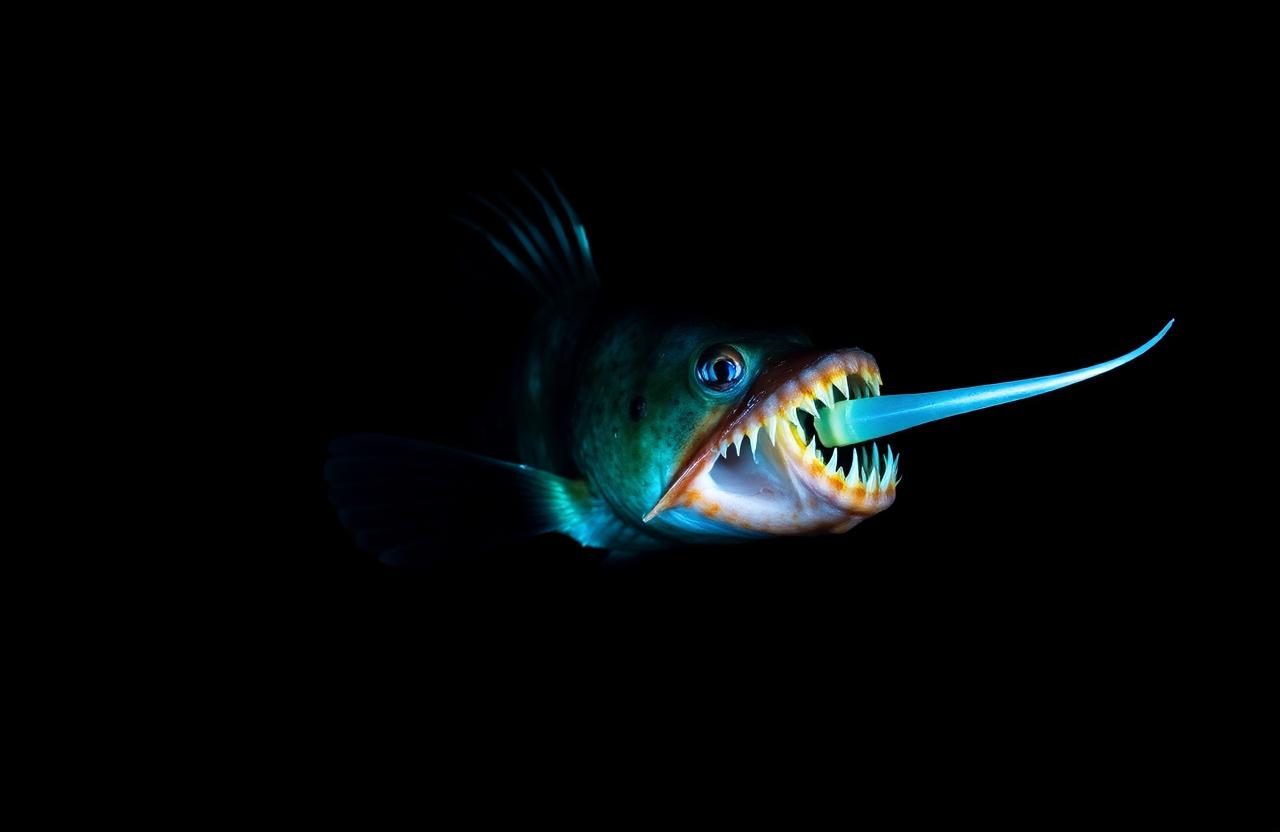
The Anglerfish's Lantern: Anatomy of a Deep-Sea Ambush Predator
How ceratioid anglerfishes evolved bacterial lures, extreme jaws, and parasitic males
 Deep Sea Creatures Popular Science
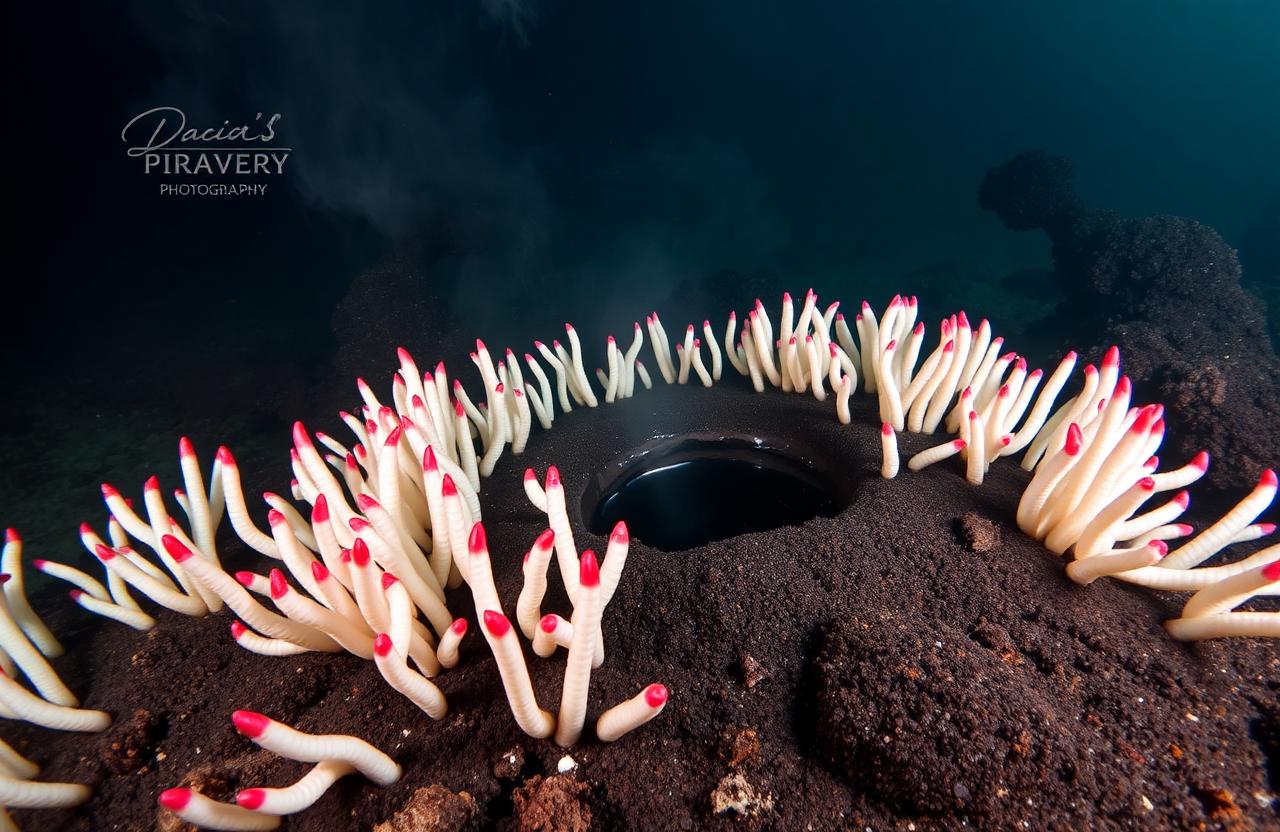
Hydrothermal Vents: Chemosynthesis and the Origins of Life
Superheated fluid, tube worms, and a food web that does not need the sun