The Frilled Shark: A Deep-Sea Living Fossil
Chlamydoselachus anguineus keeps a body plan that predates most modern sharks
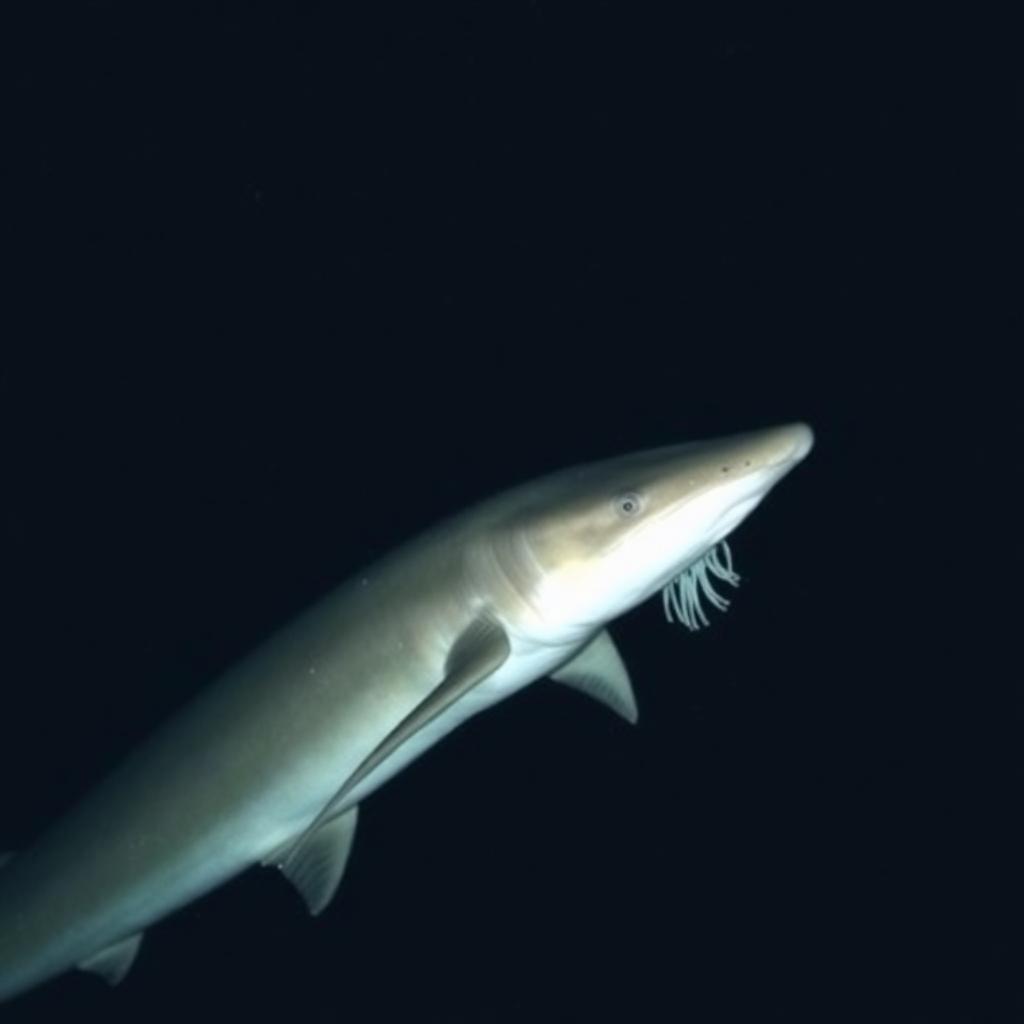
The frilled shark, Chlamydoselachus anguineus, is often described as a living fossil. Its body plan resembles that of shark lineages known from fossils more than eighty million years old, and its anatomy has changed relatively little compared with most modern sharks. It has a long, eel-like body, six pairs of frilly gill slits along its neck, and a mouth full of small, three-pronged teeth arranged in dense rows.
The species lives in outer continental shelf and upper slope waters around the world, typically at depths between five hundred and one thousand five hundred meters. It is rarely seen alive because it seldom comes to the surface. The few individuals filmed near the surface have usually been sick or dying, which is why nearly every viral video of a frilled shark shows an animal in poor condition. Healthy adults remain in the cold, dark waters where they evolved.
The frilled shark's jaw is one of its most distinctive features. Unlike modern sharks, whose jaws are attached to the skull with a hinge that allows powerful biting, the frilled shark's jaw extends much further along the underside of its head. This lets it open its mouth extremely wide and swallow large prey whole, much like a snake. The many rows of small hooked teeth then prevent the prey from escaping backward.
Diet studies based on stomach contents suggest that frilled sharks feed heavily on cephalopods, especially squids. Some individuals contain fresh remains of species that are otherwise fast swimmers, which raises the question of how the frilled shark catches them. One hypothesis is that the shark strikes suddenly from ambush, using a coiled-spring motion to lunge forward and swallow prey before it can react. Another possibility is that it targets sick, injured, or dying squids.
Reproduction in frilled sharks is unusual and slow. Females are ovoviviparous, meaning eggs develop inside their bodies and the young are born as fully formed miniature sharks. Gestation is estimated to last more than three years, one of the longest known for any vertebrate. Litters typically contain between two and fifteen pups, and the reproductive rate is low enough that populations recover slowly from any kind of disturbance.
This slow reproduction, combined with the species' widespread but sparse distribution, makes the frilled shark potentially vulnerable to deep-water bycatch. Trawl fisheries operating on continental slopes occasionally catch frilled sharks as unintended bycatch, and there is limited data on population trends. International conservation assessments currently list the species as Least Concern globally, but stress that better monitoring is needed in many regions.
For deep-sea enthusiasts, the frilled shark is a compelling reminder that some evolutionary experiments never really ended. Its body plan works well in the environment it occupies, and it has continued largely unchanged while most other shark lineages diversified into the shapes familiar today. In its cold, dim world it is not a curiosity but a specialist that has quietly outlasted almost everything else.
The frilled shark's long body, primitive jaw, and rare surface appearances make it one of the most distinctive members of deep-sea fauna.
Continue reading
 Deep Sea Species Gallery
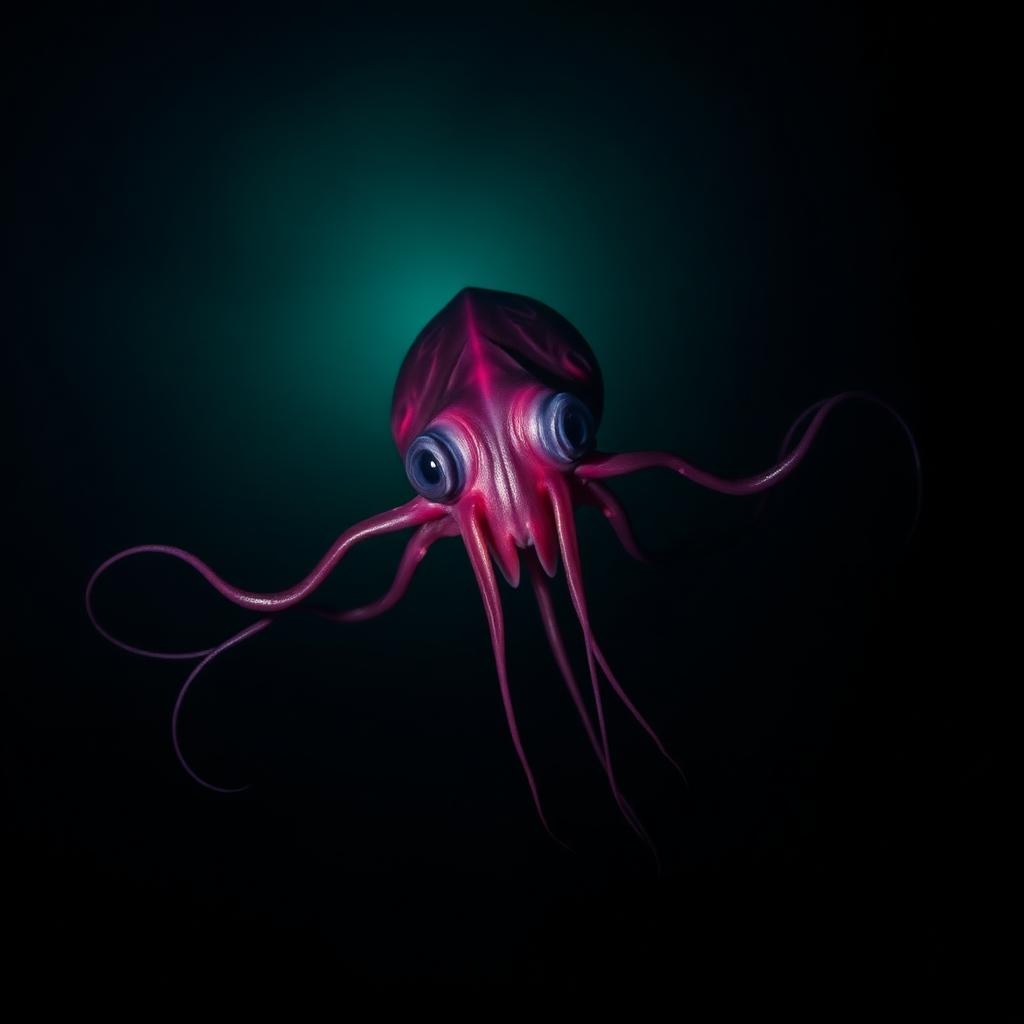
Vampyroteuthis infernalis: The Cephalopod That Is Neither Squid Nor Octopus
A gentle detritivore that has survived nearly unchanged for hundreds of millions of years
 Deep Sea Species Gallery
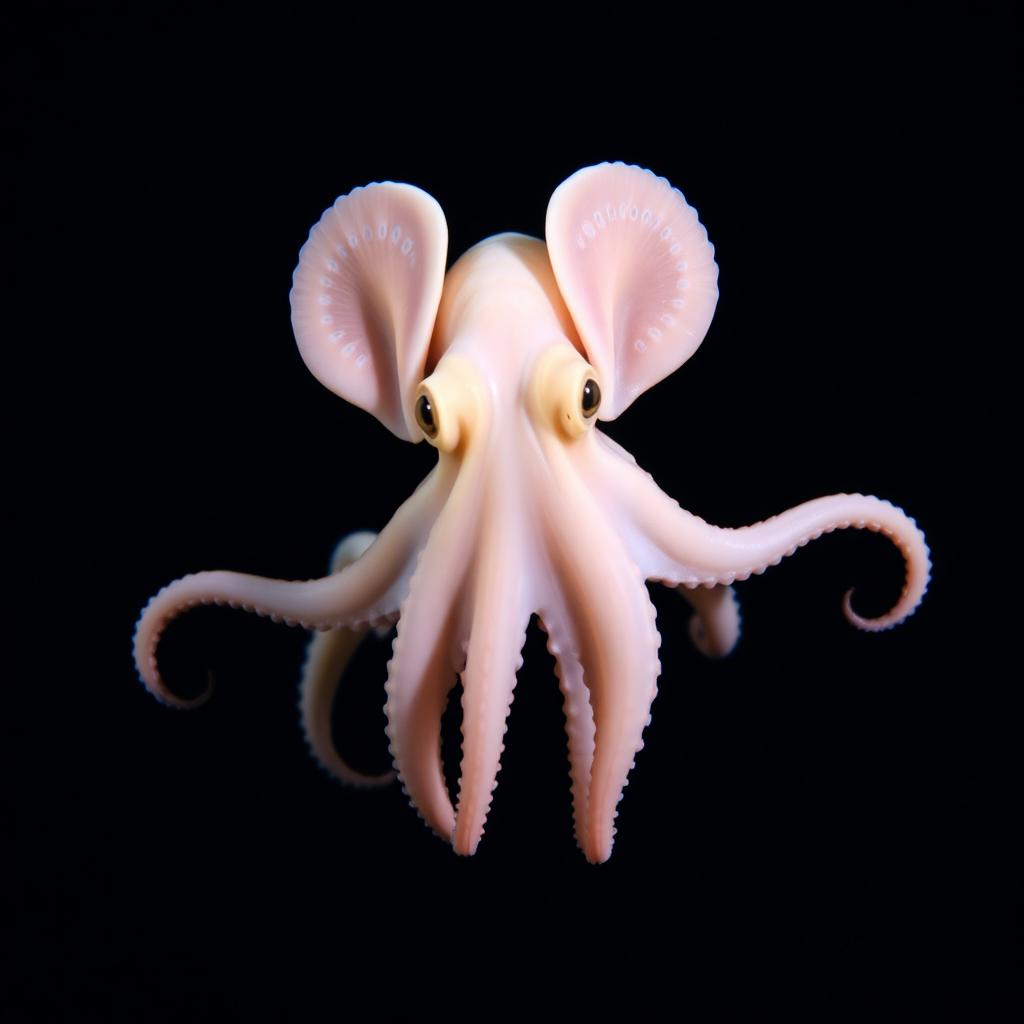
Dumbo Octopus: The Deep's Gentle Wanderer
Grimpoteuthis species that flap through the abyss on ear-like fins
 Deep Sea Species Gallery
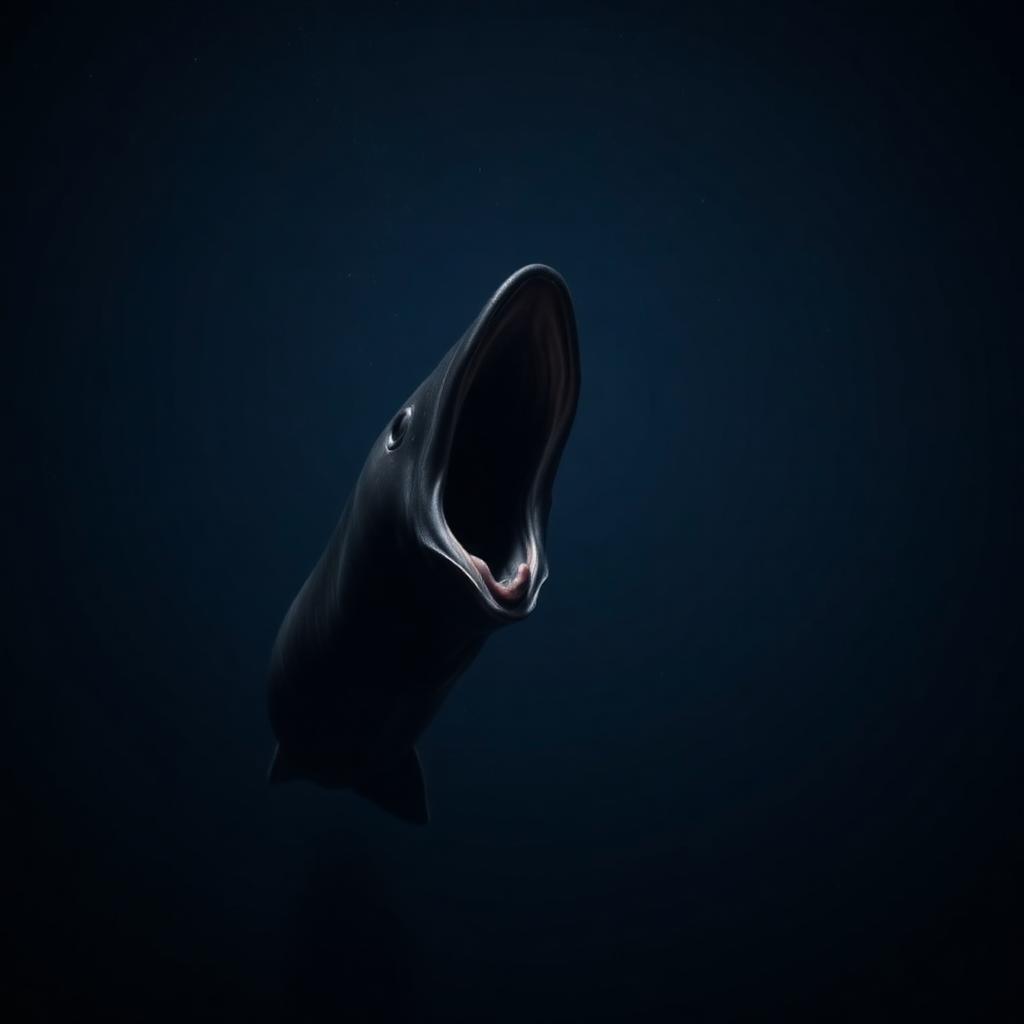
Gulper Eel: A Living Fishing Net
Eurypharynx pelecanoides and the anatomy of extreme swallowing