The Deep-Sea Mining Debate: Where Science and Policy Meet
How the international community is grappling with a new industrial frontier
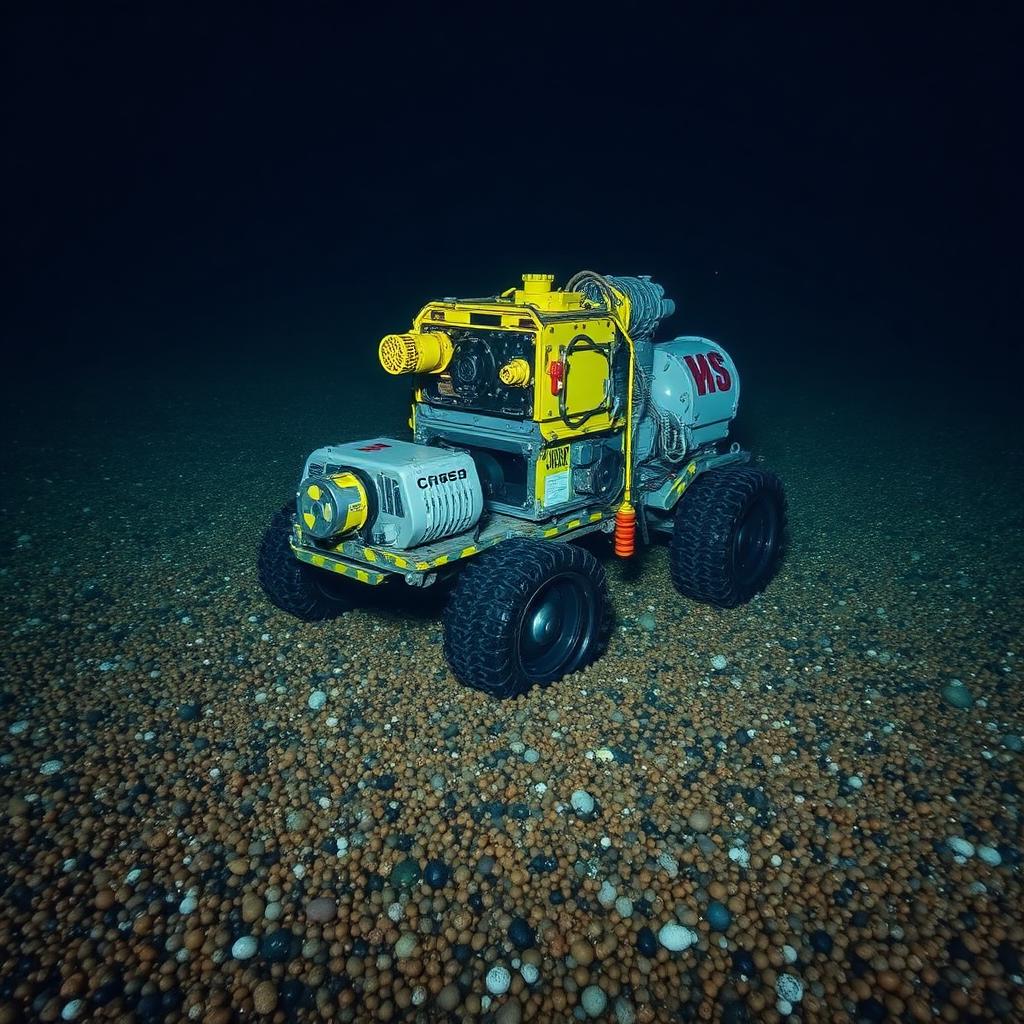
Deep-sea mining has moved from a distant possibility to an active policy question in only a few years. Proposals target three main resource types: polymetallic nodules on abyssal plains, seafloor massive sulfides at hydrothermal vent fields, and cobalt-rich crusts on seamounts. Each type presents different technical challenges, environmental risks, and regulatory considerations, and the international community has struggled to develop coherent frameworks for managing them.
The International Seabed Authority, established under the United Nations Convention on the Law of the Sea, has responsibility for regulating mining in international waters. It has issued exploration contracts to sponsoring states and their contractors covering large areas of the Pacific and Indian Oceans. Commercial-scale exploitation regulations remain under negotiation, and the resulting delays have become a source of friction between contractors eager to proceed and states and civil society groups concerned about environmental impacts.
Scientific understanding of deep-sea communities in mineral-rich areas remains incomplete. The Clarion-Clipperton Zone, for example, hosts hundreds of newly described species associated with polymetallic nodules, and comprehensive inventories are far from complete. Removing nodules would eliminate the physical structure that many species depend on, and sediment plumes generated by mining could affect broader areas of seafloor. Recovery rates for disturbed communities are essentially unknown but likely slow, given the general biology of deep-sea species.
Advocates for deep-sea mining argue that demand for battery metals, driven partly by the energy transition, makes seafloor resources necessary and that mining impacts should be weighed against terrestrial alternatives. Critics counter that recycling, alternative battery chemistries, and improvements in terrestrial mining offer paths to reduce demand for new deep-sea extraction, and that the deep sea should not become another sacrifice zone for consumer goods.
A growing coalition of countries, companies, and civil society organizations has called for a moratorium or precautionary pause on commercial mining until scientific understanding matures. Several major automakers and battery manufacturers have pledged not to use minerals sourced from deep-sea mining, at least under current knowledge. Other countries and companies argue that a pause would delay important economic opportunities and shift responsibility to less regulated actors.
Beyond biology and economics, deep-sea mining raises questions of governance and equity. Many potential mining areas are far from the countries that would benefit most from extraction, and revenue sharing under existing frameworks remains contested. Indigenous groups and small island states, whose ocean-connected cultures span generations, have called for stronger voice in decision-making processes. The tension between global commons principles and national or corporate interests is a recurring theme.
Scientifically, the discussion has driven new research programs. Baseline surveys, in situ experiments, and long-term monitoring plans have all received increased funding, though not always at the scale needed. Modeling studies of sediment plume transport, recolonization dynamics, and cumulative impacts across multiple mining sites are advancing rapidly. Open publication and data sharing have become expected norms, partly under pressure from civil society groups demanding transparency.
For readers new to the topic, deep-sea mining is a compact illustration of how modern environmental issues intersect science, policy, economics, and ethics. There is no simple answer, and decisions made in the coming decade will shape the deep ocean for generations. Careful, honest engagement with the full complexity of the debate is more valuable than easy slogans on any side.
Proposals to mine polymetallic nodules and massive sulfides from the deep sea have become one of the most contentious topics in ocean policy.
Continue reading
 Deep Sea Latest News
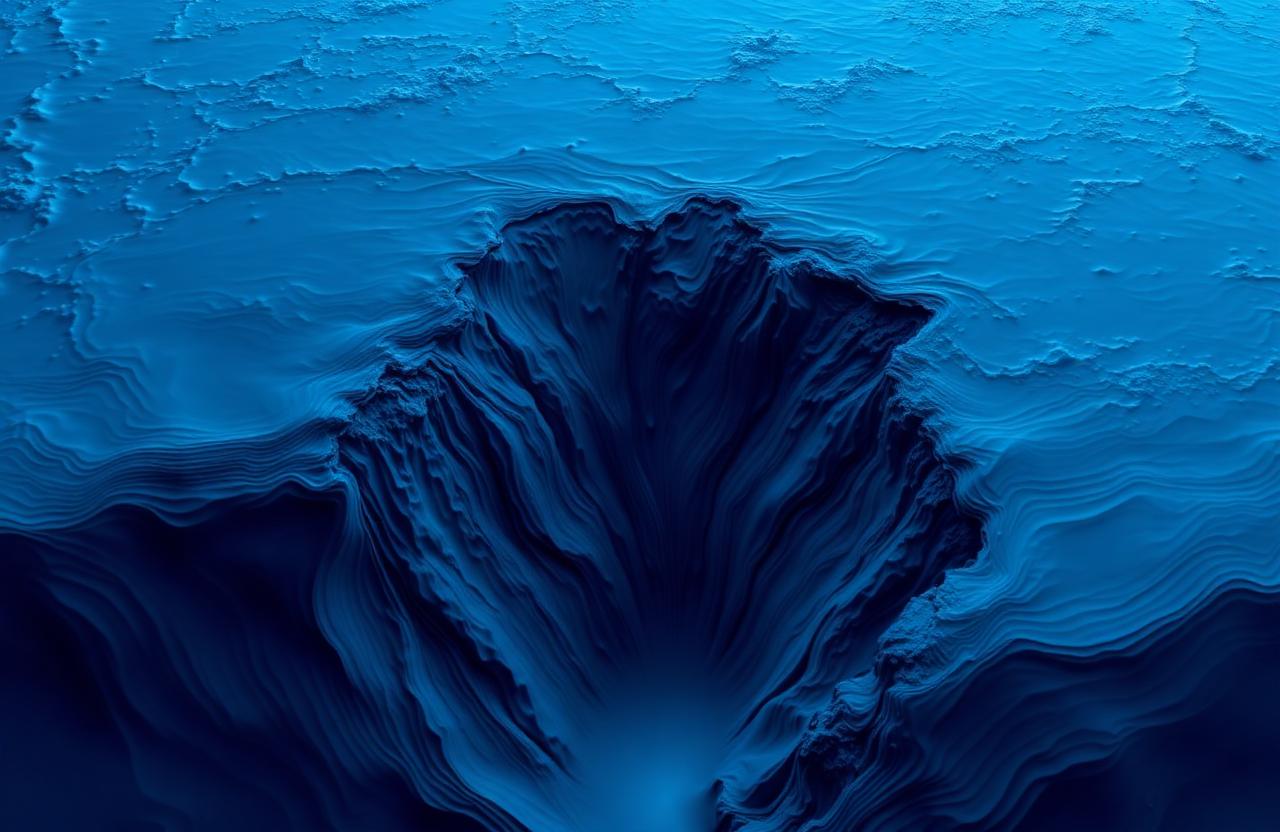
New High-Resolution Bathymetry Released for the Mariana Trench
A multinational survey publishes the sharpest map yet of the deepest place on Earth
 Deep Sea Latest News
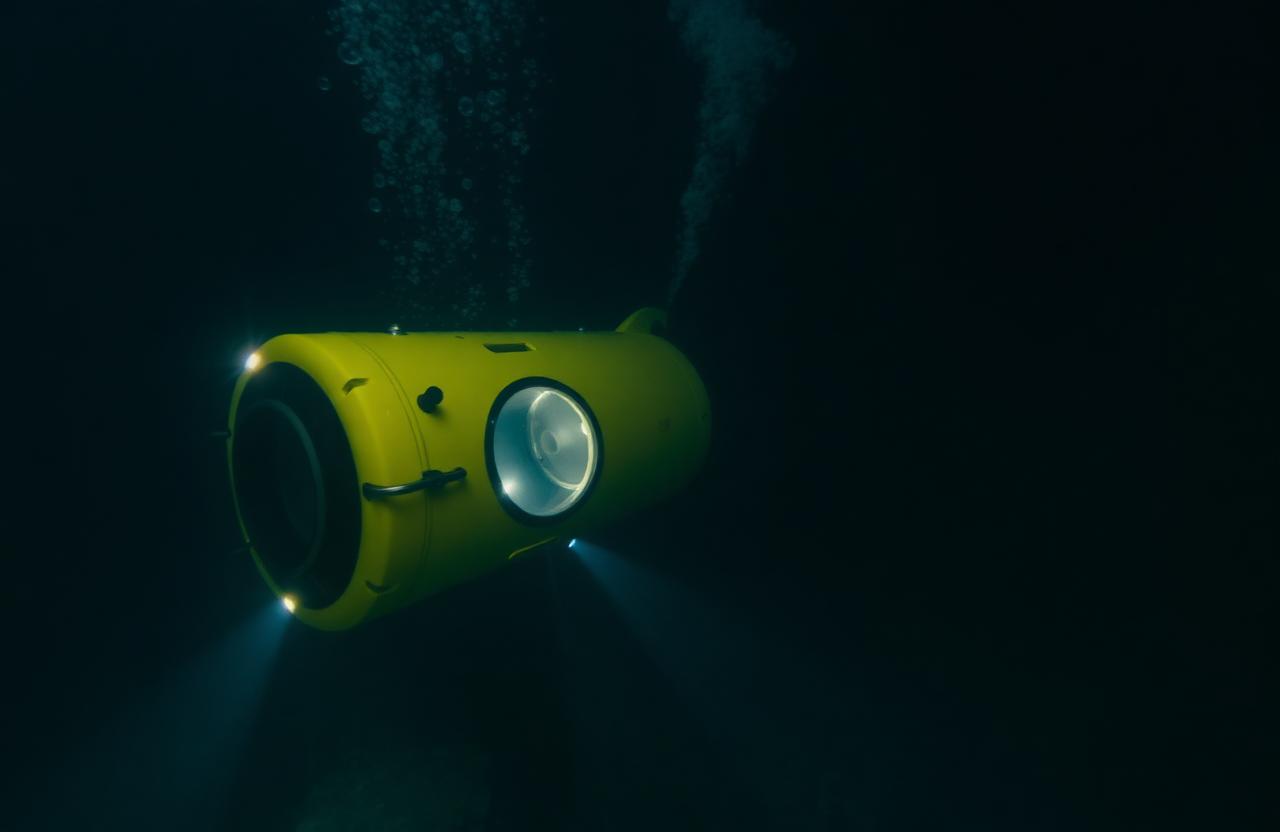
New Certification Rules Announced for Crewed Deep-Sea Submersibles
International bodies coordinate on stricter inspection and depth-rating standards
 Deep Sea Latest News
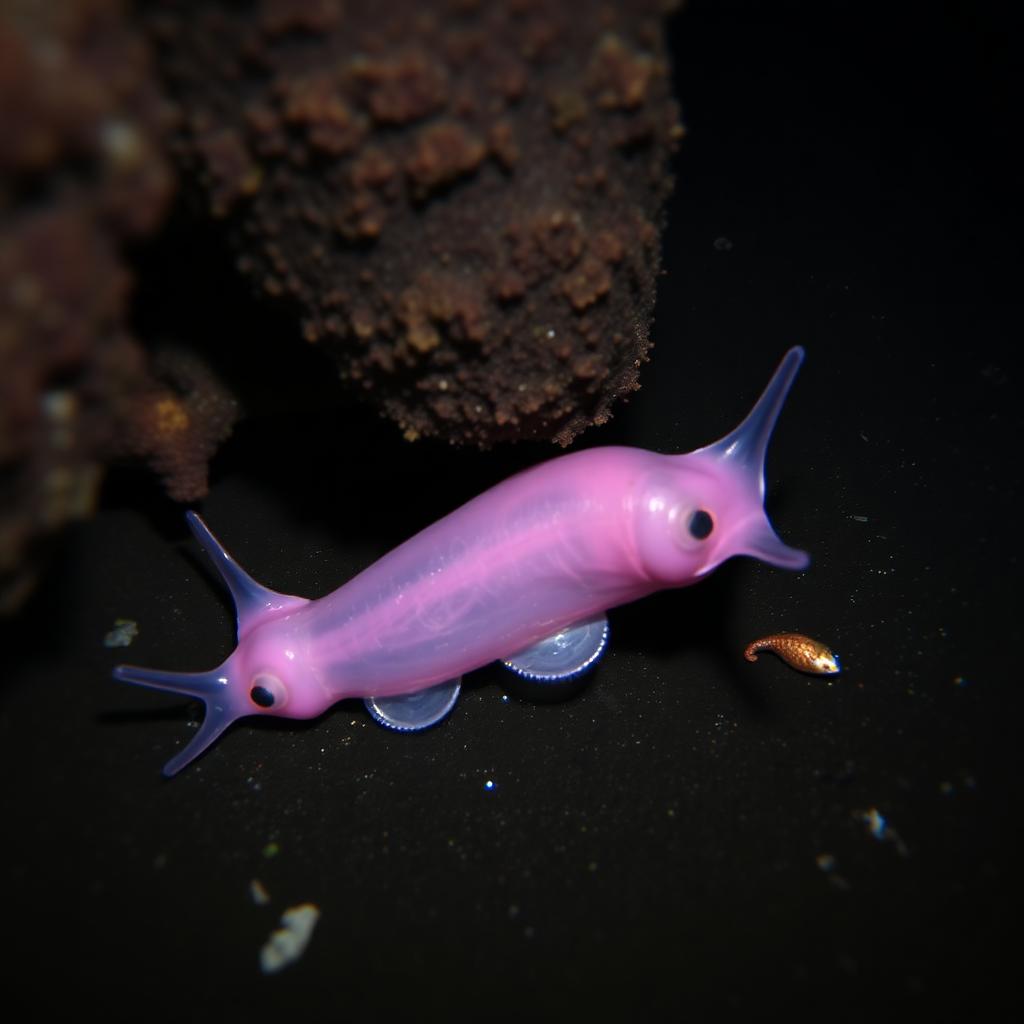
Snailfish Set New Depth Record in the Izu-Ogasawara Trench
Video captured at 8,336 meters extends the known depth range of vertebrate life