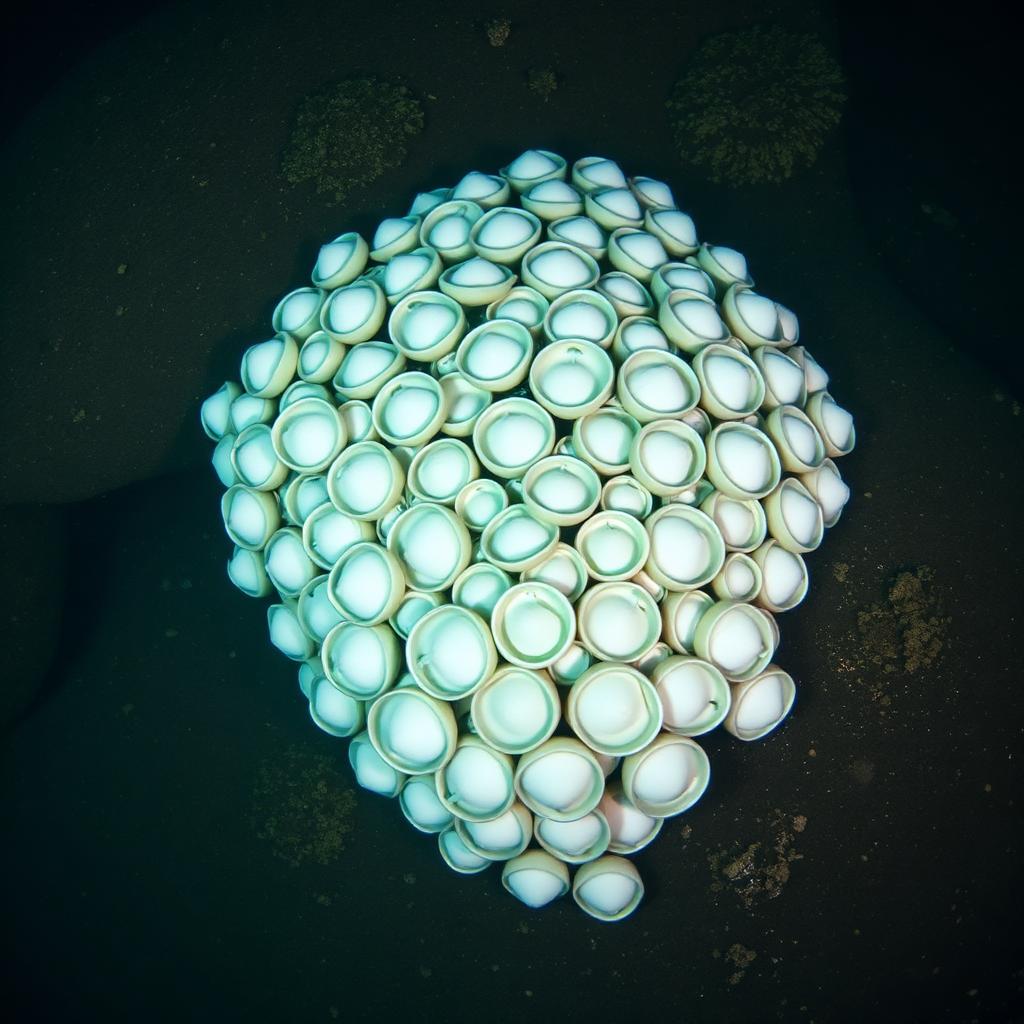
Chemosymbiotic Clams at Cold Seeps
How bivalves partner with microbes to thrive on methane and sulfide
Cold seeps are areas of the seafloor where methane, hydrogen sulfide, and other reduced compounds escape from sub-seafloor sediments at ambient water temperatures. Unlike hydrothermal vents, they are not associated with volcanic heat. Instead, they form where deep sediment reservoirs release chemically rich fluids through fractures, mud volcanoes, or dissociating methane hydrates. The communities that grow around cold seeps rival hydrothermal vents in complexity, and among their most visible residents are large bivalves such as vesicomyid clams and bathymodiolin mussels.
These bivalves host chemosymbiotic bacteria inside their gill tissues. The bacteria oxidize methane or sulfide compounds available at the seep and fix inorganic carbon into organic molecules, providing nutrients to the host. In return, the host provides a stable habitat, oxygen delivery through its own respiratory system, and a supply of the reduced compounds it collects from the surrounding fluid. The partnership is so complete that many species have reduced or lost the ability to feed on external food.
Cold-seep clam beds can be enormous. Fields of Calyptogena and related genera cover square kilometers of seafloor in some regions, forming pale, dense mats that stand out sharply against the surrounding sediment. Bathymodiolin mussels build similar structures around methane seeps, sometimes intermingling with chemosymbiotic tubeworms and specialized shrimp. The physical structure of these bivalve beds provides habitat for many additional species, including polychaete worms, small crustaceans, and juvenile fishes.
Chemosymbiosis is not restricted to cold seeps. It also underpins the tubeworm and mussel communities at hydrothermal vents and appears in some wood- and whale-fall communities. The recurring pattern shows how flexible the strategy of hosting internal chemosynthetic bacteria has become in deep-sea invertebrates. Genetic studies suggest that this partnership has evolved independently in multiple lineages, each time in response to reliable local sources of reduced chemistry.
Because cold seeps are often associated with subsurface hydrocarbon reservoirs, they attract interest from geologists and energy companies. Their communities can also indicate the presence of methane hydrate deposits, which are sensitive to changes in temperature and pressure. Warming ocean bottom waters, for example, could destabilize some hydrate deposits, releasing methane and potentially altering seep environments over decades to centuries.
Studying cold-seep clams has broader implications for biology. Their reduced digestive systems, unusual metabolism, and long lifespans provide windows into fundamental questions about symbiosis, gene regulation, and adaptation to extreme environments. Some species have become model organisms for studying how animals integrate microbial partners into their basic physiology.
Conservation considerations at cold seeps overlap with those at vents. Bottom trawling can damage bivalve beds, and any activity that alters fluid flow through the seafloor may indirectly affect the availability of reduced chemistry that the bacteria require. Several countries and international bodies are beginning to designate seep-rich areas as marine protected areas, though enforcement varies widely.
For the reader interested in a compact example of how strange and elegant deep-sea life can be, cold-seep clams are ideal. Large, slow, apparently ordinary bivalves are in fact walking gardens of chemosynthetic bacteria, running an entire local ecosystem on gases and compounds that most animals would find toxic. It is one of the clearest lessons in how life adapts to the resources available to it, rather than to any single template.
Cold seeps host communities that rival hydrothermal vents in complexity. Chemosymbiotic clams sit at the center of these ecosystems.
Continue reading
 Deep Sea Creatures Popular Science
Life in the Midnight Zone: A Field Guide to the Bathypelagic
How animals survive between 1,000 and 4,000 meters of perpetual darkness
 Deep Sea Creatures Popular Science
The Anglerfish's Lantern: Anatomy of a Deep-Sea Ambush Predator
How ceratioid anglerfishes evolved bacterial lures, extreme jaws, and parasitic males
 Deep Sea Creatures Popular Science
Hydrothermal Vents: Chemosynthesis and the Origins of Life
Superheated fluid, tube worms, and a food web that does not need the sun