The Abyssal Plain: An Ocean Floor That Is Anything But Empty
Sea cucumbers, xenophyophores, and the slow biology of the deep seafloor
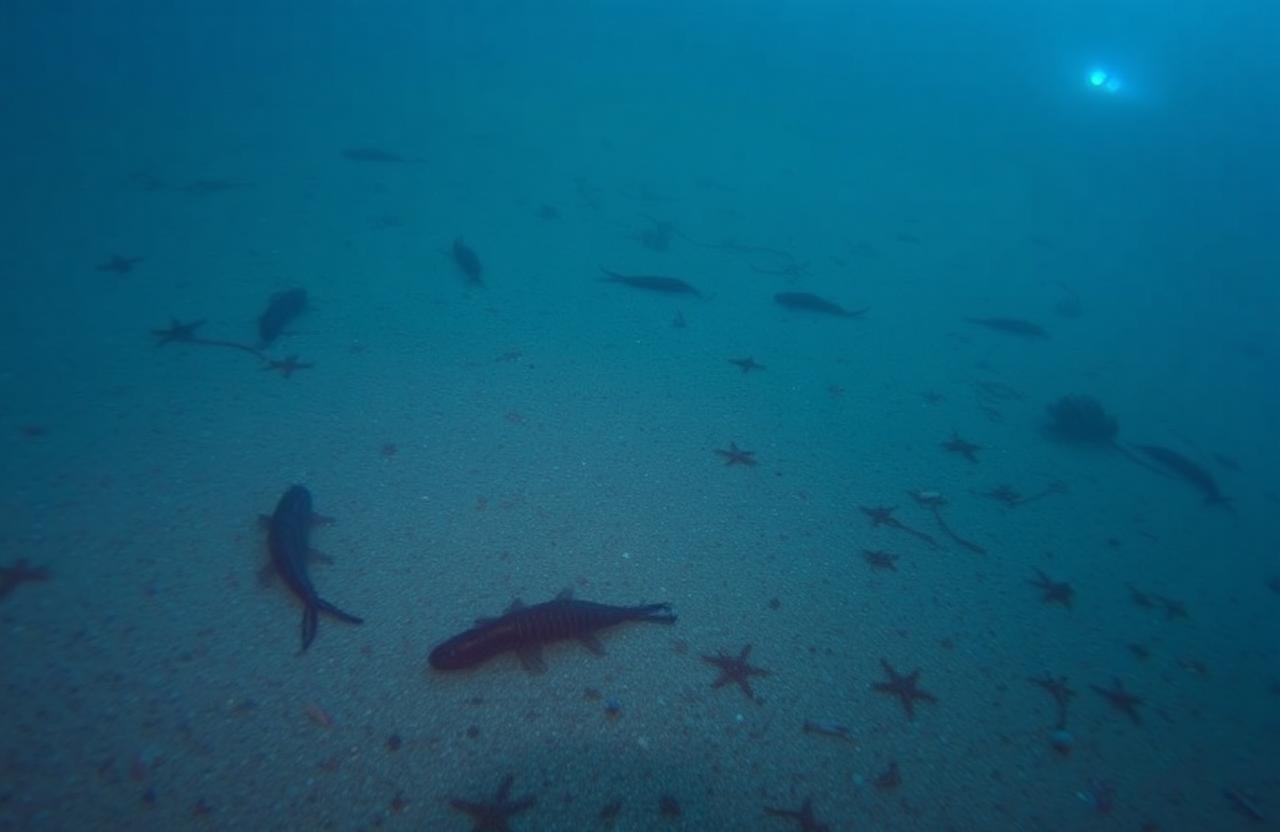
Abyssal plains extend across roughly half of the planet's surface, at depths between three thousand and six thousand meters. On sonar and in low-resolution images they can look uniform and lifeless, a flat carpet of fine sediment stretching to the horizon. Closer inspection reveals a community that is quiet, slow, and often surprisingly diverse.
The dominant animals on many abyssal plains are sea cucumbers, brittle stars, sponges, and a group of enormous single-celled organisms called xenophyophores. Xenophyophores can grow to the size of a fist and construct intricate mineral tests that shelter smaller animals. Sea cucumbers process sediment through their guts, extracting organic material and leaving behind mineral tracks that can be counted from photographs to estimate community activity.
Because food arrives only as marine snow, most abyssal animals are small, slow-growing, and long-lived. Some sea urchins living on abyssal plains are estimated to live for over a century. Population densities are low, but total biodiversity can be surprisingly high, with hundreds of species recorded from a single square kilometer in well-studied regions such as the Clarion-Clipperton Zone in the central Pacific.
The Clarion-Clipperton Zone deserves particular attention because it hosts vast fields of polymetallic nodules, potato-sized concretions rich in nickel, cobalt, copper, and manganese. Several companies have proposed large-scale mining of these nodules to supply metals for batteries and other technologies. The nodules themselves are habitat for sessile animals, including sponges, corals, and stalked crinoids that grow directly on their surfaces. Removing nodules and disturbing sediments would destroy these habitats over areas measured in thousands of square kilometers.
Scientists studying the Clarion-Clipperton Zone have documented hundreds of previously unknown species during recent survey cruises. The full inventory of nodule-associated life is far from complete. This creates a difficult regulatory situation: decisions about mining are being made while the baseline biological knowledge is still being assembled. Several countries and companies have called for a moratorium on commercial-scale deep-sea mining until the science is more mature; others argue that the demand for battery metals justifies moving forward with careful management.
Beyond the mining debate, abyssal plains matter for the global carbon cycle. Sinking organic material that reaches the seafloor and is buried in sediments can be sequestered from the atmosphere for millions of years. The animals that process this material influence how much is buried versus recycled back to the water column. Changes in abyssal biology, whether from mining, warming, or oxygen decline, could feed back into surface climate over long time scales.
Studying the abyssal plain is logistically demanding. Reaching the bottom requires long transits, expensive vehicles, and careful planning. Time-lapse cameras, baited traps, and autonomous vehicles have replaced some of the more disturbing sampling methods of earlier decades. Long-term observatories, in which instruments remain on the seafloor for months at a time, are beginning to reveal seasonal and interannual variability that no snapshot survey could capture.
The abyssal plain is a good test case for humanity's relationship with the deep sea. It is largely out of sight, difficult to reach, and easy to dismiss as empty. But it is also the largest habitat on Earth, home to a slow and unfamiliar biosphere that we are only beginning to understand. Decisions we make in the next decade about how to use this space will shape the ocean for generations.
Abyssal plains cover more of Earth than any other landscape. Their apparent emptiness hides a slow, diverse community that plays a global role in carbon cycling.
Continue reading
 Deep Sea Creatures Popular Science
Life in the Midnight Zone: A Field Guide to the Bathypelagic
How animals survive between 1,000 and 4,000 meters of perpetual darkness
 Deep Sea Creatures Popular Science
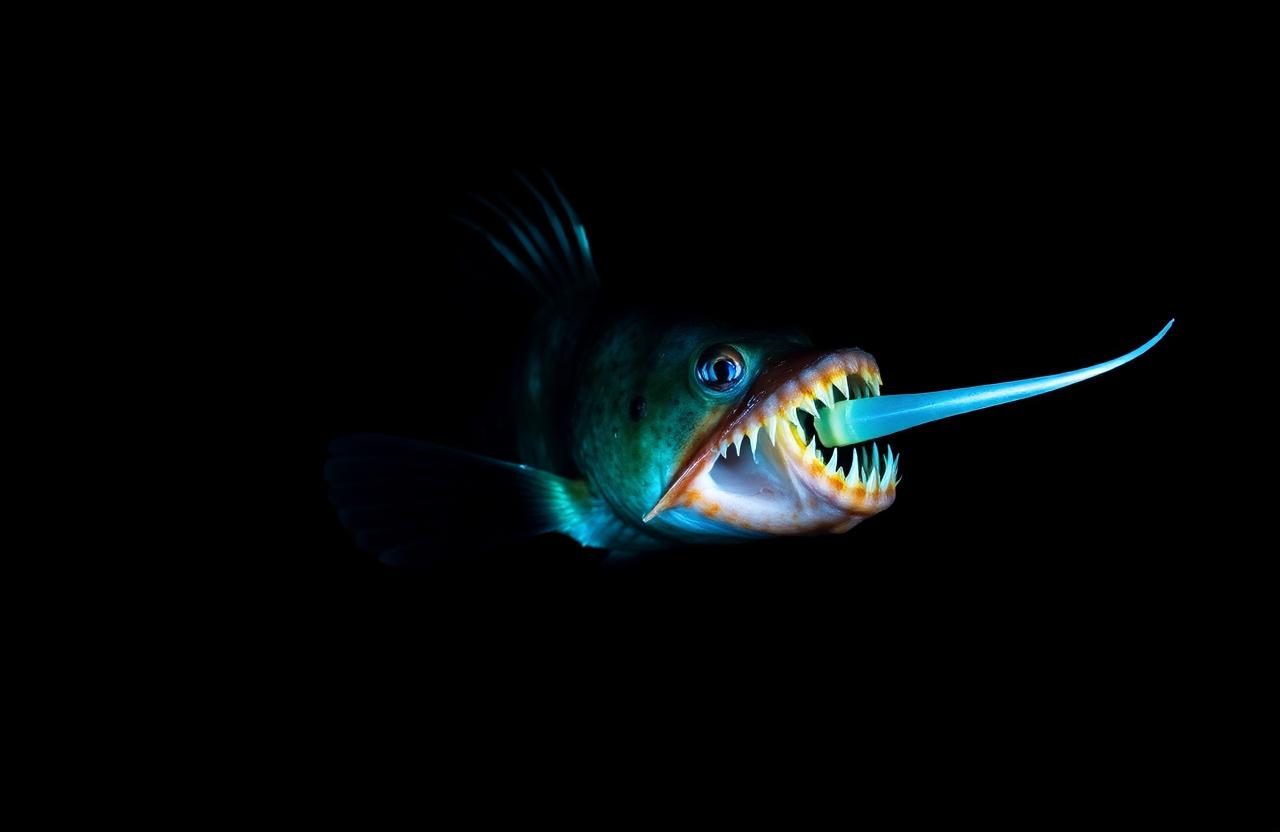
The Anglerfish's Lantern: Anatomy of a Deep-Sea Ambush Predator
How ceratioid anglerfishes evolved bacterial lures, extreme jaws, and parasitic males
 Deep Sea Creatures Popular Science
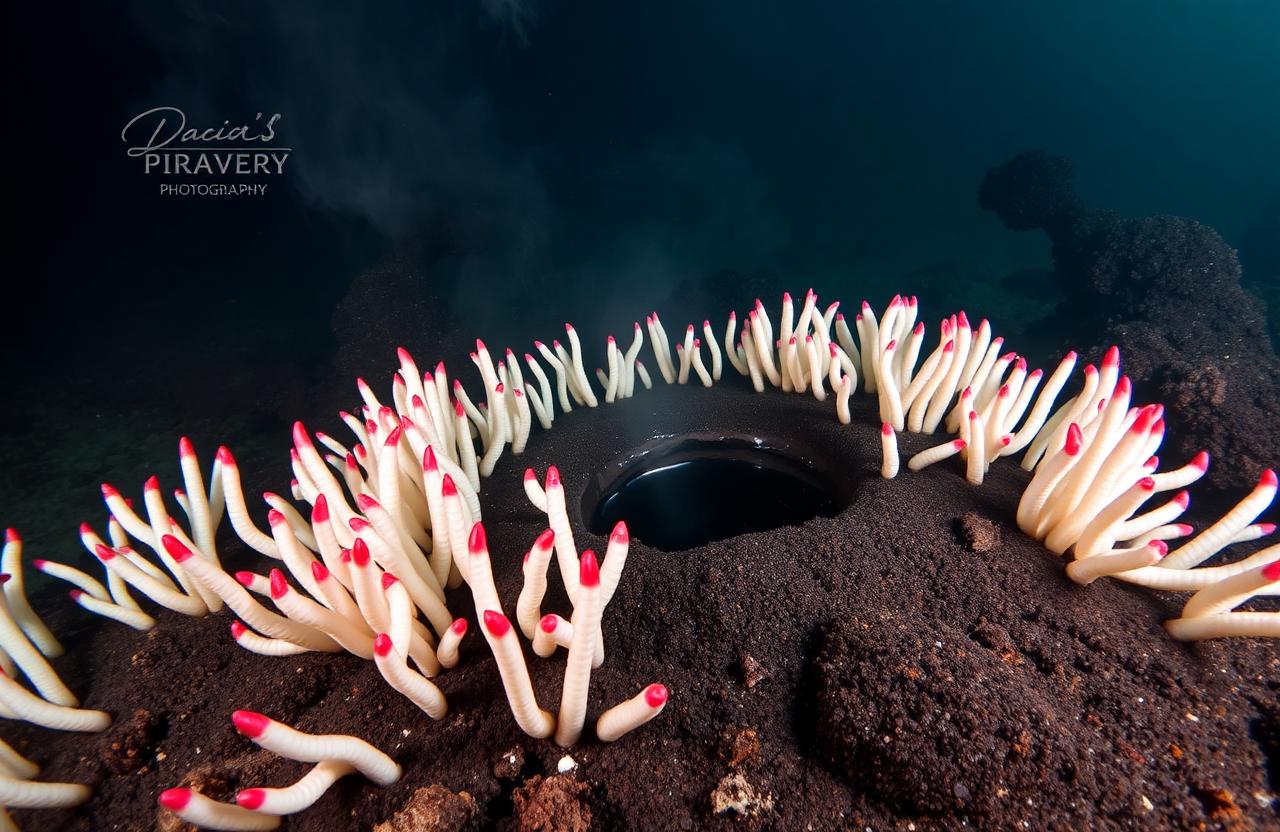
Hydrothermal Vents: Chemosynthesis and the Origins of Life
Superheated fluid, tube worms, and a food web that does not need the sun